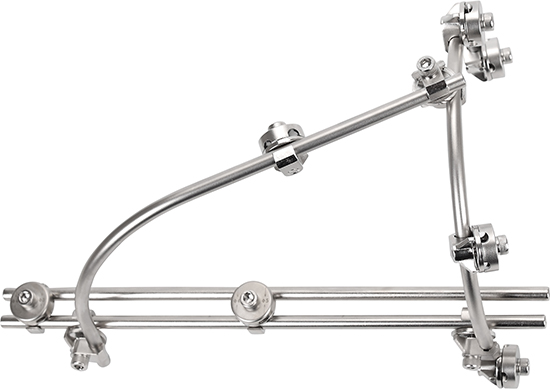
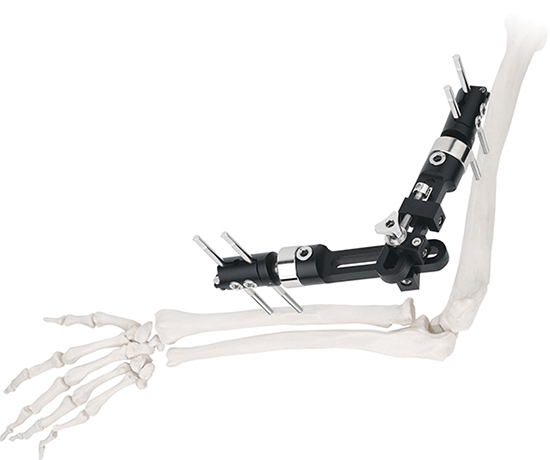
orthopedic fixation system
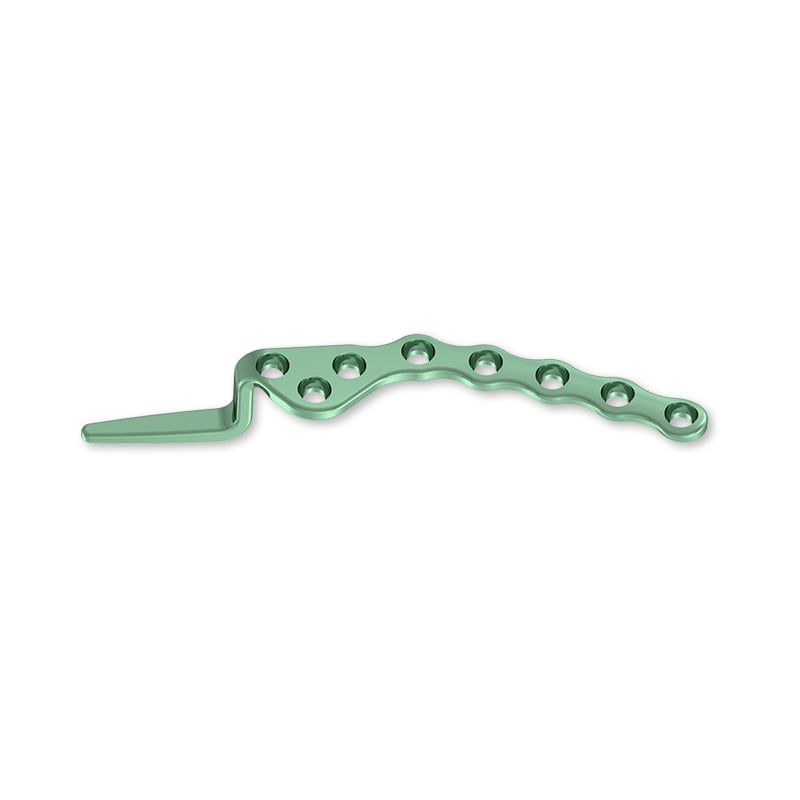
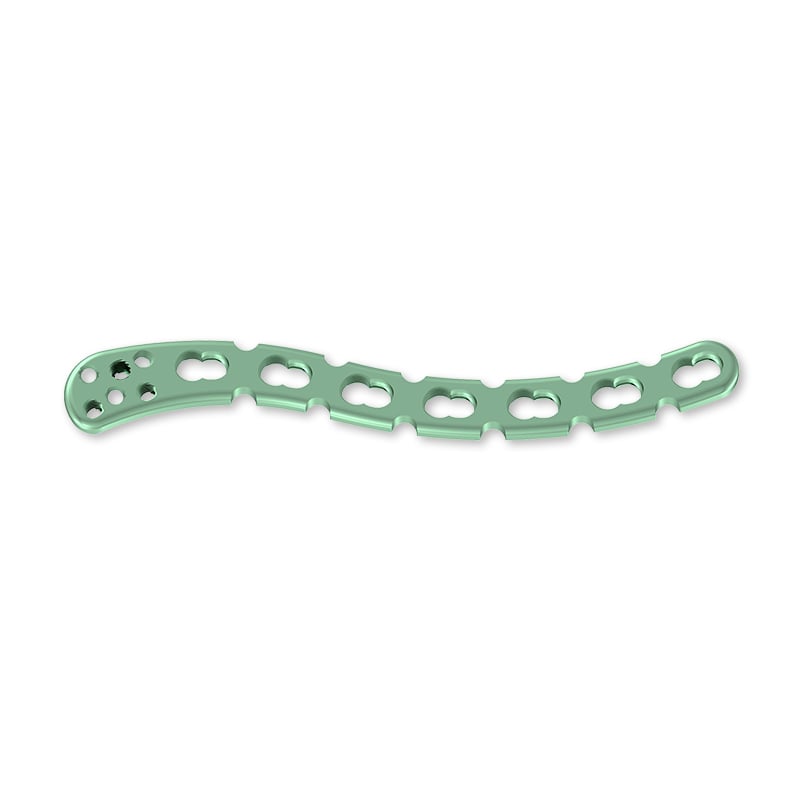
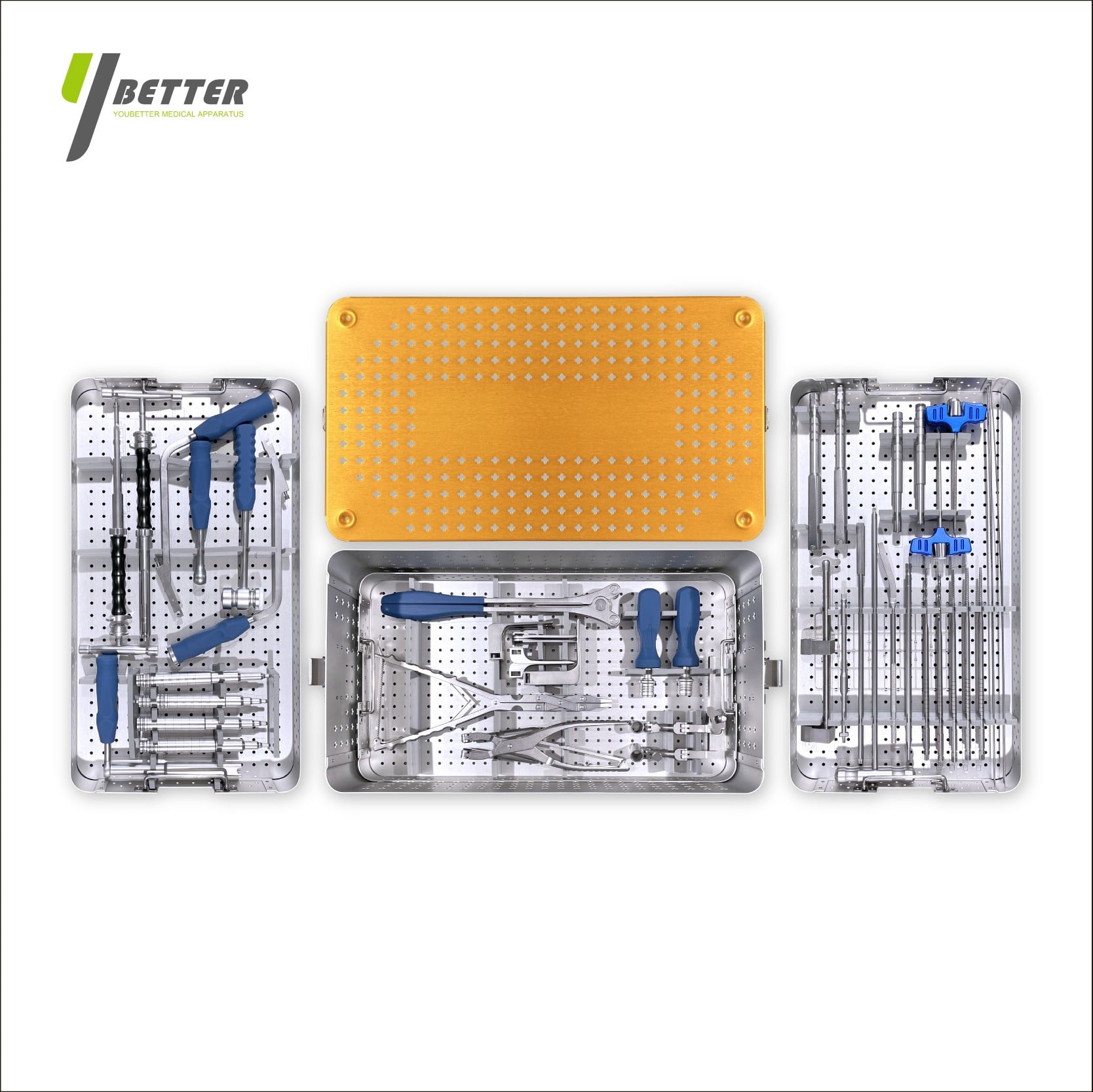
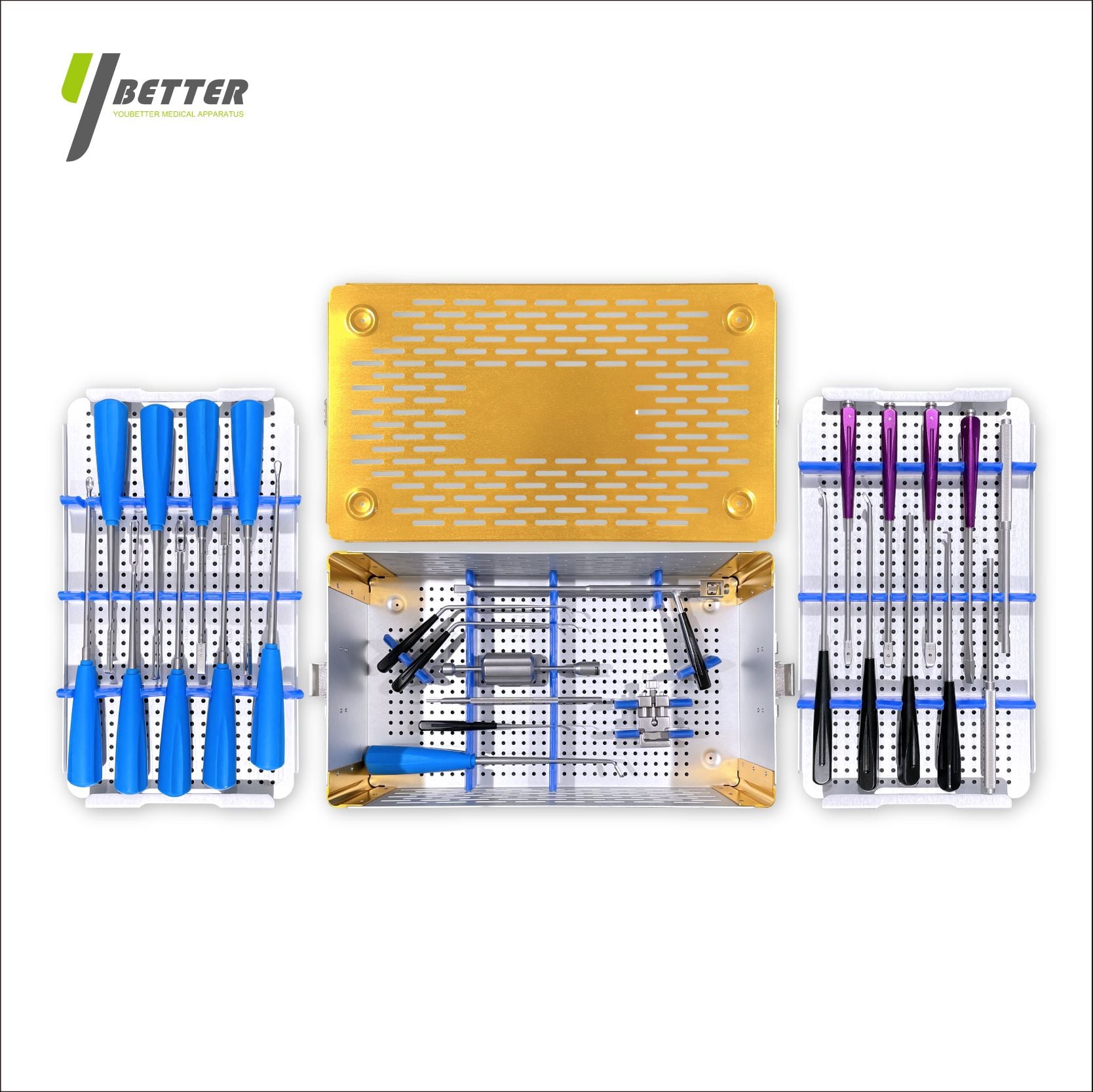
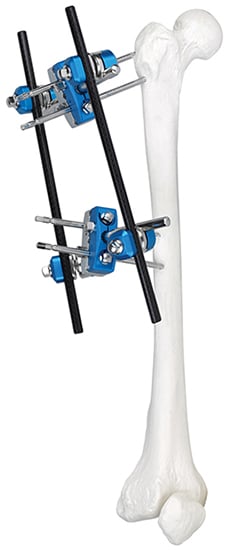
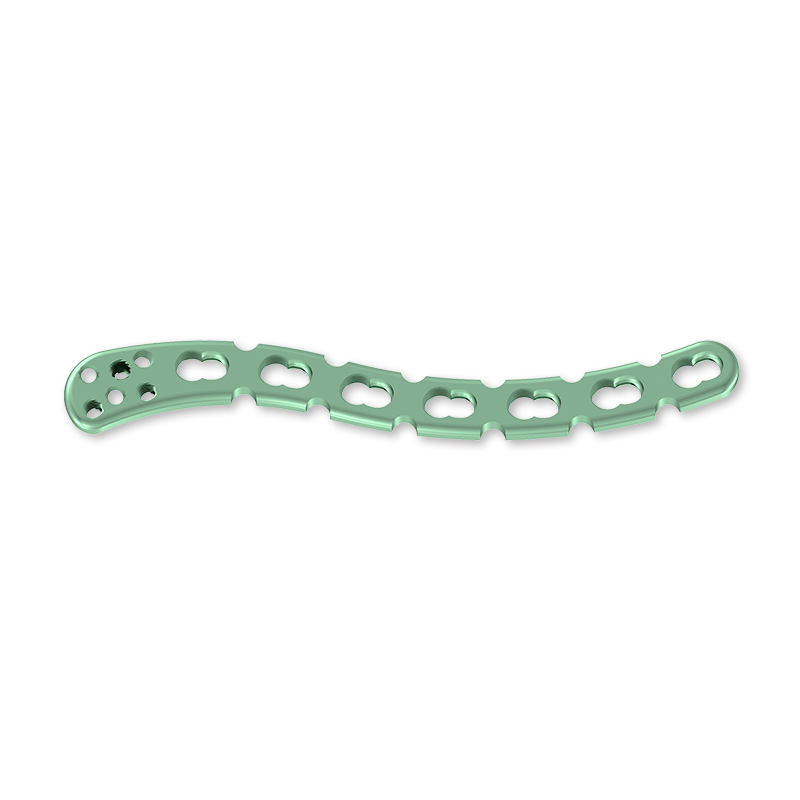
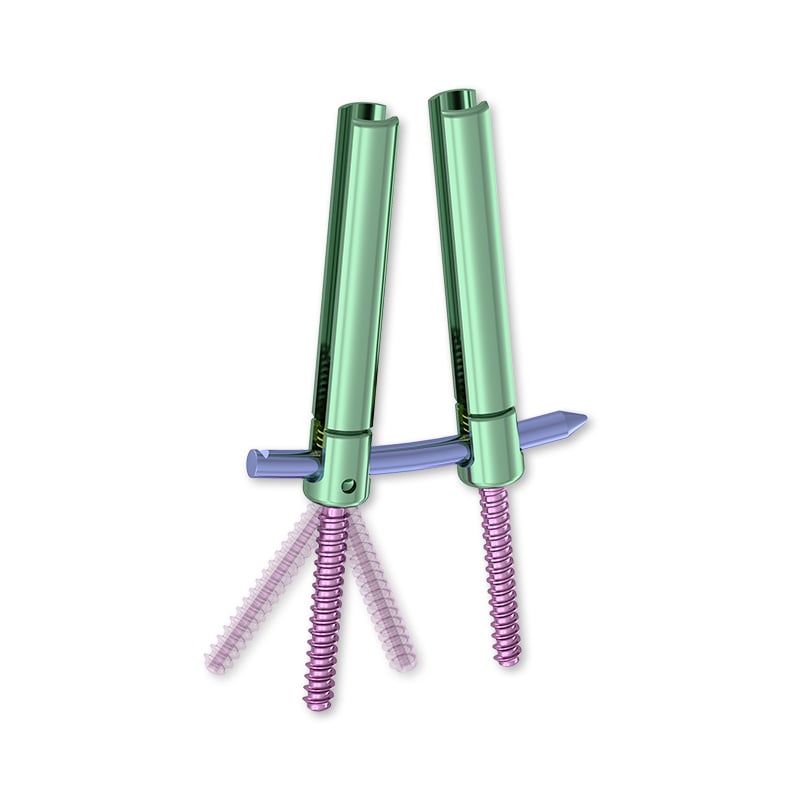
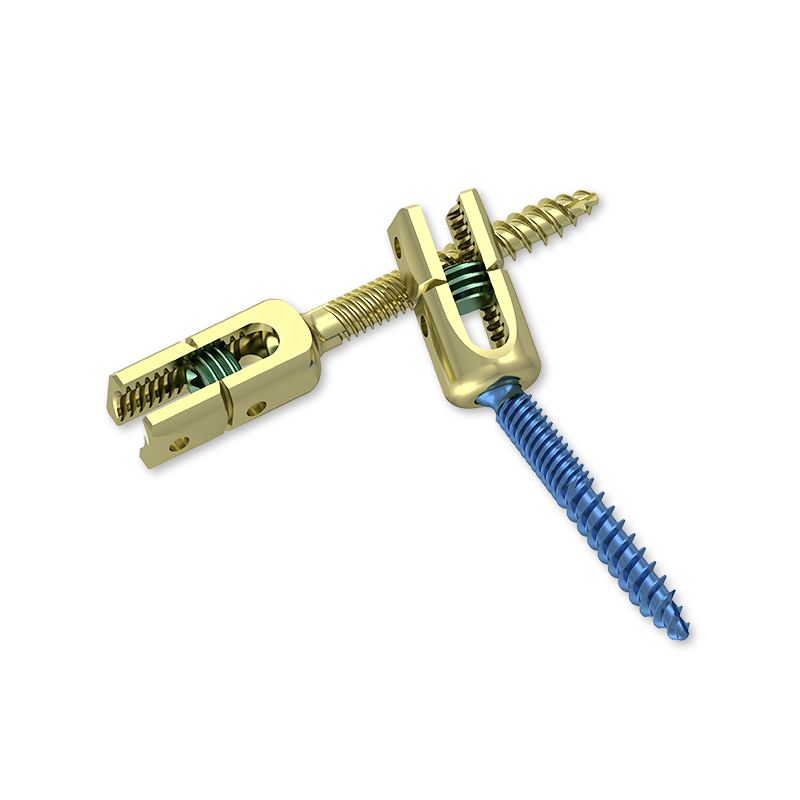
An orthopedic fixation system represents a comprehensive collection of medical devices designed to stabilize and support fractured or damaged bones during the healing process. This sophisticated system includes plates, screws, rods, pins, wires, and specialized instruments that surgeons use to restore skeletal integrity after trauma, degeneration, or surgical correction. The orthopedic fixation system serves as the cornerstone of modern bone surgery, enabling precise anatomical reduction and secure fixation that promotes optimal healing outcomes. These systems are engineered with advanced biomaterials such as titanium alloys and stainless steel, offering exceptional strength-to-weight ratios and biocompatibility. The technological features of an orthopedic fixation system include anatomically contoured implants that match bone geometry, locking mechanisms that prevent screw loosening, and modular components that allow customization for individual patient anatomy. Surgeons utilize this system across diverse applications including fracture fixation in long bones, spinal fusion procedures, joint reconstruction, trauma management, and corrective osteotomies. The orthopedic fixation system supports both internal fixation techniques, where implants remain beneath the skin, and external fixation methods using percutaneous pins connected to external frames. Modern systems incorporate minimally invasive design principles, allowing smaller incisions and reduced soft tissue disruption. The versatility of an orthopedic fixation system extends from pediatric cases requiring growth-friendly constructs to geriatric patients needing osteoporotic bone solutions, making it an indispensable tool in contemporary orthopedic practice.

 EN
EN