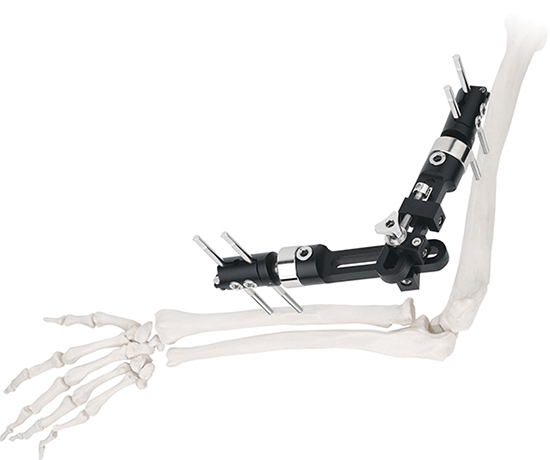
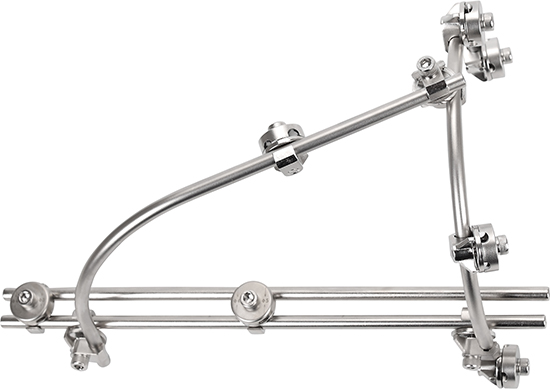
fracture fixation device
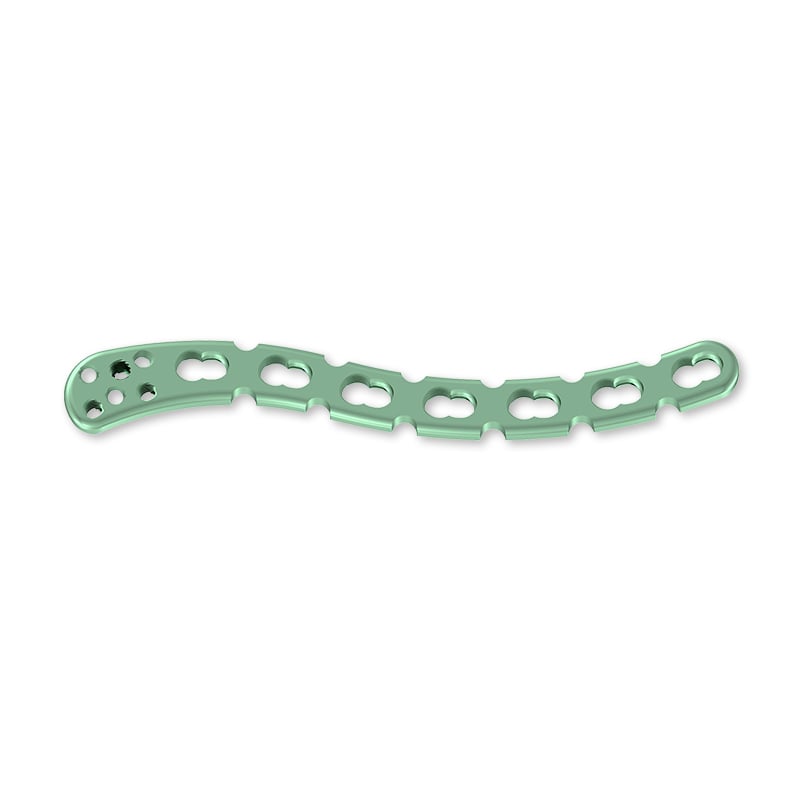
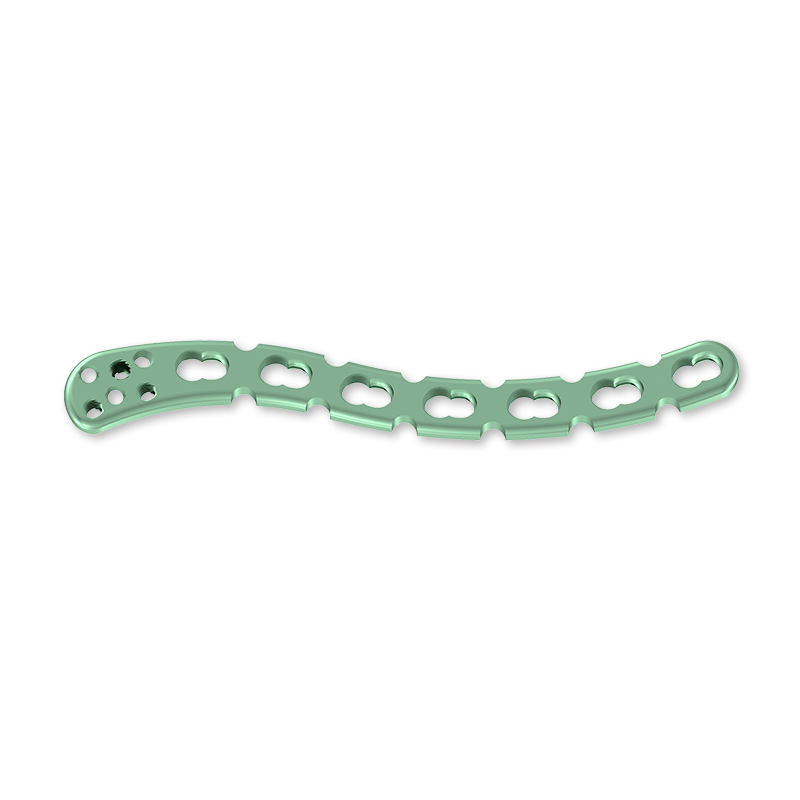
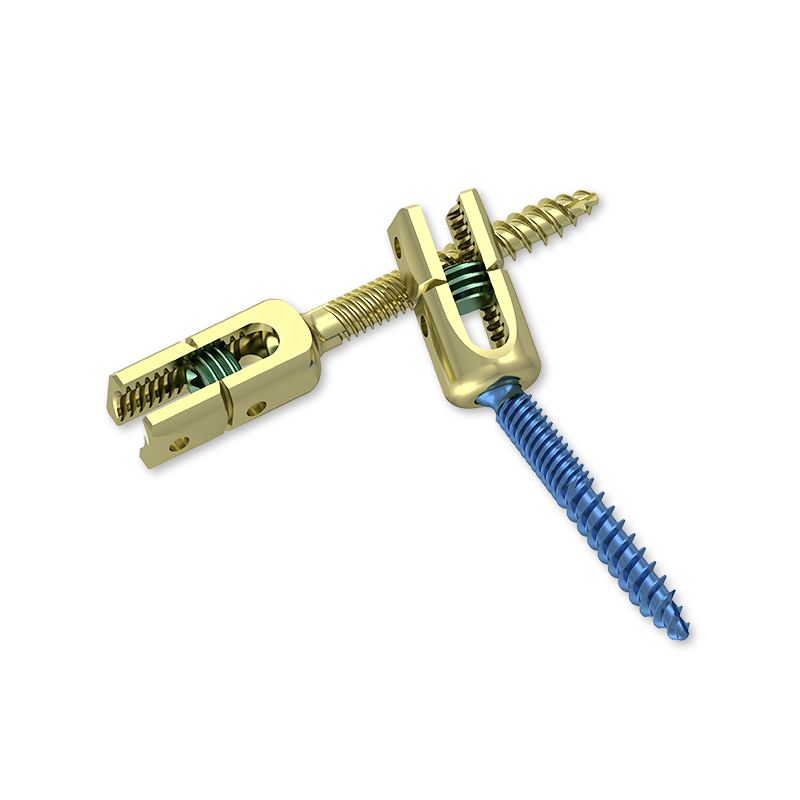
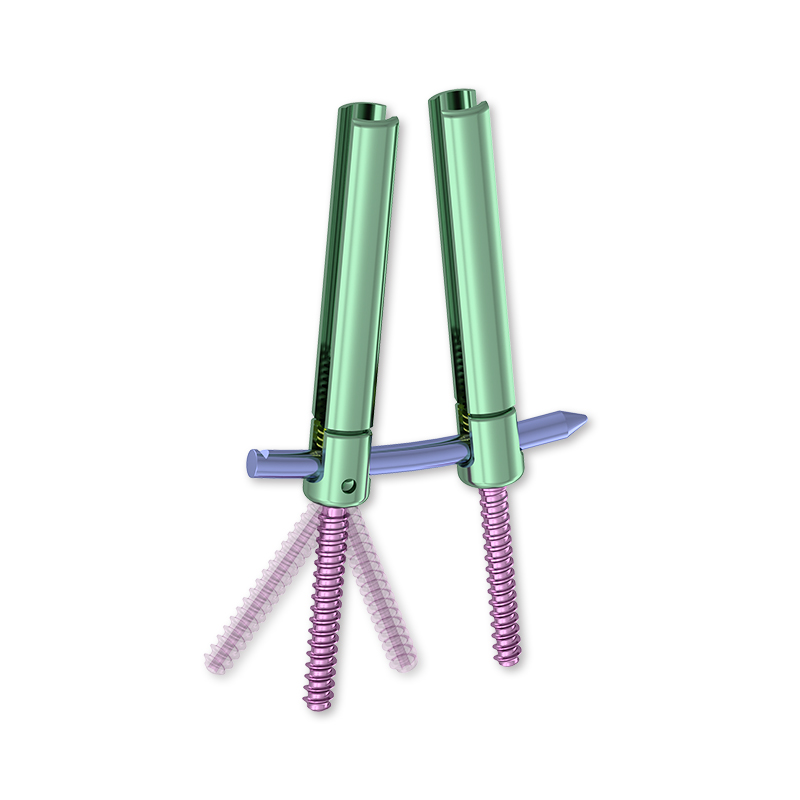
A fracture fixation device is a specialized medical instrument designed to stabilize and support broken bones during the healing process. These devices play a crucial role in orthopedic surgery by holding bone fragments in their correct anatomical position, allowing natural bone regeneration to occur without displacement. Modern fracture fixation devices encompass various types including plates, screws, rods, pins, and external fixators, each engineered to address specific fracture patterns and anatomical locations. The primary function of a fracture fixation device is to provide mechanical stability that enables proper bone union while patients recover mobility and function. Technological features of contemporary fracture fixation devices include biocompatible materials such as titanium alloys and stainless steel that minimize rejection risks and corrosion. Advanced designs incorporate anatomically contoured shapes that match bone geometry, locking mechanisms that enhance stability, and low-profile constructions that reduce soft tissue irritation. Some fracture fixation devices feature compression capabilities that actively promote bone healing by maintaining constant pressure across fracture sites. Applications span diverse medical scenarios from simple fractures to complex trauma cases, including limb fractures, spinal injuries, pelvic disruptions, and joint reconstructions. Healthcare providers utilize fracture fixation devices across emergency departments, operating rooms, and specialized orthopedic centers. The versatility of these devices allows surgeons to customize treatment approaches based on patient age, bone quality, fracture severity, and recovery goals, making the fracture fixation device an indispensable component of modern trauma care and reconstructive surgery.

 EN
EN