trauma fixation implants
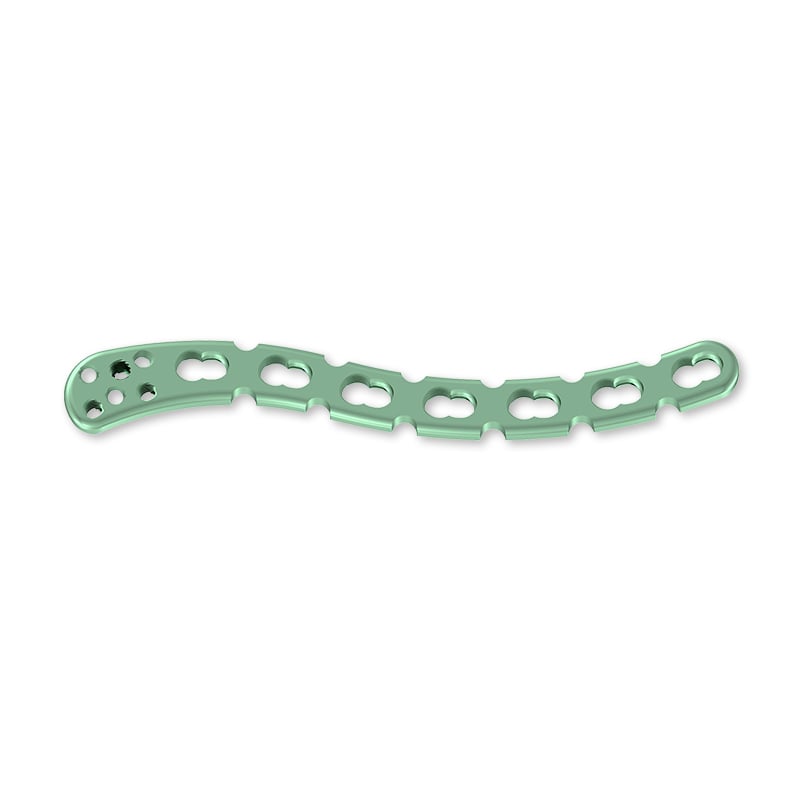
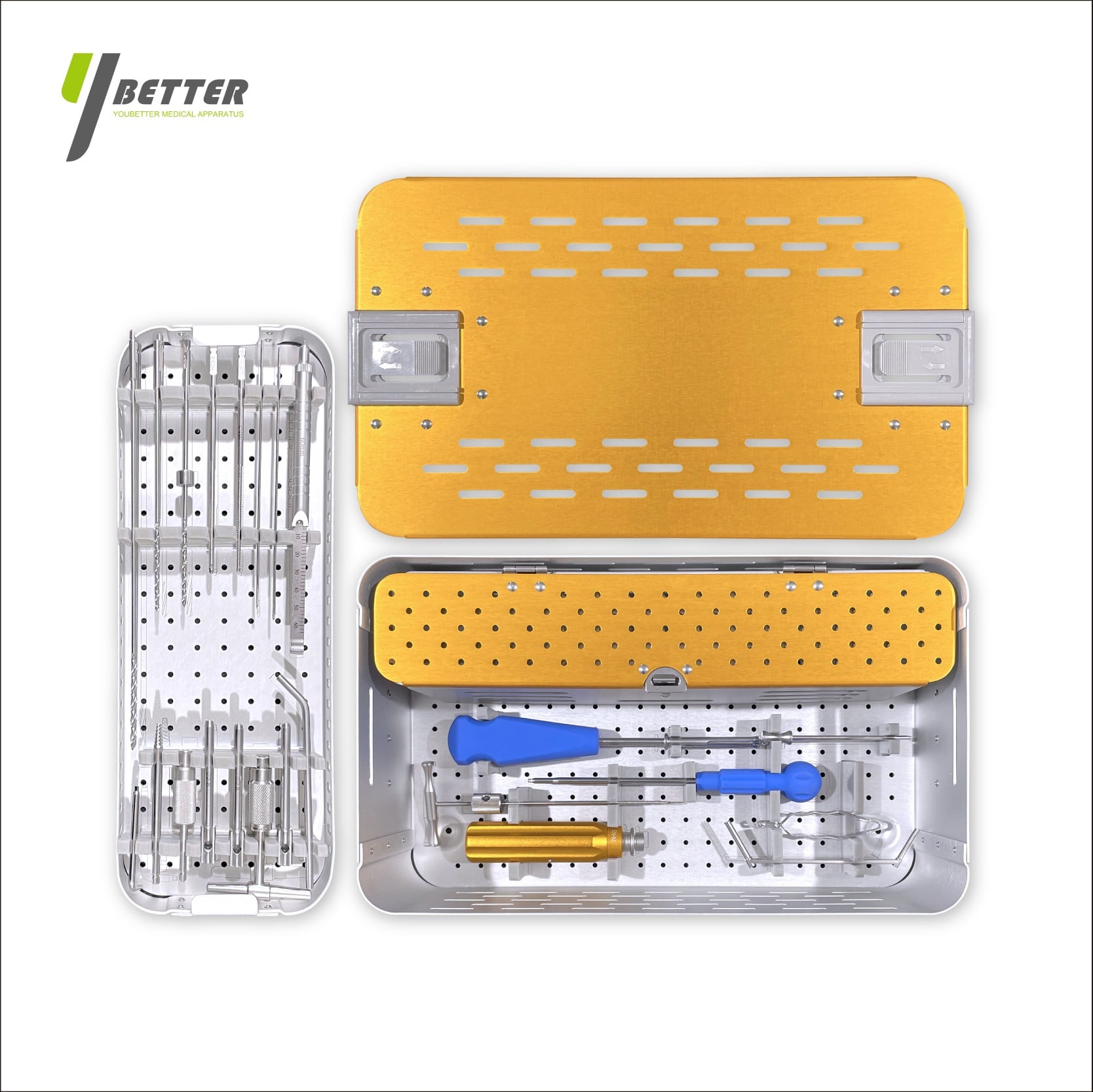
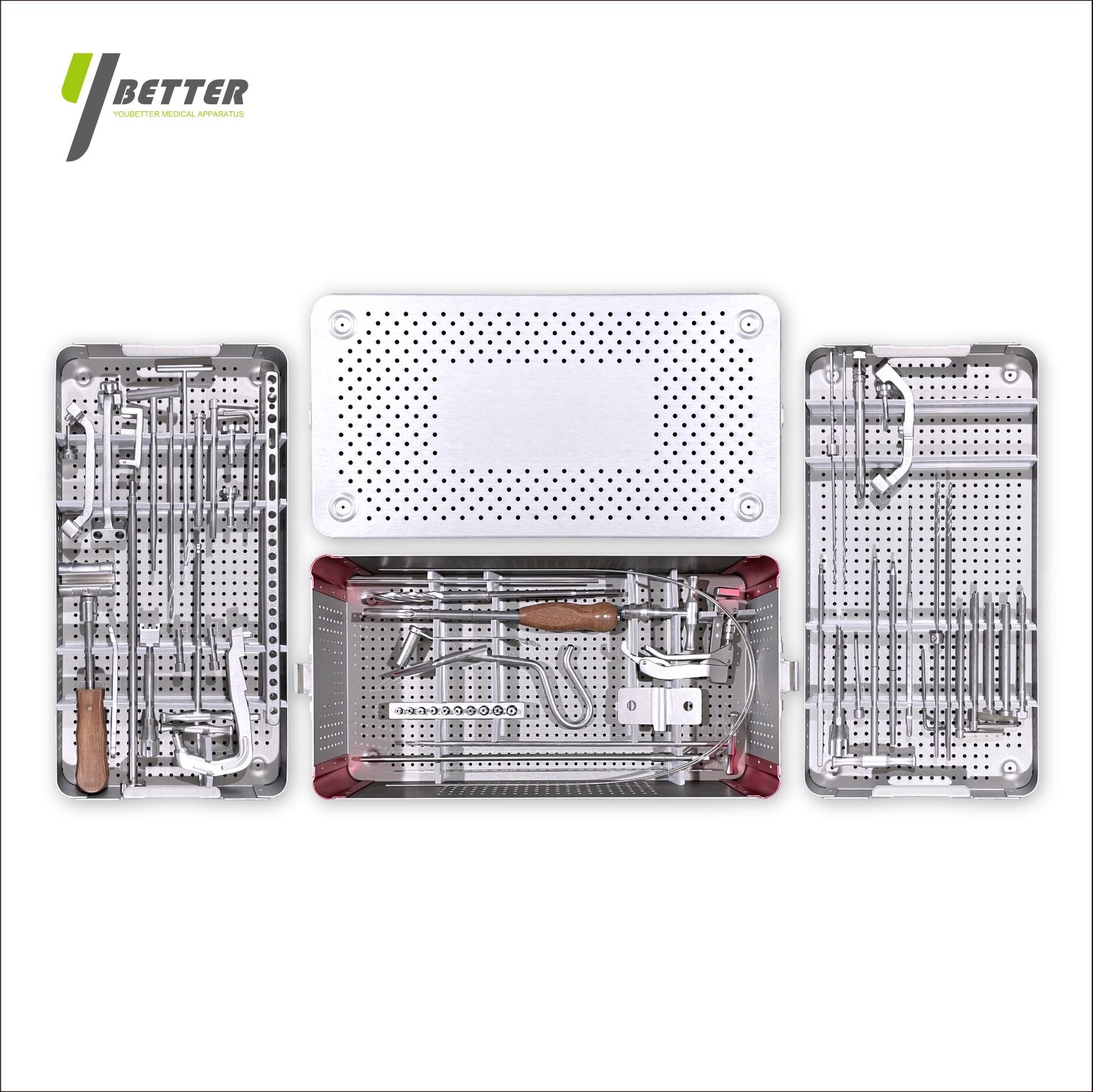
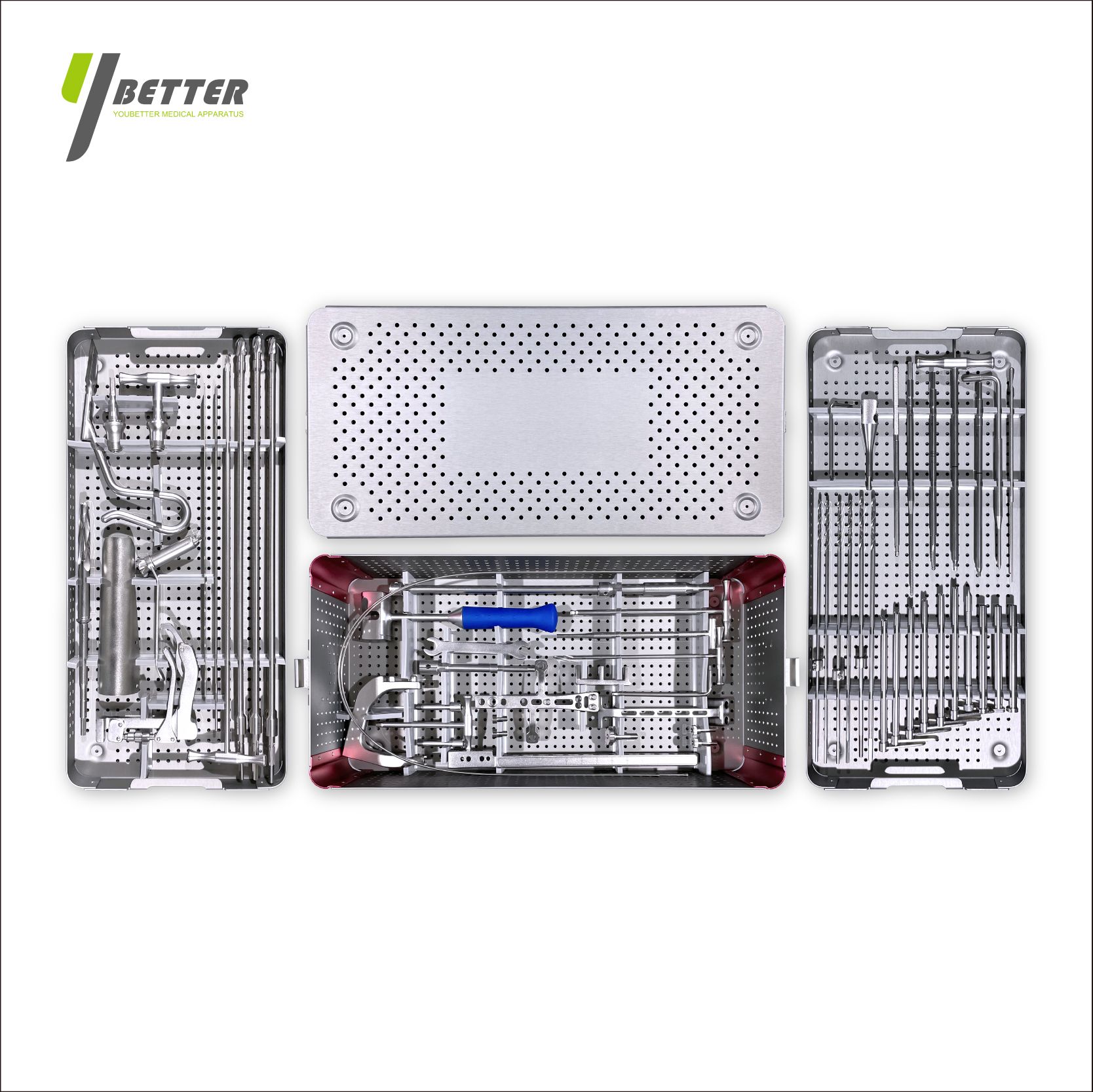
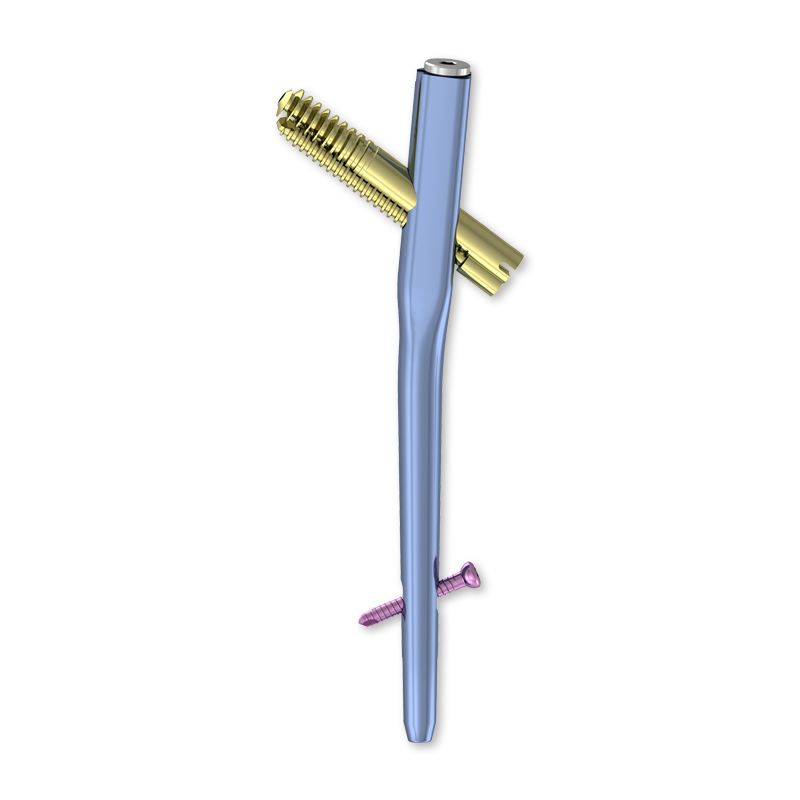
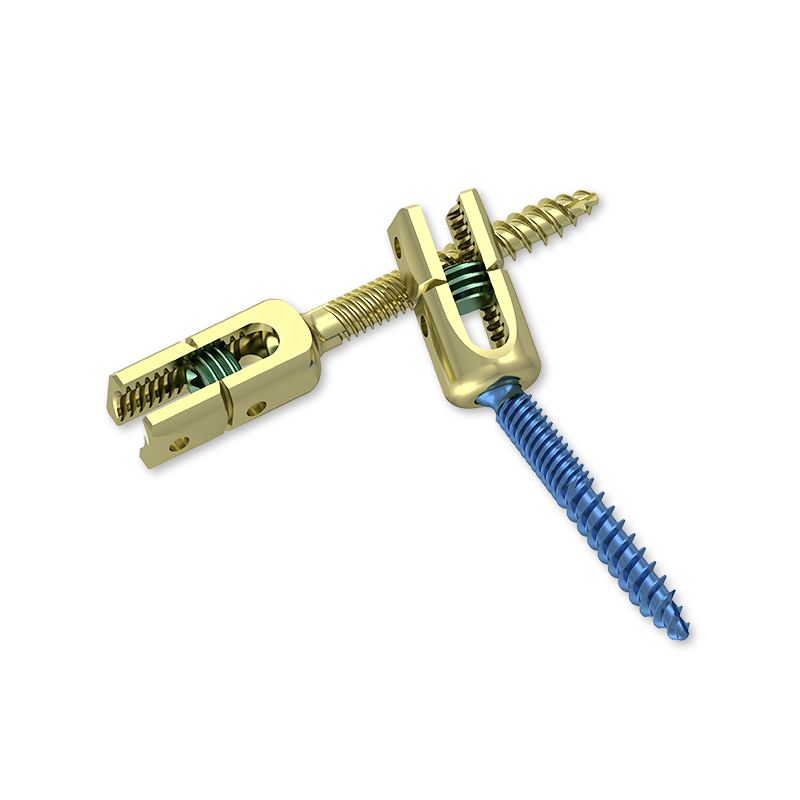
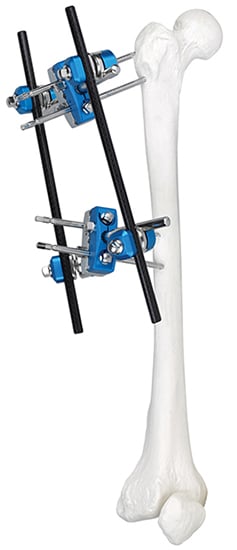
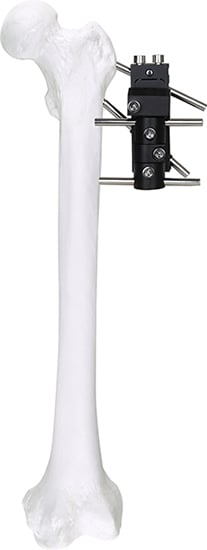
Trauma fixation implants are specialized orthopedic devices designed to stabilize and secure fractured bones during the healing process. These medical implants play a critical role in modern trauma surgery by providing rigid or flexible fixation that enables proper bone alignment and promotes optimal recovery. The main function of trauma fixation implants is to hold broken bone fragments in their correct anatomical position while the natural healing process takes place. These devices come in various forms including plates, screws, rods, pins, and nails, each engineered for specific fracture types and anatomical locations. Technological features of trauma fixation implants include biocompatible materials such as titanium alloys and stainless steel that minimize rejection risks and ensure long-term stability. Advanced manufacturing techniques produce implants with precise dimensions and surface treatments that encourage bone integration. Many modern trauma fixation implants incorporate locking mechanisms that provide angular stability and reduce the risk of implant loosening. Applications span across multiple medical scenarios including simple and complex fractures, bone reconstructions, and corrective orthopedic procedures. Trauma fixation implants are utilized in treating fractures of long bones, pelvic injuries, spinal trauma, and small bone fractures in hands and feet. The versatility of these implants makes them indispensable in emergency trauma care, elective orthopedic surgeries, and pediatric applications where growing bones require special consideration for proper development and healing.

 EN
EN