Precision Cannulated Screw Solutions

All Categories

Get a Free Quote

Our representative will contact you soon.
Email
Name
Company Name
Message
0/1000

precision cannulated screw

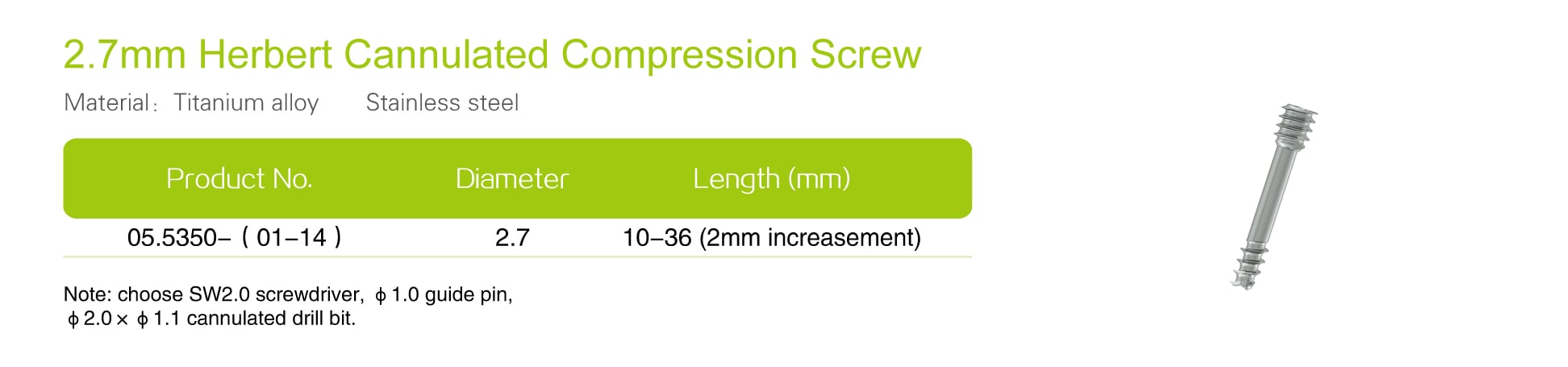
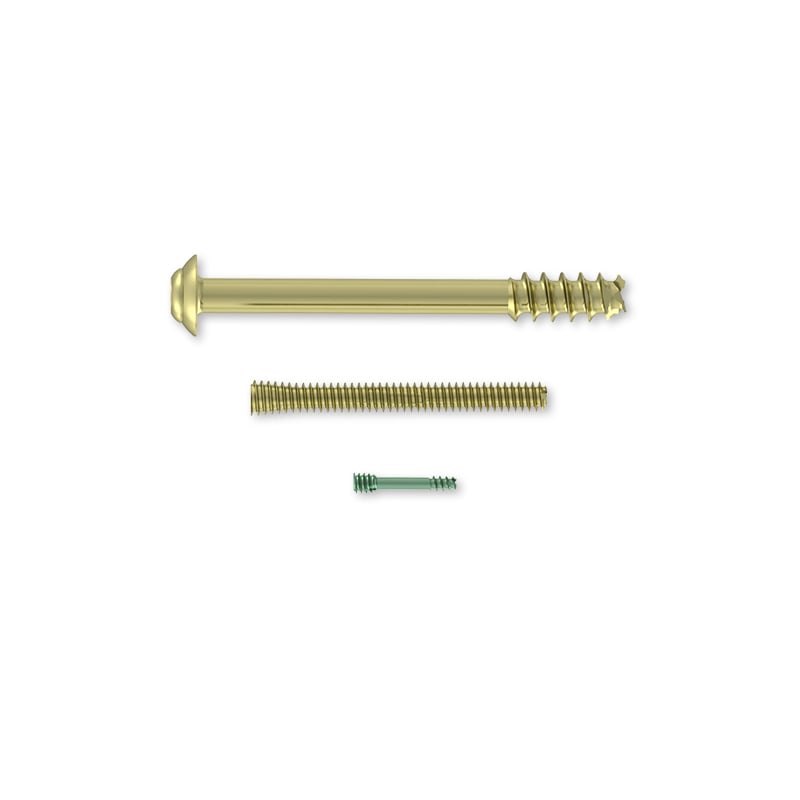
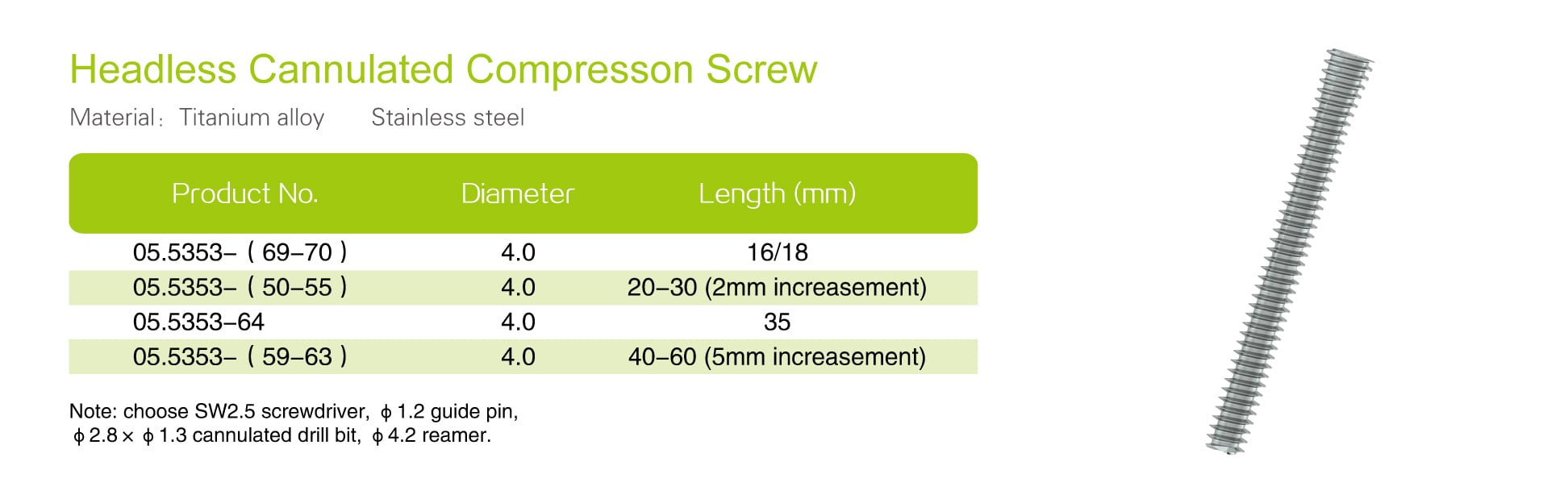
The precision cannulated screw represents a breakthrough in orthopedic fixation technology, designed to provide surgeons with enhanced control and accuracy during bone fracture repair and reconstructive procedures. This specialized medical device features a hollow central channel running through its entire length, allowing for guidewire insertion and precise placement under fluoroscopic guidance. The precision cannulated screw is manufactured using high-grade medical titanium alloy or stainless steel, ensuring biocompatibility and optimal mechanical strength for long-term implantation. Its primary function involves stabilizing bone fragments, facilitating proper healing alignment, and providing compression at fracture sites. The cannulated design distinguishes this implant from traditional solid screws by enabling minimally invasive surgical techniques that reduce tissue trauma and accelerate patient recovery. Technological features include self-tapping threads for efficient bone purchase, a variety of diameter and length options to accommodate different anatomical requirements, and precision-machined surfaces that minimize insertion torque while maximizing fixation stability. Applications span multiple orthopedic specialties including trauma surgery for femoral neck fractures, hip preservation procedures, foot and ankle reconstruction, hand surgery, and sports medicine interventions. The precision cannulated screw is particularly valuable in small bone fixation where accuracy is paramount and in revision surgeries where anatomical landmarks may be compromised. Its versatility extends to both emergency trauma cases and elective reconstructive procedures, making it an essential component in modern orthopedic surgical practice.

New Product Recommendations

Choosing the precision cannulated screw delivers measurable benefits that directly impact surgical outcomes and patient satisfaction. The hollow core design allows surgeons to place guidewires first, confirming optimal trajectory before committing to screw insertion, which significantly reduces placement errors and the need for repositioning. This approach translates to shorter operating times, decreased radiation exposure for both patients and surgical teams, and more predictable results even in anatomically challenging cases. The precision engineering ensures consistent thread engagement with bone tissue, providing reliable compression and stability that promotes faster healing and earlier weight-bearing capabilities for patients. From an operational perspective, the precision cannulated screw simplifies inventory management because a single system accommodates various surgical approaches and anatomical locations, reducing the complexity of surgical tray preparation and associated costs. Hospitals benefit from improved surgical efficiency as procedures become more streamlined, potentially allowing more cases per operating room day while maintaining high quality standards. For patients, the minimally invasive placement technique results in smaller incisions, reduced postoperative pain, lower infection risks, and quicker return to daily activities compared to traditional open fixation methods. The precision cannulated screw proves particularly suitable for elderly patients with osteoporotic bone, where accurate placement is critical for achieving adequate fixation, and for active individuals requiring stable repair that withstands early mobilization demands. Decision-makers evaluating fixation options will appreciate that this technology represents proven methodology supported by extensive clinical evidence, offering reliability that builds surgeon confidence and contributes to better patient outcomes across diverse orthopedic applications.

Practical Tips

How Do Orthopedic Implants Enhance Fracture Healing and Recovery?

02

Jun

How Do Orthopedic Implants Enhance Fracture Healing and Recovery?

When a bone fractures, the body initiates a complex biological cascade aimed at restoring structural integrity and function. However, in many cases, this natural process requires mechanical support to succeed. This is precisely where orthopedic impla...
View More
How Does Spinal Screw Improve Outcomes in Scoliosis Correction Surgery?

06

Jul

How Does Spinal Screw Improve Outcomes in Scoliosis Correction Surgery?

Scoliosis correction surgery is one of the most technically demanding procedures in spinal care, requiring precise instrumentation to restore alignment and maintain long-term stability. At the center of modern surgical technique, the spinal screw has...
View More
How to Optimize Pedicle Screw Placement for Better Surgical Outcomes?

06

Jul

How to Optimize Pedicle Screw Placement for Better Surgical Outcomes?

Achieving precise pedicle screw placement is one of the most critical skills in modern spinal surgery. When pedicle screw placement is performed accurately, it creates a stable fixation point that supports spinal fusion, corrects deformity, and reduc...
View More
How Can Distributors Assess Pedicle Screw Supplier Reliability?

06

Jul

How Can Distributors Assess Pedicle Screw Supplier Reliability?

Choosing the right pedicle screw supplier is one of the most consequential decisions a medical device distributor can make. A pedicle screw supplier directly affects patient safety, regulatory standing, and the commercial reputation of every distribu...
View More

Get a Free Quote

Our representative will contact you soon.
Email
Name
Company Name
Message
0/1000

precision cannulated screw

Guidewire-Assisted Precision Placement Technology

Guidewire-Assisted Precision Placement Technology

The defining feature of the precision cannulated screw is its hollow core architecture that accommodates guidewire placement throughout the insertion process. This innovative design allows surgeons to establish the ideal screw trajectory using a thin guidewire under fluoroscopic visualization before introducing the larger implant. The guidewire acts as a pilot, enabling real-time adjustments and confirmation of proper positioning relative to critical anatomical structures such as joint surfaces, neurovascular bundles, and optimal bone corridors. This technology proves invaluable in complex anatomical regions where millimeter-level accuracy determines success or failure. The precision cannulated screw system typically includes calibrated depth gauges that measure along the guidewire, providing exact information for screw length selection and preventing inadvertent penetration of far cortices or joint spaces. This methodical approach reduces operative complications, minimizes the need for intraoperative repositioning, and shortens procedure duration. Surgeons gain confidence knowing that the final screw position precisely matches their preoperative plan, leading to more consistent outcomes across patient populations and injury patterns.
Minimally Invasive Surgical Compatibility

Minimally Invasive Surgical Compatibility

The precision cannulated screw excels in minimally invasive surgical techniques that represent the modern standard of care in orthopedic surgery. Traditional solid screws often require extensive soft tissue dissection and direct visualization for accurate placement, resulting in significant surgical trauma. In contrast, the precision cannulated screw enables percutaneous insertion through small incisions, sometimes less than one centimeter in length, by utilizing the guidewire for trajectory control. This approach preserves surrounding muscles, ligaments, and blood supply that are critical for healing and functional recovery. Patients experience substantially less postoperative pain, reduced scarring, shorter hospital stays, and faster rehabilitation compared to open surgical methods. The precision cannulated screw is particularly advantageous in anatomical locations where soft tissue coverage is minimal or where cosmetic outcomes matter significantly, such as foot and ankle procedures or distal radius fixations. Healthcare facilities benefit from reduced perioperative resource utilization, lower infection rates, and improved patient satisfaction scores. The compatibility with fluoroscopic guidance allows surgeons to perform these minimally invasive procedures safely even in challenging cases, expanding the range of patients who can benefit from advanced fixation technology without enduring extensive surgical exposure.
Versatile Clinical Application Across Specialties

Versatile Clinical Application Across Specialties

The precision cannulated screw demonstrates remarkable versatility, serving as a fundamental fixation solution across multiple orthopedic subspecialties and diverse clinical scenarios. In trauma surgery, it provides reliable fixation for femoral neck fractures, scaphoid fractures, and malleolar fractures where accurate placement directly correlates with union rates and functional outcomes. Sports medicine specialists utilize the precision cannulated screw for ligament reconstruction procedures, osteochondral defect repair, and fracture fixation in athletic populations requiring robust healing and early return to activity. Foot and ankle surgeons depend on this technology for hindfoot arthrodesis, first metatarsal osteotomies, and Lisfranc injury stabilization where precision prevents complications and malunion. Pediatric orthopedists apply the precision cannulated screw for physeal-sparing fixation techniques and fracture management in growing patients. The availability of various diameters, lengths, thread configurations, and head designs ensures that surgeons can select the optimal specification for each unique clinical situation. This versatility reduces the need for multiple competing systems, streamlines surgical education for residents and fellows, and creates institutional standardization that improves efficiency and reduces costs. The precision cannulated screw truly represents a universal fixation platform that addresses the full spectrum of bone stabilization requirements encountered in contemporary orthopedic practice.

Get a Free Quote

Our representative will contact you soon.
Email
Name
Company Name
Message
0/1000
Newsletter
Please Leave A Message With Us