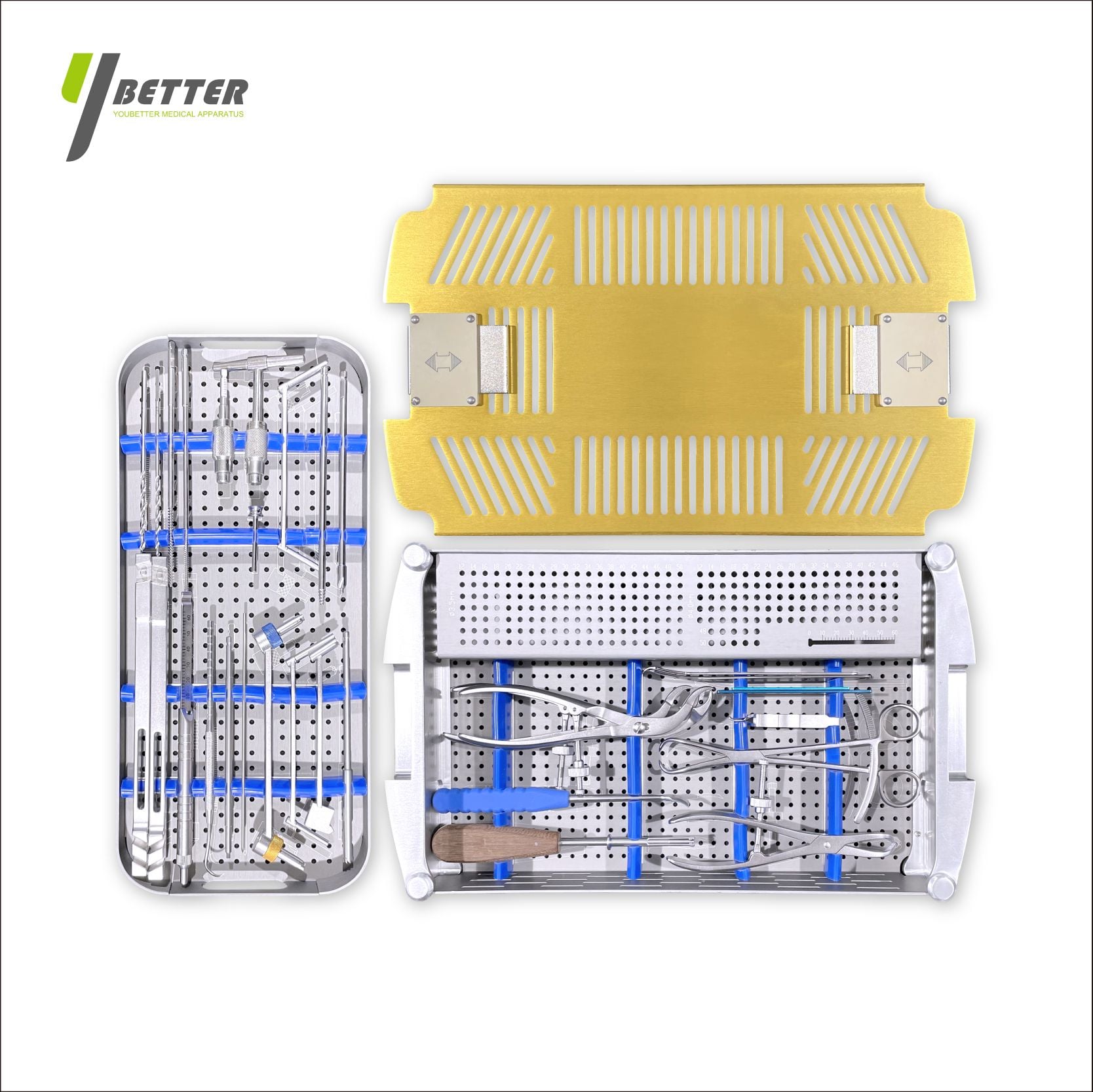
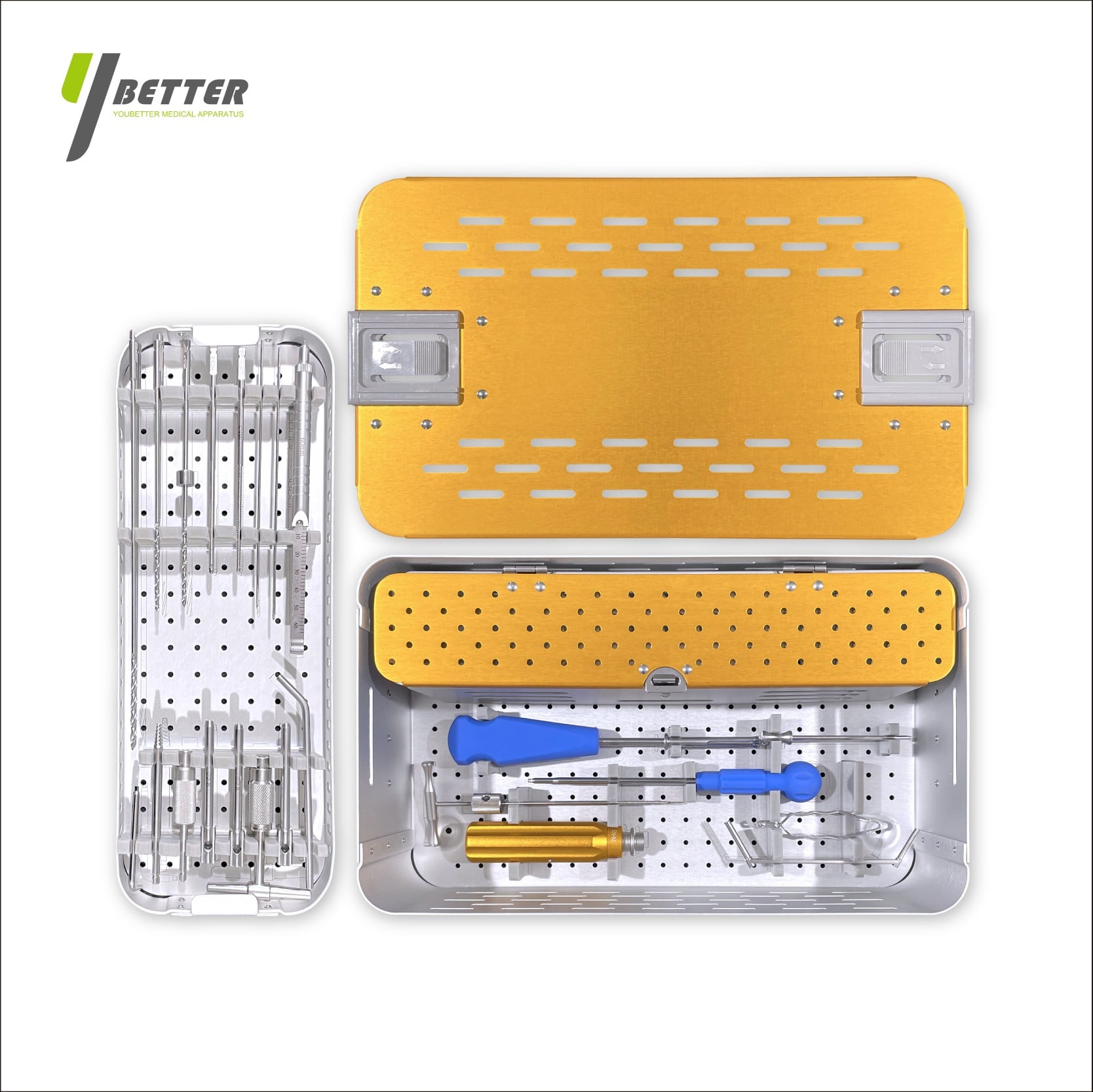
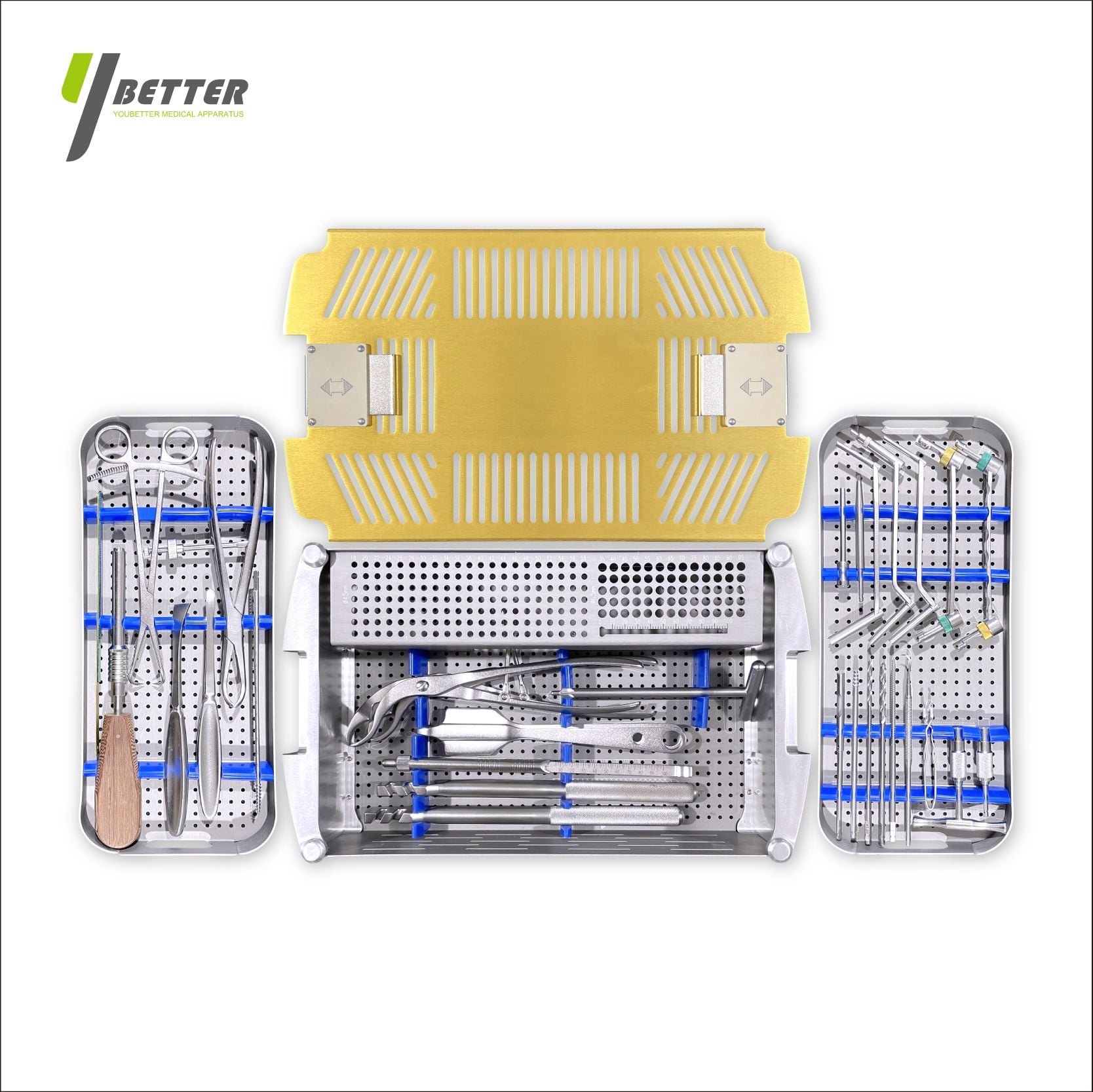
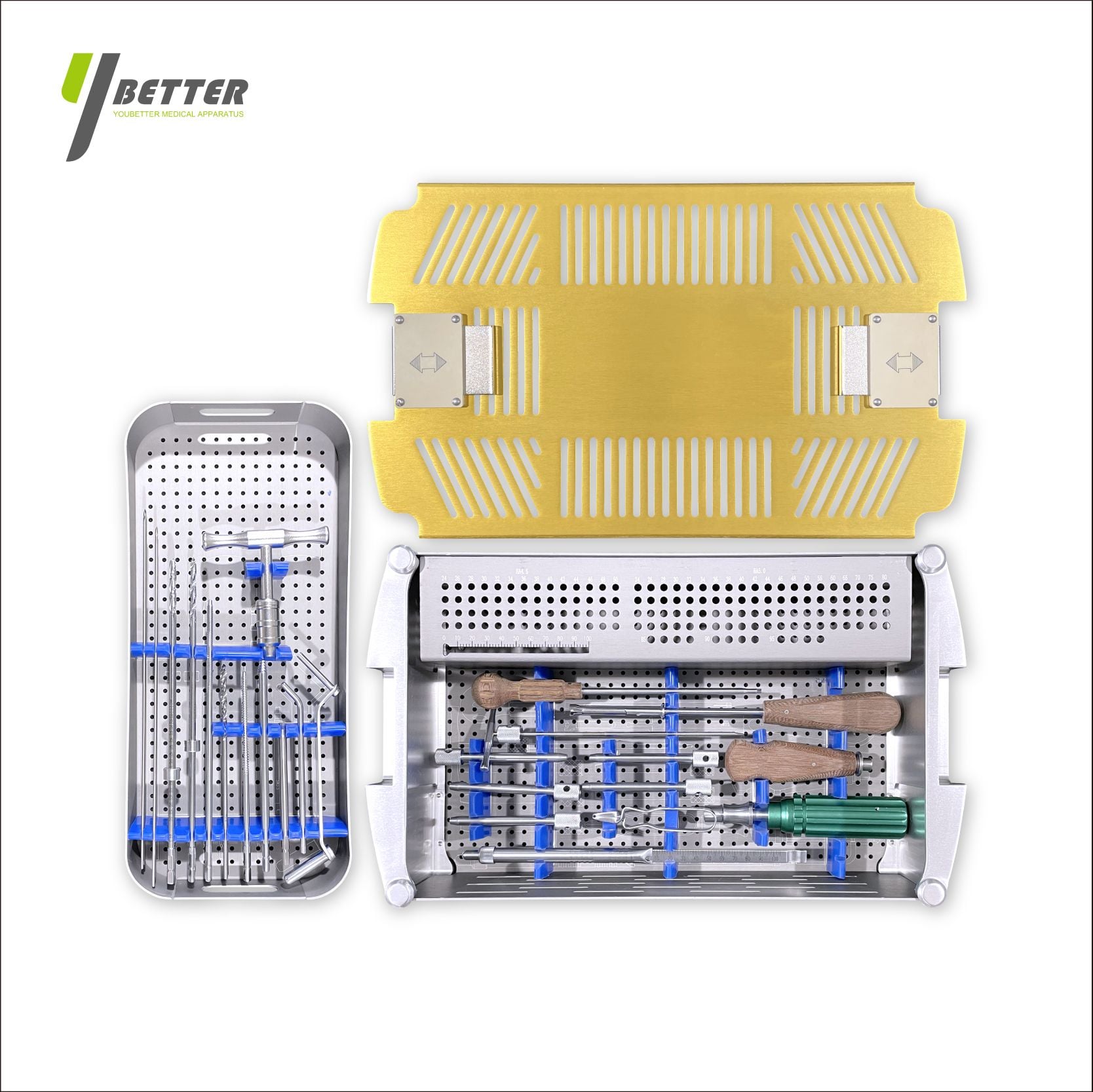
Cannulated Spinal Screw Solutions for Surgery

All Categories

Get a Free Quote

Our representative will contact you soon.
Email
Name
Company Name
Message
0/1000

cannulated spinal screw

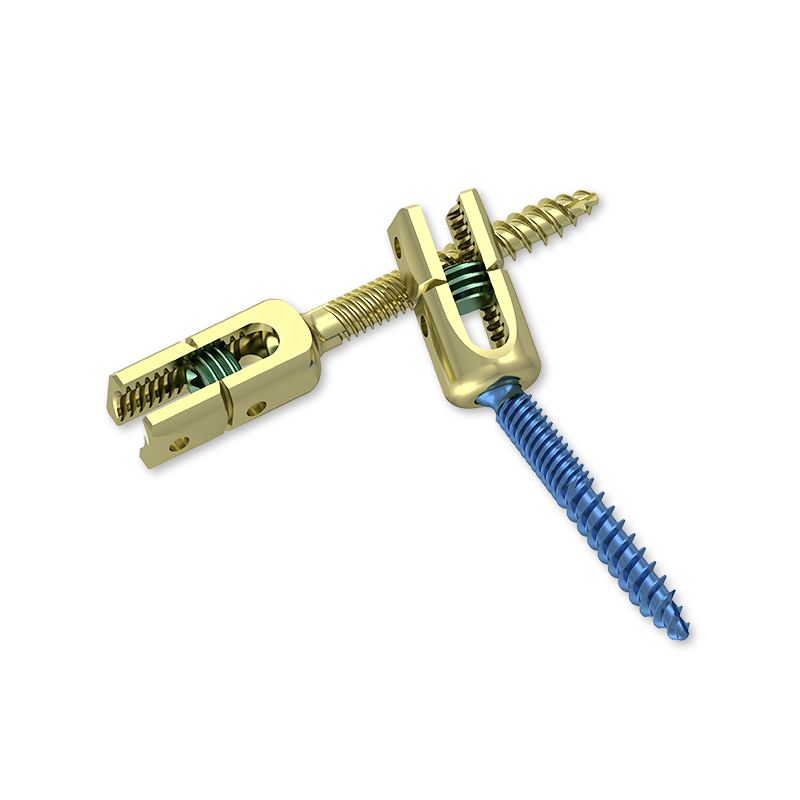
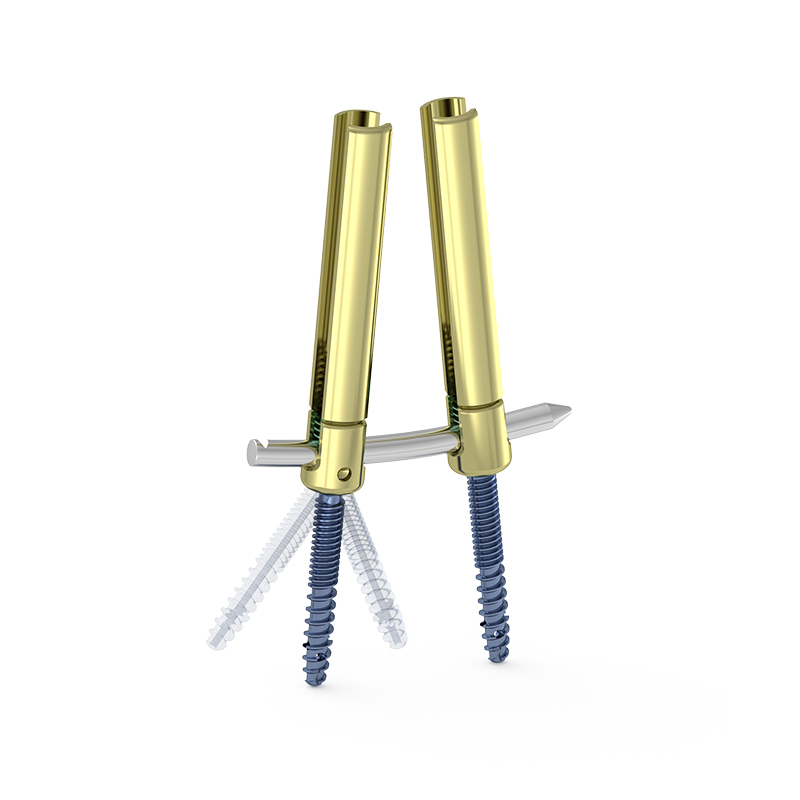
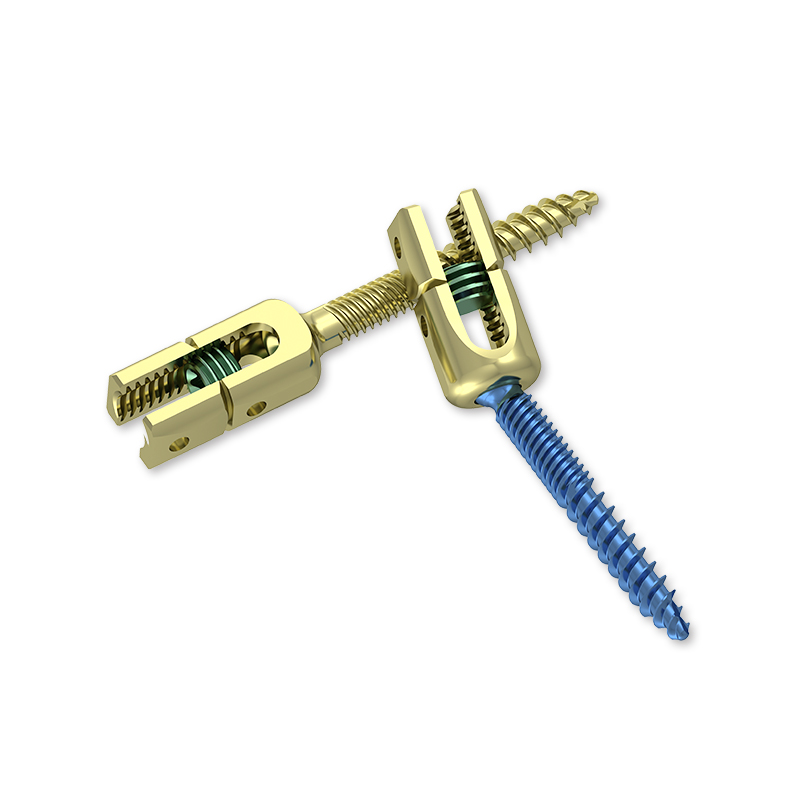
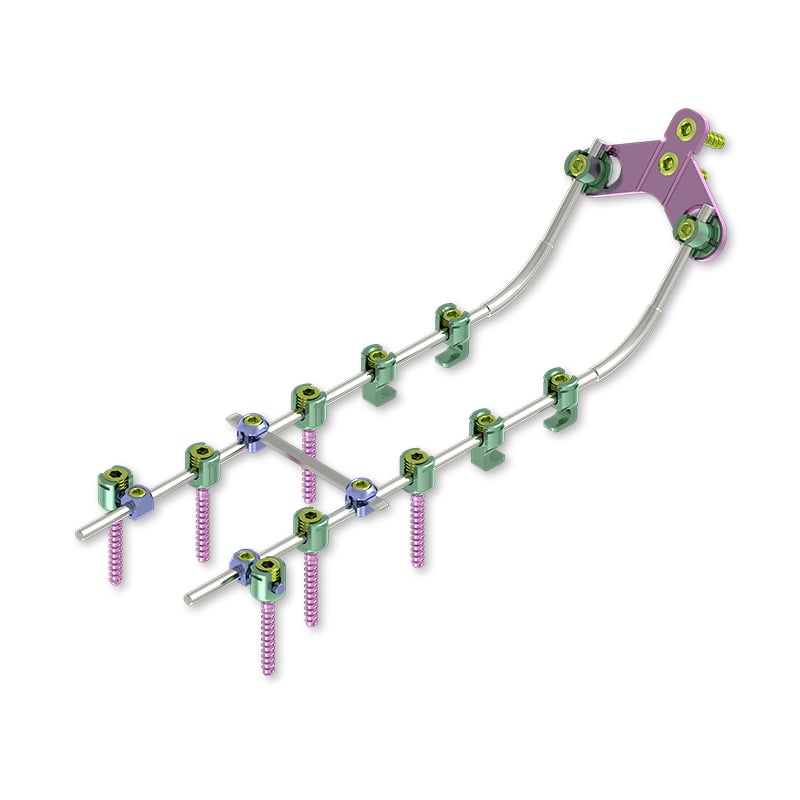
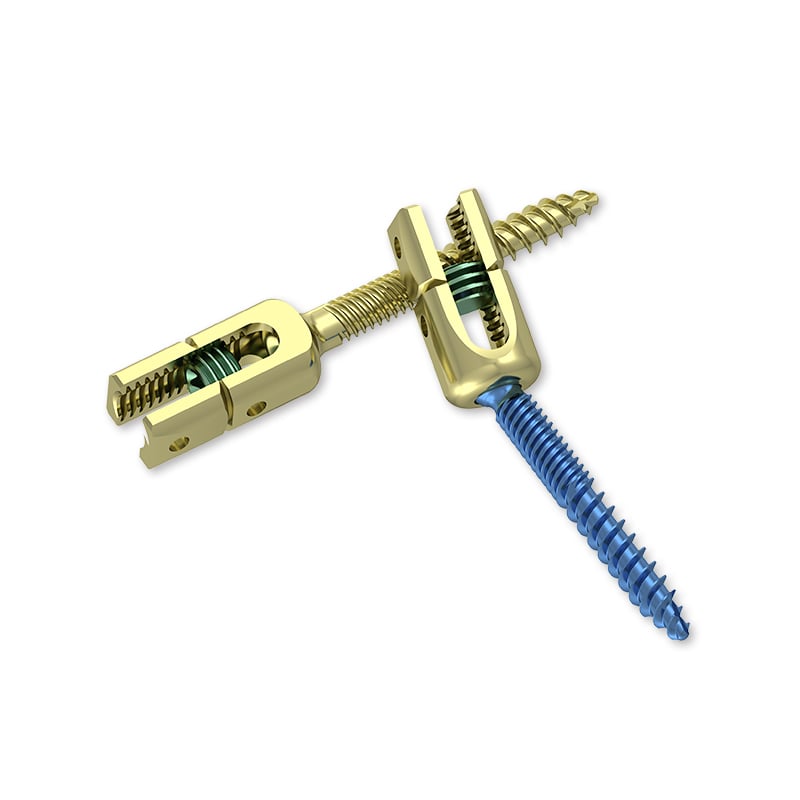
The cannulated spinal screw represents a critical advancement in spinal surgery technology, designed to provide superior fixation and stability in various spinal procedures. This specialized orthopedic implant features a hollow core that runs through its entire length, allowing surgeons to insert the screw over a guidewire for precise placement. The cannulated spinal screw is engineered with advanced threading patterns and biocompatible materials, typically titanium alloy or stainless steel, ensuring optimal bone purchase and long-term integration. Its primary function involves securing vertebral segments during fusion procedures, correcting spinal deformities, and stabilizing fractures or degenerative conditions. The technological features of the cannulated spinal screw include self-tapping capabilities, which reduce insertion torque and minimize bone damage during placement. The hollow channel design enables real-time visualization through fluoroscopy, allowing surgeons to confirm accurate positioning before final insertion. Many cannulated spinal screw systems incorporate color-coded instrumentation and intuitive insertion techniques that streamline surgical workflows. Applications span multiple spinal regions, including cervical, thoracic, and lumbar segments, addressing conditions such as spondylolisthesis, spinal stenosis, traumatic injuries, and tumor-related instability. The cannulated spinal screw has become indispensable in minimally invasive spine surgery, where smaller incisions and reduced tissue disruption are paramount. Its versatility extends to revision surgeries, where precise screw placement in compromised bone is essential. The design accommodates various screw diameters and lengths, enabling customization based on patient anatomy and surgical requirements, making the cannulated spinal screw a fundamental component in modern spinal instrumentation systems.

New Product Releases

Choosing a cannulated spinal screw offers substantial practical benefits that directly impact surgical outcomes and patient recovery. The guidewire-based insertion method significantly enhances placement accuracy, reducing the risk of neurovascular injury and improving overall surgical safety. Surgeons appreciate how the cannulated spinal screw allows for real-time adjustments during insertion, ensuring optimal screw trajectory even in challenging anatomical scenarios. This precision translates to fewer revision procedures and lower complication rates, delivering measurable cost savings for healthcare facilities. The operational benefits include reduced surgery time, as the cannulated spinal screw system streamlines the insertion process through simplified instrumentation and clear visual confirmation of screw positioning. The hollow core design facilitates minimally invasive approaches, which means smaller incisions, less muscle damage, and faster patient recovery compared to traditional solid screw systems. Patients experience shorter hospital stays and quicker return to daily activities, enhancing overall satisfaction and quality of life. The cannulated spinal screw demonstrates exceptional application suitability across diverse patient populations, from young adults with traumatic injuries to elderly patients with osteoporotic bone. The self-tapping feature minimizes insertion force requirements, preserving bone integrity and reducing the risk of pedicle fractures during screw placement. Healthcare providers benefit from standardized instrumentation that simplifies inventory management and reduces training complexity for surgical teams. The biocompatible materials used in cannulated spinal screw manufacturing ensure excellent osseointegration and long-term stability, supporting durable fusion outcomes. From a decision-making perspective, the proven track record of cannulated spinal screw technology, supported by extensive clinical research and positive patient outcomes, provides confidence for surgeons selecting spinal fixation solutions. The versatility to accommodate various surgical techniques and patient anatomies makes the cannulated spinal screw a reliable choice for comprehensive spinal care programs seeking to optimize both clinical results and operational efficiency.

Tips And Tricks

What Are the Differences Between Monoaxial and Polyaxial Pedicle Screw?

02

Jun

What Are the Differences Between Monoaxial and Polyaxial Pedicle Screw?

In spinal surgery, choosing the right implant can directly influence surgical outcomes, patient recovery, and long-term construct stability. Among the most critical decisions a spine surgeon faces is selecting the appropriate type of pedicle screw fo...
View More
Why Is Pedicle Screw Accuracy Critical in Minimally Invasive Spine Surgery?

02

Jun

Why Is Pedicle Screw Accuracy Critical in Minimally Invasive Spine Surgery?

In the evolving landscape of spinal surgery, precision is not merely a technical preference — it is a clinical imperative. The pedicle screw has become the cornerstone of modern spinal fixation systems, offering surgeons a reliable anchor point...
View More
How to Choose the Right Pedicle Screw Size for Lumbar Fusion Procedures?

02

Jun

How to Choose the Right Pedicle Screw Size for Lumbar Fusion Procedures?

Selecting the correct pedicle screw size for lumbar fusion procedures is one of the most consequential decisions a spine surgeon makes during operative planning. The diameter, length, and thread design of each pedicle screw directly influence fixatio...
View More
How Does Spinal Screw Improve Outcomes in Scoliosis Correction Surgery?

06

Jul

How Does Spinal Screw Improve Outcomes in Scoliosis Correction Surgery?

Scoliosis correction surgery is one of the most technically demanding procedures in spinal care, requiring precise instrumentation to restore alignment and maintain long-term stability. At the center of modern surgical technique, the spinal screw has...
View More

Get a Free Quote

Our representative will contact you soon.
Email
Name
Company Name
Message
0/1000

cannulated spinal screw

Precision-Guided Placement Technology

Precision-Guided Placement Technology

The cannulated spinal screw revolutionizes surgical accuracy through its innovative guidewire-directed insertion system. Unlike solid screws that require freehand placement, the cannulated spinal screw follows a pre-positioned guidewire that maps the exact trajectory before the implant is inserted. This approach dramatically reduces the margin for error in critical spinal anatomy where nerves, blood vessels, and the spinal cord are in close proximity. Surgeons can verify guidewire positioning using fluoroscopy or navigation systems, making real-time adjustments before committing to screw insertion. This precision-guided methodology is particularly valuable in complex cases involving severe deformity, revision surgery, or compromised bone quality where traditional techniques pose higher risks. The confidence provided by this cannulated spinal screw feature enables surgeons to tackle challenging cases with greater assurance, expanding treatment options for patients who might otherwise face limited surgical solutions. The technology also reduces radiation exposure during surgery, as fewer repositioning attempts are needed. For hospitals and surgical centers, this translates to improved safety profiles, better patient outcomes, and enhanced reputation for quality spinal care delivery.
Enhanced Minimally Invasive Compatibility

Enhanced Minimally Invasive Compatibility

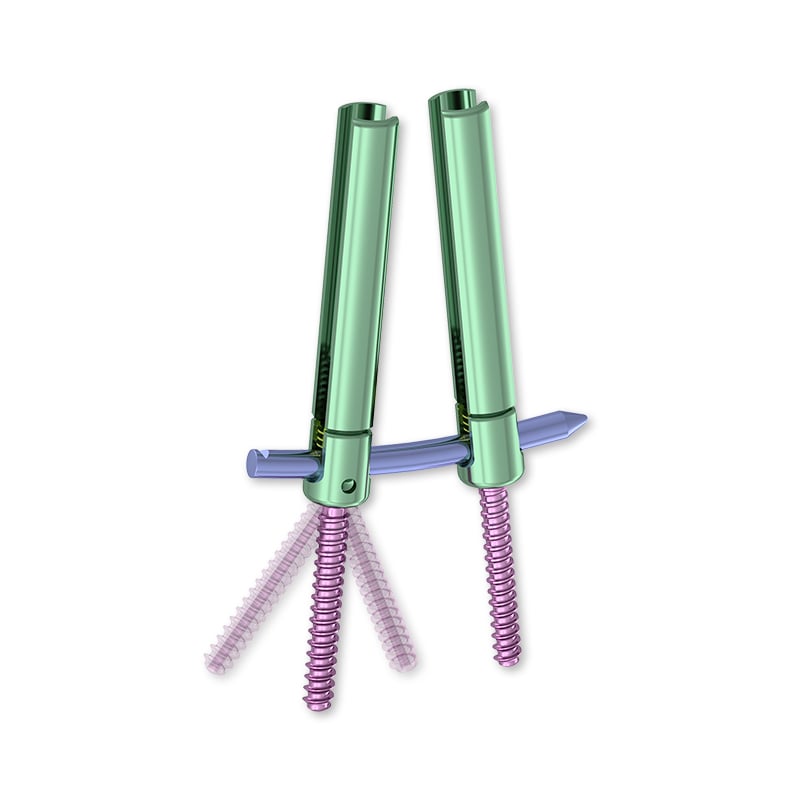
The cannulated spinal screw is specifically engineered to excel in minimally invasive surgical approaches, which represent the current standard of care for many spinal conditions. The hollow core design allows the screw to be delivered through small tubular retractors and specialized insertion instruments, preserving muscle tissue and reducing postoperative pain. This compatibility with percutaneous techniques means patients benefit from smaller incisions, minimal blood loss, and significantly faster recovery periods. The cannulated spinal screw system includes specialized instrumentation designed for tight working channels, enabling surgeons to perform complex fixation procedures through access points as small as one centimeter. This minimally invasive advantage is especially important for patients with multiple medical comorbidities who may not tolerate extensive open procedures. The reduced surgical trauma associated with cannulated spinal screw insertion leads to shorter anesthesia times and decreased physiological stress, improving safety margins for vulnerable patient populations. Healthcare facilities appreciate the shorter hospital stays and lower complication rates that result from minimally invasive cannulated spinal screw procedures, contributing to improved resource utilization and patient throughput. The technology supports outpatient and ambulatory surgical models, aligning with healthcare trends toward value-based care and patient-centered treatment paradigms.
Superior Biomechanical Stability

Superior Biomechanical Stability

The cannulated spinal screw delivers exceptional biomechanical performance through carefully engineered thread design and material selection that optimize fixation strength across diverse bone densities. Advanced thread geometries maximize bone-screw interface contact, distributing load forces evenly to prevent stress concentration and reduce the risk of screw loosening or pullout. The self-tapping feature of the cannulated spinal screw cuts its own thread path during insertion, creating precise thread engagement without requiring separate tapping instruments that can compromise bone integrity. This design is particularly beneficial in osteoporotic bone, where preserving every bit of available bone stock is critical for achieving stable fixation. The cannulated spinal screw materials undergo rigorous testing to ensure fatigue resistance under cyclic loading conditions that simulate years of physiological stress. Titanium alloy options provide an ideal balance of strength, biocompatibility, and radiolucency for postoperative imaging assessment. The biomechanical stability offered by the cannulated spinal screw supports solid fusion development, which is the ultimate goal of most spinal fixation procedures. Surgeons can confidently rely on this technology to maintain alignment correction and segmental stability throughout the fusion healing process. For patients, superior biomechanical performance means lower rates of hardware failure, fewer revision surgeries, and better long-term functional outcomes that preserve spinal health and quality of life.

Get a Free Quote

Our representative will contact you soon.
Email
Name
Company Name
Message
0/1000
Newsletter
Please Leave A Message With Us