Titanium Plate Collar Bone Solutions

All Categories

Get a Free Quote

Our representative will contact you soon.
Email
Name
Company Name
Message
0/1000

titanium plate collar bone

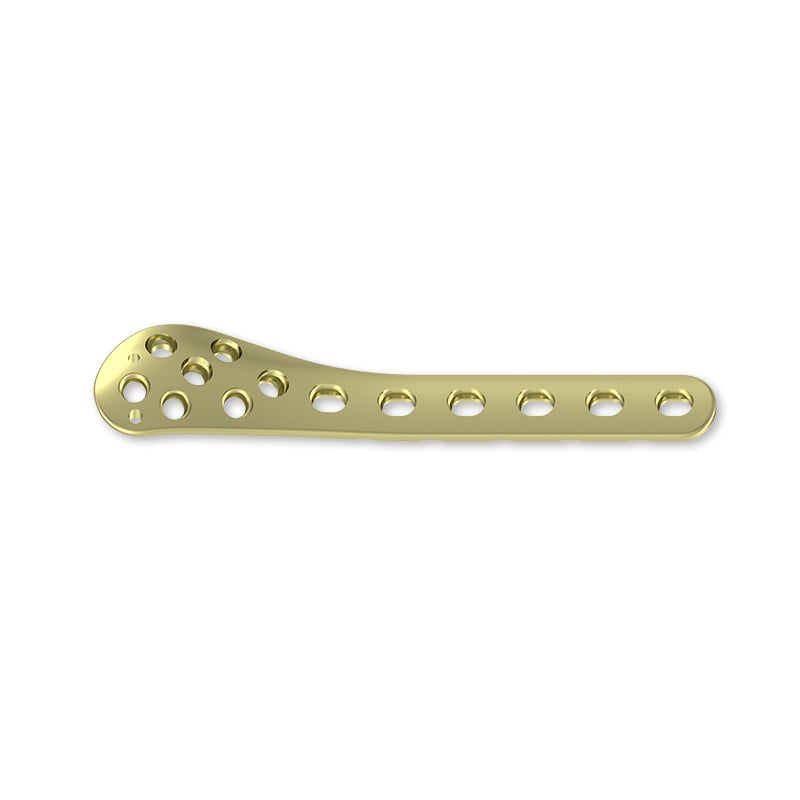
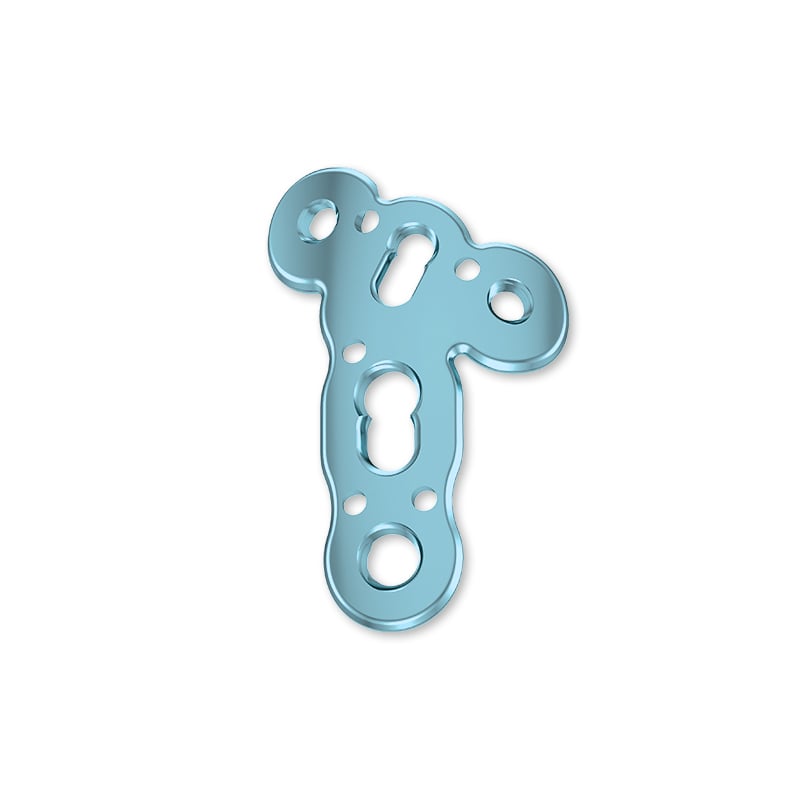
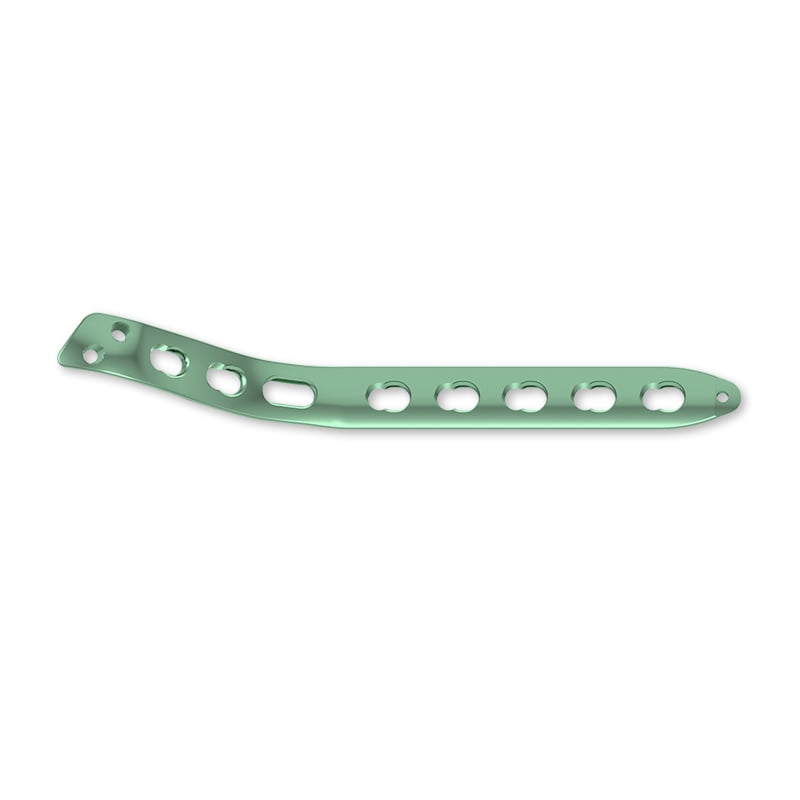
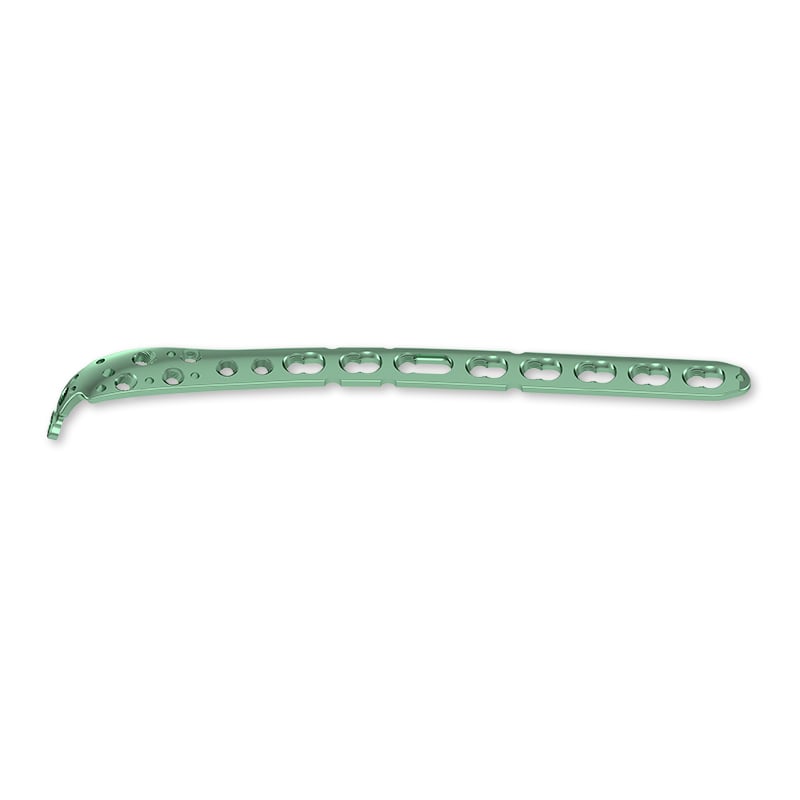
A titanium plate collar bone is a specialized orthopedic implant designed to stabilize and repair clavicle fractures through surgical fixation. This medical device consists of a precisely engineered titanium plate that attaches to the fractured collarbone using surgical screws, providing rigid support during the healing process. The titanium plate collar bone serves as an internal framework that maintains proper bone alignment while allowing natural bone regeneration to occur. Collarbone fractures are among the most common skeletal injuries, often resulting from falls, sports accidents, or vehicle collisions. When conservative treatment methods prove insufficient, the titanium plate collar bone becomes the preferred surgical solution. The implant's technological features include anatomically contoured designs that match the natural curvature of the clavicle, pre-drilled screw holes for precise placement, and variable thickness profiles to accommodate different patient anatomies. Modern titanium plate collar bone systems incorporate locking screw technology, which creates a fixed-angle construct that enhances stability and reduces the risk of hardware failure. The applications of this implant extend across multiple fracture patterns, including mid-shaft fractures, displaced fractures, and complex comminuted injuries. Surgeons utilize the titanium plate collar bone in both acute trauma cases and revision surgeries where initial healing has failed. The device enables early mobilization of the shoulder joint, significantly reducing recovery time compared to non-surgical approaches. Its biocompatible nature ensures long-term integration with surrounding tissue while maintaining structural integrity throughout the healing process.

New Product Recommendations

The titanium plate collar bone offers exceptional biocompatibility, meaning the material integrates seamlessly with human bone tissue without triggering adverse immune responses or rejection reactions. This compatibility ensures safe long-term placement within the body, eliminating concerns about material toxicity or corrosion. Patients benefit from faster recovery times because the rigid fixation provided by the titanium plate collar bone allows immediate gentle movement of the shoulder, preventing stiffness and muscle atrophy. The lightweight nature of titanium reduces the sensation of foreign material in the body, enhancing comfort during daily activities. Superior strength-to-weight ratio means the titanium plate collar bone delivers robust support without adding unnecessary bulk, making it ideal for patients of all body types. The implant resists corrosion from bodily fluids, maintaining structural integrity for years without degradation or weakening. This durability ensures consistent support throughout the entire healing period, typically six to twelve weeks, and remains reliable even if long-term retention becomes necessary. The titanium plate collar bone facilitates precise fracture reduction, allowing surgeons to restore exact anatomical alignment and promoting optimal healing outcomes. Patients experience reduced pain compared to alternative treatments because proper stabilization minimizes bone fragment movement and associated discomfort. The device suits various fracture complexities, from simple breaks to severe multi-fragment injuries, making it a versatile solution for diverse clinical scenarios. Surgical placement of the titanium plate collar bone typically requires only a small incision, resulting in minimal scarring and reduced tissue trauma. The implant's radiolucent properties allow clear visualization during follow-up X-rays, enabling doctors to monitor healing progress accurately without interference from the hardware. Most patients return to normal activities within three to six months, with many athletes resuming sports participation after proper rehabilitation.

Tips And Tricks

What Are the Main Types of Orthopedic Implants Used in Trauma Surgery?

02

Jun

What Are the Main Types of Orthopedic Implants Used in Trauma Surgery?

When a patient sustains a serious bone fracture or joint injury, the goal of trauma surgery is to restore stability, alignment, and function as efficiently and safely as possible. Central to achieving that goal are orthopedic implants — precisi...
View More
What Are the Indications for Using Pedicle Screw in Degenerative Spine Disease?

02

Jun

What Are the Indications for Using Pedicle Screw in Degenerative Spine Disease?

Degenerative spine disease encompasses a broad spectrum of conditions that progressively compromise spinal stability, alignment, and neurological function. As these conditions advance, conservative management often fails to provide adequate relief, a...
View More
What Are the Clinical Indications for Using Spinal Screw in Spine Trauma?

06

Jul

What Are the Clinical Indications for Using Spinal Screw in Spine Trauma?

When surgeons evaluate a patient with spine trauma, one of the most critical decisions they face is whether to use a spinal screw for stabilization. A spinal screw serves as the mechanical foundation of posterior fixation systems, anchoring rods or p...
View More
How Can Distributors Assess Pedicle Screw Supplier Reliability?

06

Jul

How Can Distributors Assess Pedicle Screw Supplier Reliability?

Choosing the right pedicle screw supplier is one of the most consequential decisions a medical device distributor can make. A pedicle screw supplier directly affects patient safety, regulatory standing, and the commercial reputation of every distribu...
View More

Get a Free Quote

Our representative will contact you soon.
Email
Name
Company Name
Message
0/1000

titanium plate collar bone

Advanced Biocompatible Titanium Construction

Advanced Biocompatible Titanium Construction

The titanium plate collar bone utilizes medical-grade titanium alloy, specifically engineered to meet the demanding requirements of orthopedic implantation. This material choice represents the gold standard in skeletal fixation devices due to its unique combination of properties that directly benefit patient outcomes. Titanium exhibits outstanding osseointegration capabilities, allowing direct bonding between the implant surface and surrounding bone tissue at the microscopic level. This biological integration creates a stable interface that supports natural healing processes while maintaining implant position throughout recovery. The corrosion resistance of the titanium plate collar bone ensures the device maintains its mechanical properties indefinitely, even when exposed to the challenging biochemical environment inside the human body. Unlike stainless steel alternatives, titanium generates minimal artifact during MRI scanning, allowing patients to undergo advanced diagnostic imaging without complications. The hypoallergenic nature of titanium makes the titanium plate collar bone suitable for patients with metal sensitivities, expanding treatment options for individuals who might otherwise face limited choices. The material's inherent strength allows manufacturers to create thinner, more contoured profiles that conform precisely to clavicular anatomy while still providing adequate fracture support.
Anatomically Contoured Design for Optimal Fit

Anatomically Contoured Design for Optimal Fit

Each titanium plate collar bone features an anatomically pre-contoured shape that mirrors the natural S-curve of the human clavicle, eliminating the need for extensive intraoperative bending and reducing surgical time. This precision engineering ensures the implant sits flush against the bone surface, distributing mechanical loads evenly across the fracture site and minimizing stress concentrations that could lead to hardware failure or delayed healing. The anatomical design of the titanium plate collar bone accommodates left and right clavicle variations, with specific configurations available for superior and anterior plating approaches depending on fracture location and surgeon preference. Variable plate lengths provide options for different patient sizes and fracture patterns, ensuring optimal coverage of the injury zone while minimizing unnecessary hardware extension. The low-profile construction reduces soft tissue irritation and prominence under the skin, decreasing post-operative discomfort and improving cosmetic outcomes. Strategically positioned screw holes in the titanium plate collar bone allow surgeons to achieve ideal fixation while avoiding neurovascular structures that run near the clavicle. This thoughtful design consideration enhances surgical safety and reduces the risk of intraoperative complications, contributing to better overall patient outcomes and surgeon confidence.
Locking Screw Technology for Enhanced Stability

Locking Screw Technology for Enhanced Stability

The titanium plate collar bone incorporates advanced locking screw technology that transforms the construct into a fixed-angle device, providing superior stability compared to traditional compression plating systems. When locking screws engage with threaded holes in the plate, they create a unified structure where screws cannot toggle or loosen over time, maintaining consistent fracture reduction throughout the healing period. This locking mechanism proves particularly valuable in osteoporotic bone, where conventional screws might lose purchase due to reduced bone density. The titanium plate collar bone with locking capability distributes forces across the entire plate-screw construct rather than concentrating stress at individual screw-bone interfaces, reducing the risk of screw pullout or bone fragmentation. Patients with compromised bone quality, including elderly individuals and those with metabolic bone disorders, benefit significantly from this enhanced fixation security. The system allows for angular variation in screw placement while maintaining the locking function, giving surgeons flexibility to navigate around fracture fragments and avoid critical anatomical structures. Some titanium plate collar bone designs feature combination holes that accept both locking and non-locking screws, enabling surgeons to customize fixation strategies based on specific fracture characteristics and achieving optimal compression where needed while maintaining angular stability elsewhere.

Get a Free Quote

Our representative will contact you soon.
Email
Name
Company Name
Message
0/1000
Newsletter
Please Leave A Message With Us