Locking Bone Plate: Advanced Fracture Fixation

All Categories

Get a Free Quote

Our representative will contact you soon.
Email
Name
Company Name
Message
0/1000

locking bone plate

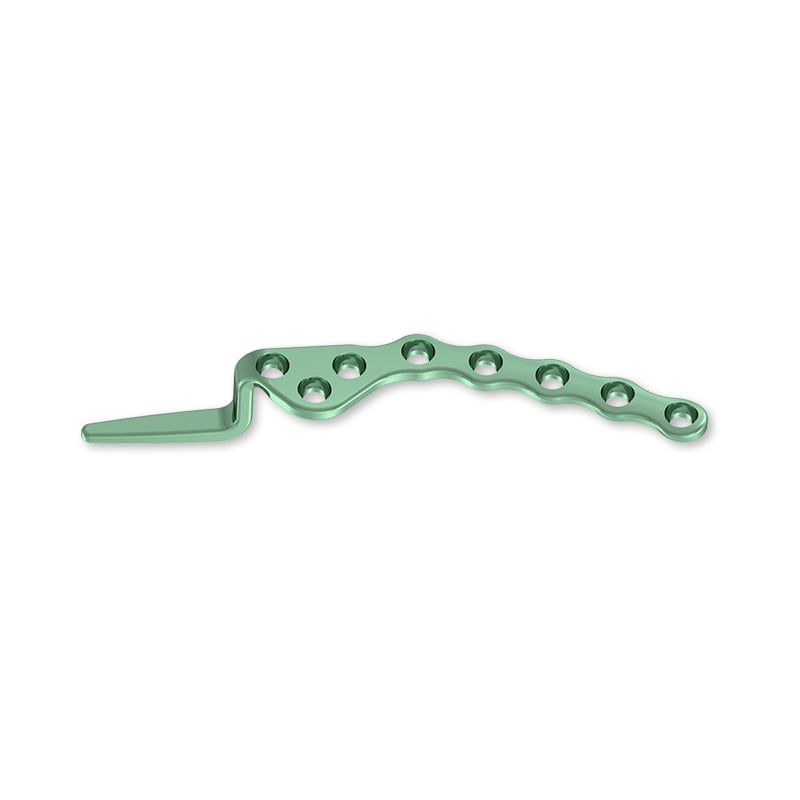
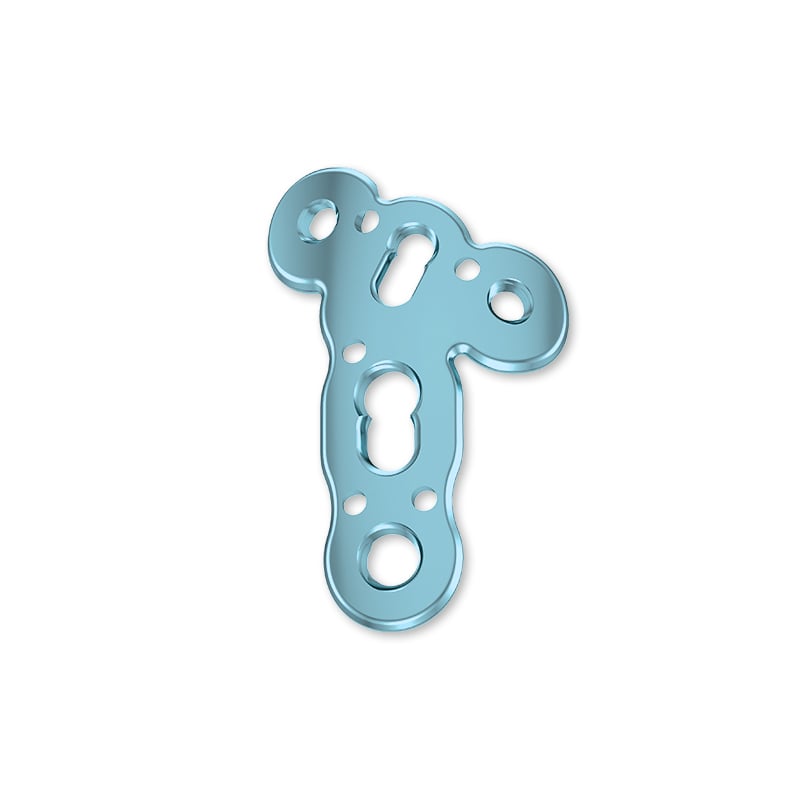
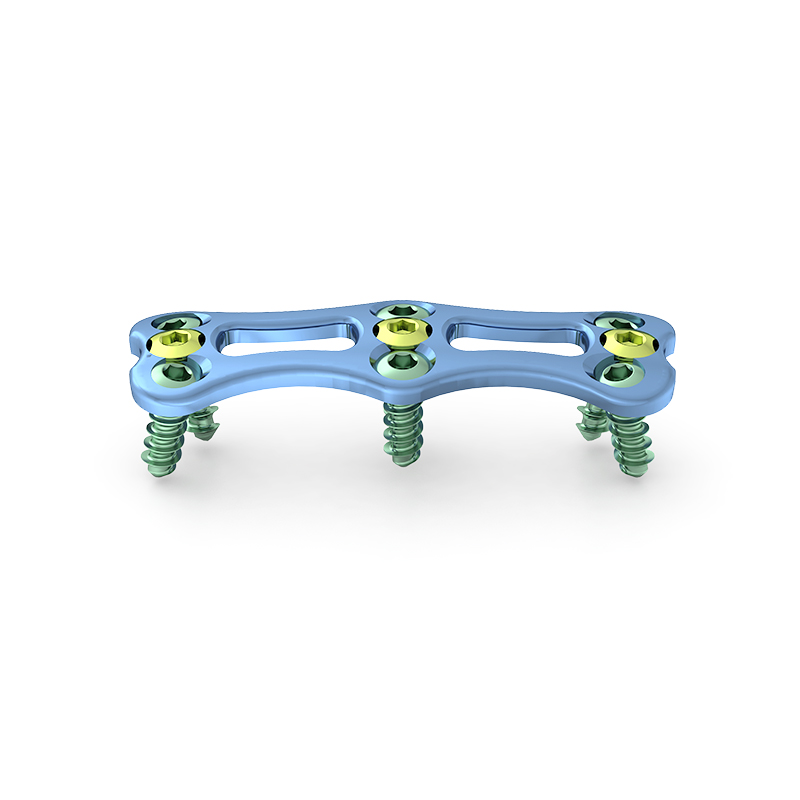
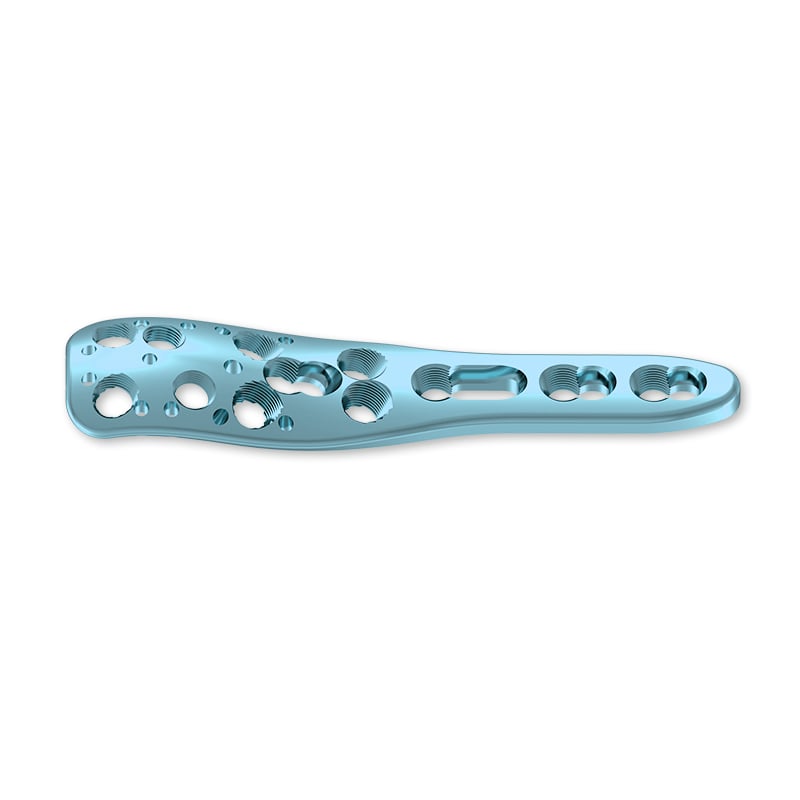
A locking bone plate is an advanced orthopedic implant designed to stabilize fractured bones during the healing process. Unlike conventional plates that rely on compression against the bone surface, the locking bone plate features threaded screw holes that create a fixed-angle construct, essentially functioning as an internal fixator. This innovative design allows screws to lock directly into the plate, creating a unified structure that provides superior stability without depending on friction between the plate and bone. The locking bone plate is manufactured from biocompatible materials such as titanium or stainless steel, ensuring safe integration with human tissue. Its main functions include maintaining proper bone alignment, distributing mechanical loads evenly across the fracture site, and promoting optimal healing conditions. Technological features include anatomically contoured designs that match bone geometry, multiple locking and non-locking hole options for surgical flexibility, and low-profile construction to minimize soft tissue irritation. The locking bone plate finds extensive applications in treating complex fractures, osteoporotic bone conditions, periarticular injuries, and cases requiring minimally invasive surgical techniques. This fixation system proves particularly valuable when treating elderly patients with compromised bone quality, comminuted fractures with multiple fragments, and fractures near joints where traditional compression plating may not provide adequate stability. Surgeons worldwide rely on the locking bone plate for both trauma and reconstructive procedures across various anatomical locations including extremities, pelvis, and craniofacial regions.

New Product Recommendations

The locking bone plate delivers significant practical benefits that directly address the challenges faced by orthopedic surgeons and their patients. This fixation system provides exceptional stability even in compromised bone conditions, making it an ideal solution for treating elderly patients with osteoporosis where traditional plates often fail. The fixed-angle construction eliminates the need for precise plate contouring and tight compression against the bone surface, reducing surgical time and technical demands. Surgeons can work more efficiently because the locking mechanism maintains stability without requiring perfect plate adaptation. Patients experience faster recovery times due to the biological fixation approach that preserves blood supply to the bone. Unlike compression plates that strip away periosteum, the locking bone plate can be positioned with minimal contact, protecting vital healing tissues and reducing the risk of bone necrosis. The versatility of having both locking and non-locking holes in a single plate gives surgeons strategic options during procedures, allowing them to combine techniques based on specific fracture patterns. This adaptability proves invaluable when dealing with complex injuries that require customized fixation strategies. The reduced dependence on bone quality means fewer complications in challenging cases, lowering the likelihood of hardware failure and revision surgeries. For healthcare facilities, this translates to better patient outcomes, shorter hospital stays, and reduced long-term costs associated with complications. The locking bone plate also enables minimally invasive surgical approaches, resulting in smaller incisions, less soft tissue damage, reduced postoperative pain, and improved cosmetic results. Patients return to normal activities sooner, improving their quality of life and reducing the economic burden of extended recovery periods. The proven track record of this technology gives medical professionals confidence in their treatment decisions while providing patients with reliable, evidence-based care that maximizes healing potential.

Practical Tips

Why Is Innovation Important for Competitive Orthopedic Implants Suppliers?

02

Jun

Why Is Innovation Important for Competitive Orthopedic Implants Suppliers?

The medical device industry is undergoing rapid transformation, and nowhere is this change more consequential than in the field of orthopedic surgery. For orthopedic implants suppliers, staying competitive is no longer simply a matter of offering rel...
View More
What Are the Main Types of Orthopedic Implants Used in Trauma Surgery?

02

Jun

What Are the Main Types of Orthopedic Implants Used in Trauma Surgery?

When a patient sustains a serious bone fracture or joint injury, the goal of trauma surgery is to restore stability, alignment, and function as efficiently and safely as possible. Central to achieving that goal are orthopedic implants — precisi...
View More
What Are the Clinical Indications for Using Spinal Screw in Spine Trauma?

06

Jul

What Are the Clinical Indications for Using Spinal Screw in Spine Trauma?

When surgeons evaluate a patient with spine trauma, one of the most critical decisions they face is whether to use a spinal screw for stabilization. A spinal screw serves as the mechanical foundation of posterior fixation systems, anchoring rods or p...
View More
How Can Distributors Assess Pedicle Screw Supplier Reliability?

06

Jul

How Can Distributors Assess Pedicle Screw Supplier Reliability?

Choosing the right pedicle screw supplier is one of the most consequential decisions a medical device distributor can make. A pedicle screw supplier directly affects patient safety, regulatory standing, and the commercial reputation of every distribu...
View More

Get a Free Quote

Our representative will contact you soon.
Email
Name
Company Name
Message
0/1000

locking bone plate

Superior Stability in Compromised Bone

Superior Stability in Compromised Bone

The locking bone plate excels in situations where bone quality is poor or compromised, a common challenge in treating elderly patients, osteoporotic bones, or severely comminuted fractures. Traditional fixation methods depend heavily on friction between the plate and bone surface, requiring good bone stock to maintain stability. However, the locking bone plate creates a fixed-angle construct where screws thread directly into the plate itself, forming an integrated internal fixator that does not rely on bone compression. This revolutionary approach means that stability comes from the mechanical interlock between screw and plate rather than from gripping force against weakened bone. The result is dramatically reduced risk of screw loosening, toggle, or pullout even when bone mineral density is low. Surgeons can confidently treat patients who previously would have been considered high-risk for fixation failure. The angular stability provided by this system distributes forces more evenly across the entire construct, preventing the focal stress concentrations that lead to hardware failure. This advantage proves particularly critical in metaphyseal fractures near joints, where cancellous bone offers limited purchase for conventional screws. By maintaining consistent fixation strength regardless of bone quality variations, the locking bone plate expands treatment options and improves outcomes for vulnerable patient populations who need reliable stabilization the most.
Biological Preservation and Faster Healing

Biological Preservation and Faster Healing

One of the most significant advantages of the locking bone plate is its ability to promote biological healing through minimal contact with the bone surface. Traditional compression plating requires tight application against the bone, which disrupts periosteal blood supply and can lead to bone devitalization beneath the plate. In contrast, the locking bone plate can function effectively with minimal or no contact with the cortex, preserving the crucial blood vessels that supply nutrients and oxygen to healing bone. This biological approach respects the natural healing process, allowing bone to regenerate more efficiently with reduced risk of delayed union or nonunion. The preservation of soft tissue attachments and blood supply also decreases the incidence of infection, a major concern in orthopedic surgery. Surgeons can implement bridge plating techniques where the plate spans the fracture zone without direct manipulation of bone fragments, maintaining their blood supply intact. This method proves especially valuable in comminuted fractures where attempting to reconstruct every small fragment would compromise vascularity. The locking bone plate supports minimally invasive percutaneous plating procedures that further reduce surgical trauma, limit soft tissue stripping, and accelerate recovery. Patients benefit from less postoperative pain, smaller scars, and quicker return to function. The biological fixation philosophy embodied by this technology represents a paradigm shift toward working with the body's natural healing mechanisms rather than against them.
Surgical Versatility and Technical Advantages

Surgical Versatility and Technical Advantages

The locking bone plate offers unparalleled surgical flexibility through its hybrid design featuring both locking and non-locking screw holes in strategic positions. This versatility allows surgeons to tailor their fixation strategy to the specific demands of each fracture pattern, combining compression techniques where beneficial while utilizing locked screws where angular stability is essential. The availability of variable angle locking screws in many modern systems further enhances adaptability, permitting screw insertion at angles that avoid adjacent hardware, accommodate anatomical constraints, or capture specific bone fragments. Surgeons appreciate that the locking bone plate requires less precise contouring compared to conventional plates, saving valuable operative time and reducing technical difficulty. The fixed-angle stability means that small gaps between plate and bone do not compromise fixation strength, allowing for faster, less invasive application. The modular nature of many locking plate systems provides options for different fracture locations and complexities, from simple two-part fractures to highly comminuted injuries requiring extensive stabilization. Precontoured anatomical designs match bone shape accurately, further simplifying placement and improving cosmetic results. The locking bone plate also facilitates staged procedures and allows for easier hardware removal when necessary. Training for these systems has become standardized, making the technology accessible to surgeons at various experience levels while maintaining consistently high-quality outcomes across diverse clinical scenarios and patient populations.

Get a Free Quote

Our representative will contact you soon.
Email
Name
Company Name
Message
0/1000
Newsletter
Please Leave A Message With Us