Orthopedic Metal Plates and Screws Solutions

All Categories

Get a Free Quote

Our representative will contact you soon.
Email
Name
Company Name
Message
0/1000

orthopedic metal plates and screws

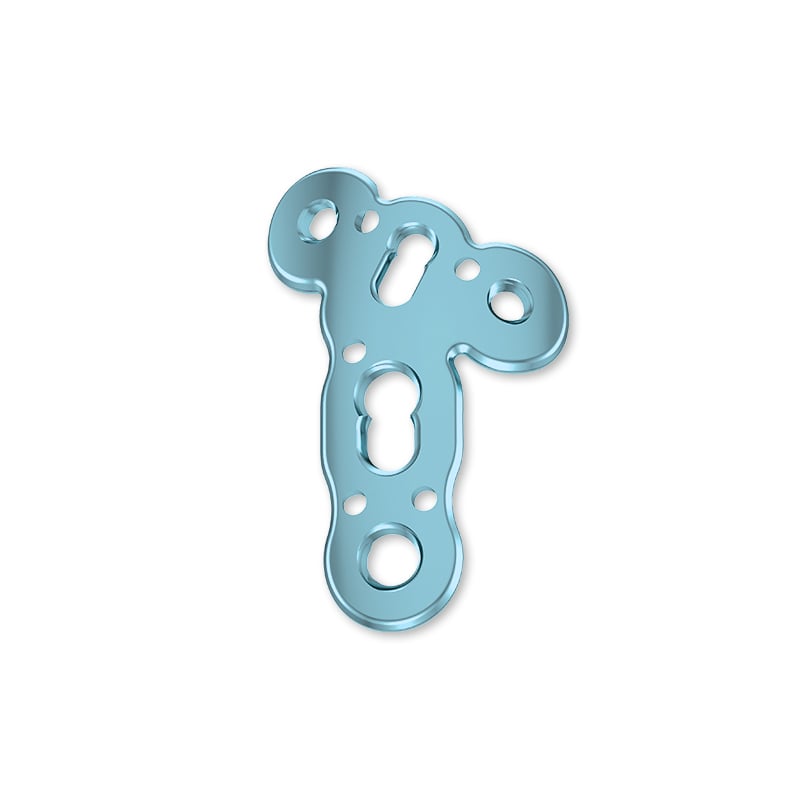
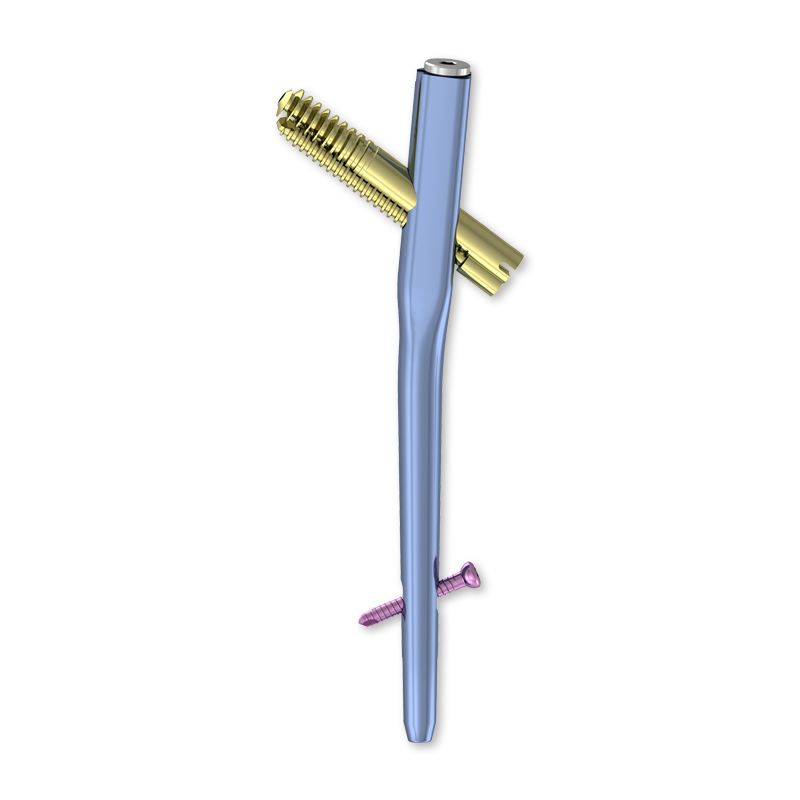
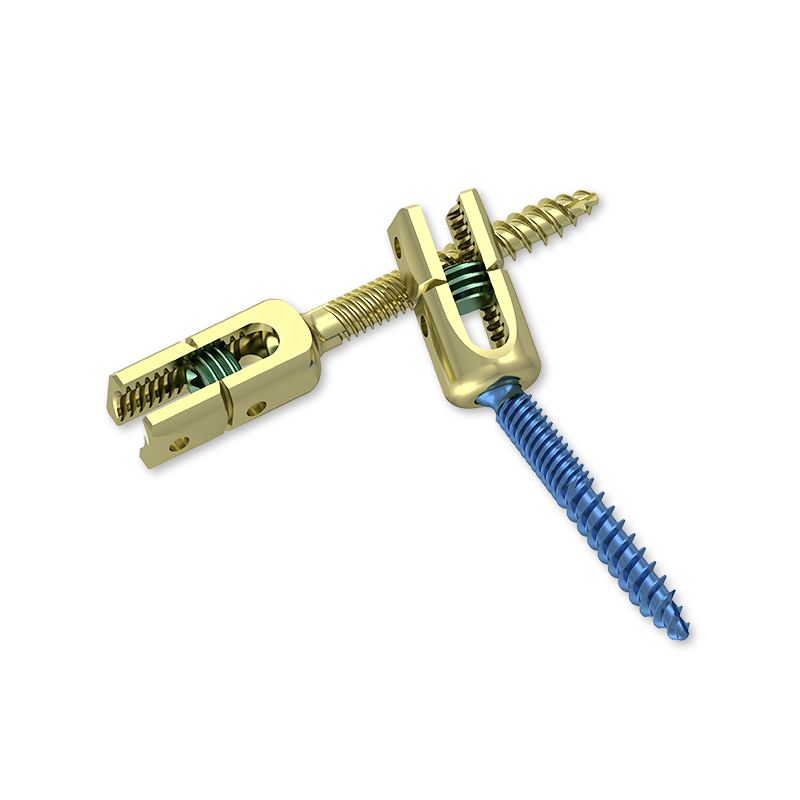
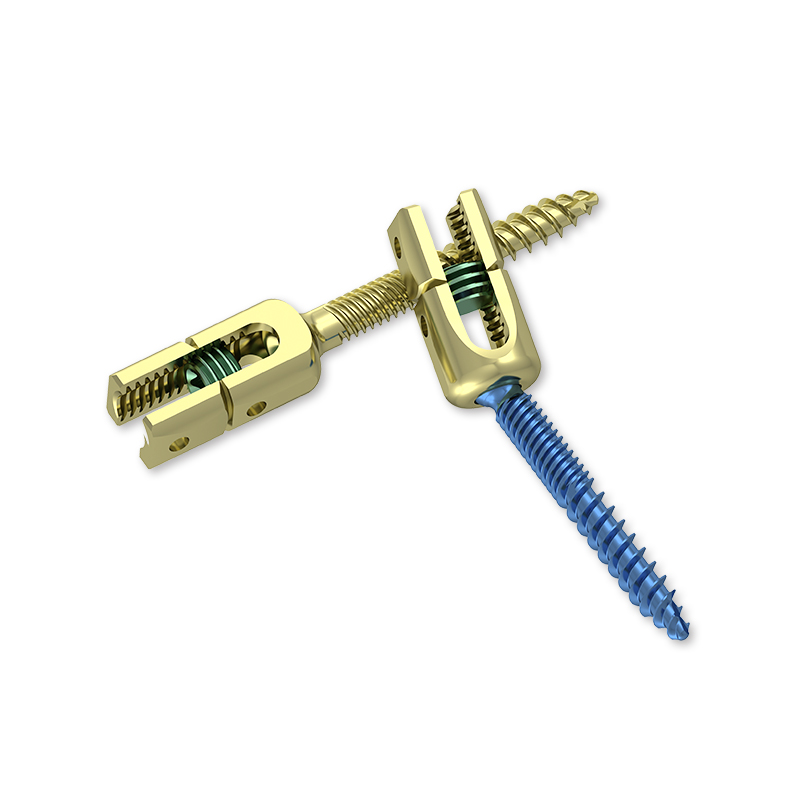
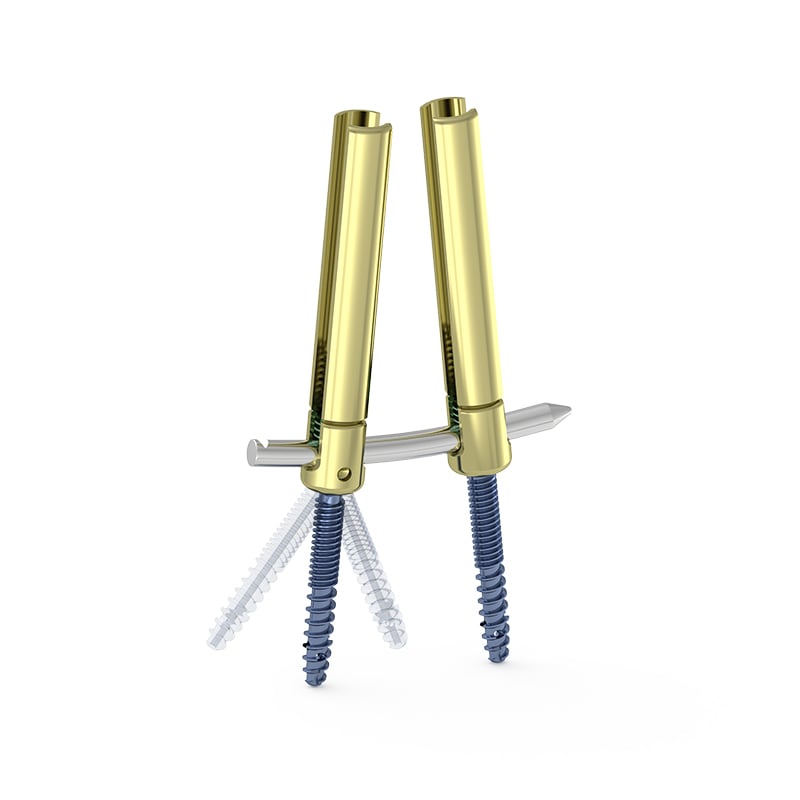
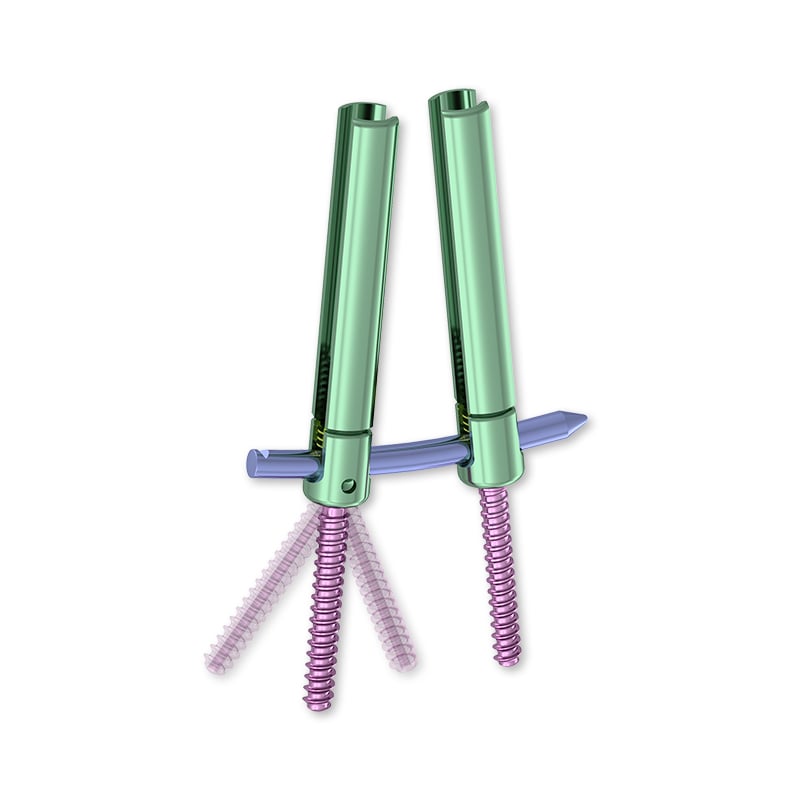
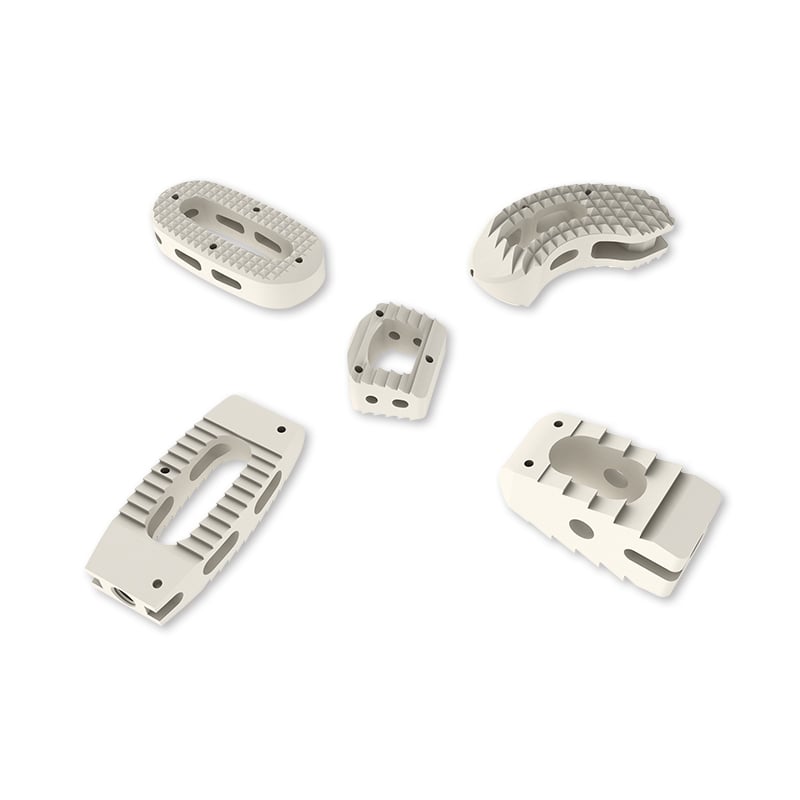
Orthopedic metal plates and screws are essential surgical implants designed to stabilize and fixate fractured bones during the healing process. These medical devices serve as internal support structures that hold bone fragments in proper alignment, allowing natural bone regeneration to occur effectively. Manufactured from biocompatible materials such as titanium alloys and stainless steel, orthopedic metal plates and screws provide the mechanical strength necessary to withstand physiological loads while ensuring patient safety. The main functions include fracture fixation, bone reconstruction, and corrective osteotomy support across various skeletal regions. Technological features of orthopedic metal plates and screws encompass advanced surface treatments that promote osseointegration, anatomically contoured designs that match bone geometry, and locking mechanisms that prevent screw loosening. Modern iterations incorporate low-profile constructions to minimize soft tissue irritation and modular systems that allow surgeons to customize configurations based on specific fracture patterns. Applications span trauma surgery, spinal fusion procedures, maxillofacial reconstruction, and orthopedic corrections for deformities. These devices are utilized in treating complex fractures of long bones, pelvic injuries, joint reconstructions, and pediatric skeletal conditions. The versatility of orthopedic metal plates and screws makes them indispensable in contemporary orthopedic practice, addressing diverse patient populations from athletes recovering from sports injuries to elderly patients requiring fracture management. Their proven efficacy in achieving stable fixation and facilitating optimal bone healing outcomes has established them as the gold standard in fracture treatment worldwide.

New Product Recommendations

The primary advantage of orthopedic metal plates and screws lies in their ability to provide immediate mechanical stability to fractured bones, enabling early patient mobilization and reducing recovery time significantly. This stability allows patients to begin physical therapy sooner, preventing muscle atrophy and joint stiffness that often accompany prolonged immobilization. The biocompatible materials used in manufacturing these devices minimize the risk of adverse tissue reactions, ensuring safe long-term implantation when removal is not required. Surgeons benefit from the operational flexibility these systems provide, as they can select from various plate lengths, screw diameters, and configurations to match specific anatomical requirements and fracture complexities. The locking screw technology incorporated in modern orthopedic metal plates and screws creates fixed-angle constructs that resist toggle and maintain reduction even in osteoporotic bone, making them particularly valuable for elderly patients with compromised bone quality. Application suitability extends across multiple anatomical regions, from small bones in the hand and foot to large weight-bearing structures like the femur and tibia, demonstrating remarkable versatility. The low-profile designs reduce complications related to hardware prominence, decreasing the need for secondary removal surgeries and improving patient comfort during healing. Cost-effectiveness represents another significant benefit, as successful primary fixation reduces the likelihood of revision procedures and associated healthcare expenses. The proven track record of orthopedic metal plates and screws, supported by extensive clinical research and decades of surgical experience, provides confidence for both medical professionals and patients in treatment outcomes. These devices facilitate precise anatomical reduction, which is critical for restoring joint congruity and preventing post-traumatic arthritis, ultimately preserving long-term function and quality of life for patients recovering from skeletal injuries.

Tips And Tricks

Why Is Innovation Important for Competitive Orthopedic Implants Suppliers?

02

Jun

Why Is Innovation Important for Competitive Orthopedic Implants Suppliers?

The medical device industry is undergoing rapid transformation, and nowhere is this change more consequential than in the field of orthopedic surgery. For orthopedic implants suppliers, staying competitive is no longer simply a matter of offering rel...
View More
What Are the Differences Between Monoaxial and Polyaxial Pedicle Screw?

02

Jun

What Are the Differences Between Monoaxial and Polyaxial Pedicle Screw?

In spinal surgery, choosing the right implant can directly influence surgical outcomes, patient recovery, and long-term construct stability. Among the most critical decisions a spine surgeon faces is selecting the appropriate type of pedicle screw fo...
View More
How Do Spinal Screw Systems Perform in Osteoporotic Patients?

06

Jul

How Do Spinal Screw Systems Perform in Osteoporotic Patients?

When a surgeon places a spinal screw into osteoporotic bone, the mechanical environment is fundamentally different from that of healthy vertebral bone. Osteoporosis reduces bone mineral density and disrupts trabecular architecture, leaving the cancel...
View More
How Does Spinal Screw Improve Outcomes in Scoliosis Correction Surgery?

06

Jul

How Does Spinal Screw Improve Outcomes in Scoliosis Correction Surgery?

Scoliosis correction surgery is one of the most technically demanding procedures in spinal care, requiring precise instrumentation to restore alignment and maintain long-term stability. At the center of modern surgical technique, the spinal screw has...
View More

Get a Free Quote

Our representative will contact you soon.
Email
Name
Company Name
Message
0/1000

orthopedic metal plates and screws

Advanced Locking Technology for Superior Fixation

Advanced Locking Technology for Superior Fixation

The advanced locking mechanism integrated into modern orthopedic metal plates and screws represents a revolutionary advancement in fracture fixation technology. This system creates a fixed-angle construct where screws lock into threaded plate holes, transforming the plate and screws into a unified device that functions as an internal fixator. Unlike conventional systems where screws simply compress the plate to bone, locking technology distributes forces across the entire construct, reducing stress concentration at individual screw sites. This design proves especially beneficial in osteoporotic bone, comminuted fractures, and metaphyseal regions where traditional compression may be inadequate. The angular stability provided prevents screw toggle and loss of reduction during the healing period, maintaining fracture alignment throughout bone consolidation. Surgeons appreciate the reduced dependence on bone quality for purchase, as the locking interface provides stability even when cortical contact is limited. For patients, this translates to more reliable outcomes, fewer complications related to hardware failure, and reduced need for revision surgery. The technology accommodates both locking and non-locking screws in hybrid constructs, offering surgical flexibility to address varying bone quality zones within the same fracture pattern.
Anatomically Contoured Designs for Optimal Fit

Anatomically Contoured Designs for Optimal Fit

The anatomically contoured configurations of orthopedic metal plates and screws reflect sophisticated engineering that matches the natural curvature and geometry of human skeletal structures. Pre-shaped plates designed for specific bones eliminate the need for extensive intraoperative bending, reducing surgical time and minimizing plate weakening that can occur with manual contouring. These precision-engineered profiles sit flush against bone surfaces, reducing soft tissue irritation and improving patient comfort during recovery. The low-profile construction minimizes hardware prominence, which is particularly important in subcutaneous areas where implant palpability can cause discomfort and cosmetic concerns. Region-specific designs for locations such as distal radius, proximal humerus, clavicle, and tibial plateau incorporate optimized screw trajectories that capture key bone fragments while avoiding critical neurovascular structures. This anatomical precision facilitates accurate reduction and stable fixation of complex fracture patterns that would be challenging with generic implants. The polyaxial screw options available in many systems allow surgeons to adjust screw angles within a cone of freedom, accommodating individual anatomical variations while maintaining locking stability. Patients benefit from reduced surgical trauma, faster healing, and lower complication rates associated with well-fitted implants that respect the three-dimensional anatomy of their skeletal structure.
Biocompatible Materials Ensuring Safety and Durability

Biocompatible Materials Ensuring Safety and Durability

The biocompatible materials utilized in manufacturing orthopedic metal plates and screws prioritize both patient safety and long-term mechanical performance. Medical-grade titanium alloys, particularly Ti-6Al-4V, offer an exceptional combination of high strength-to-weight ratio, excellent corrosion resistance, and proven biocompatibility that minimizes inflammatory responses. The osseointegration potential of titanium allows bone to form direct contact with the implant surface, creating a biological bond that enhances long-term stability. Stainless steel alternatives, specifically 316L medical-grade alloy, provide cost-effective solutions with adequate mechanical properties for many clinical applications. Surface treatments such as anodization and specialized coatings further enhance biocompatibility and reduce ion release, addressing concerns about metal sensitivity in susceptible patients. The materials' fatigue resistance ensures the implants can withstand millions of loading cycles during the healing period without mechanical failure. Radiolucent properties of titanium facilitate superior postoperative imaging, allowing clear visualization of bone healing without imaging artifacts that can obscure fracture lines. For patients requiring magnetic resonance imaging, titanium implants offer MRI compatibility with minimal artifact generation. The non-magnetic nature and thermal stability of these materials ensure patient safety across various diagnostic and therapeutic procedures throughout their lifetime, providing peace of mind long after the fracture has healed.

Get a Free Quote

Our representative will contact you soon.
Email
Name
Company Name
Message
0/1000
Newsletter
Please Leave A Message With Us