Trauma Fixation External Fixator Solutions

All Categories

Get a Free Quote

Our representative will contact you soon.
Email
Name
Company Name
Message
0/1000

trauma fixation external fixator

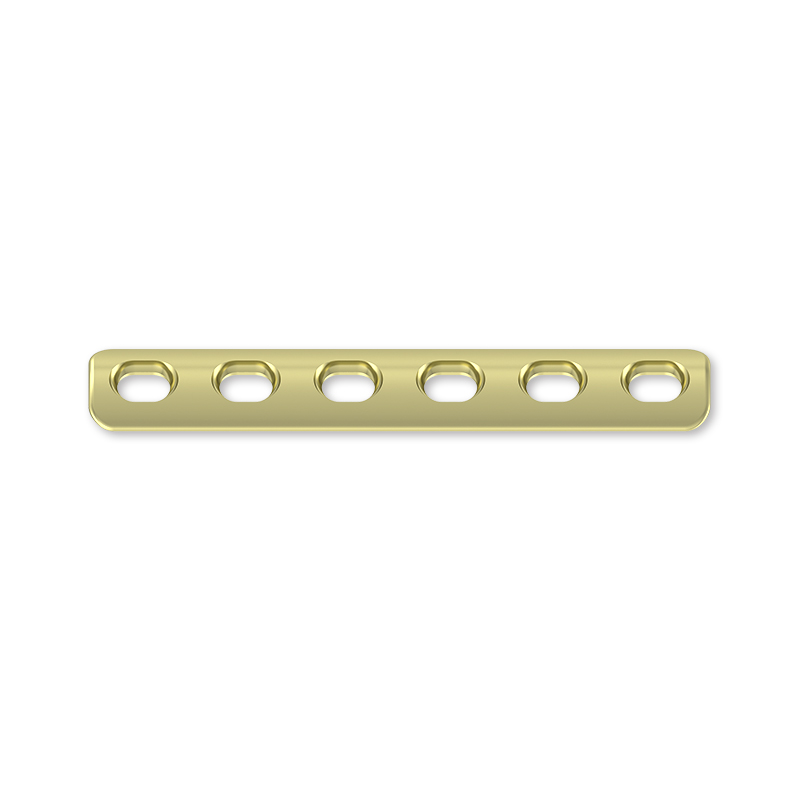
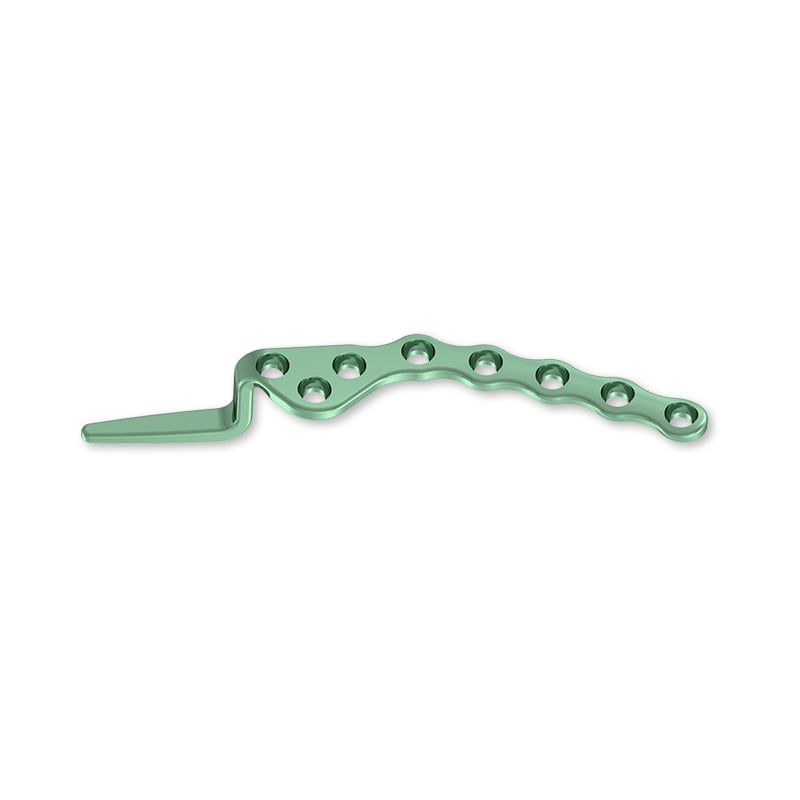
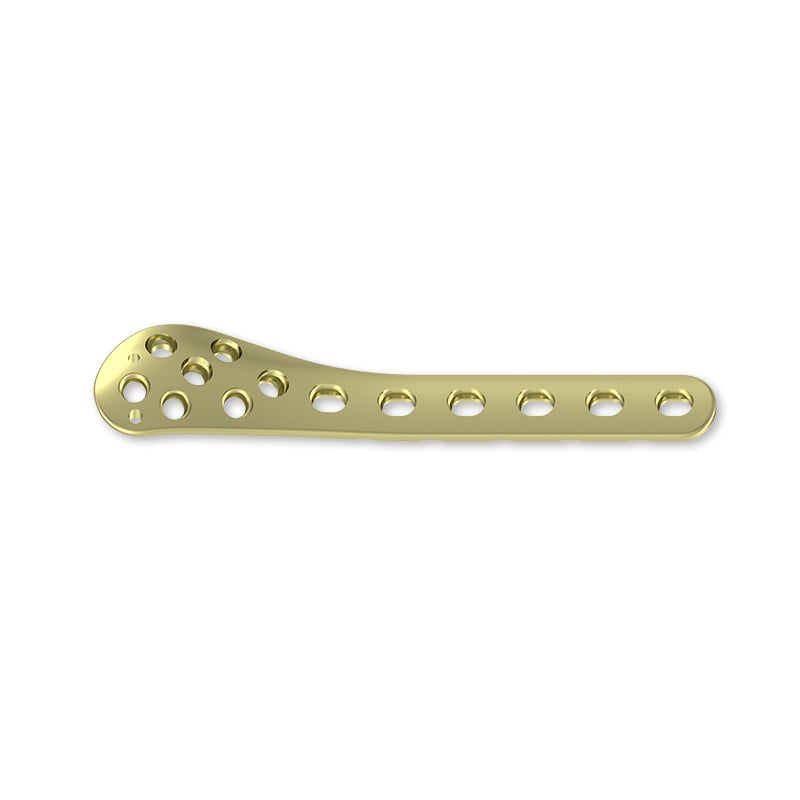
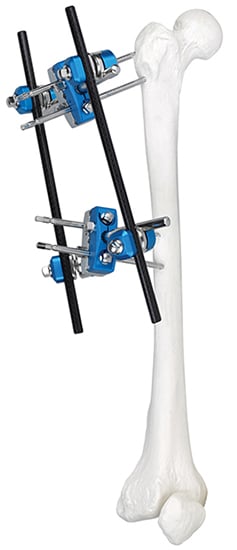
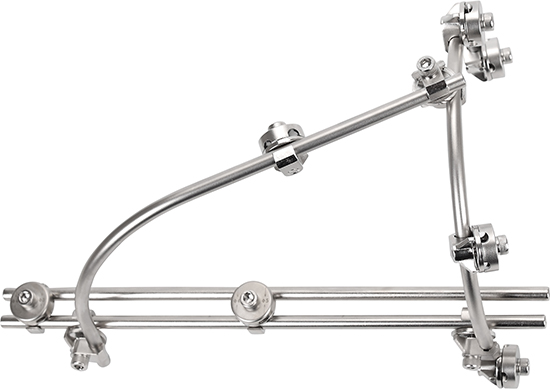
A trauma fixation external fixator is a specialized orthopedic device designed to stabilize and immobilize fractured bones from outside the body. This medical apparatus consists of pins or wires that penetrate the skin and bone, connected to an external framework of bars and clamps that maintain proper bone alignment during the healing process. The trauma fixation external fixator serves as a critical solution for complex fractures, particularly those involving severe soft tissue damage, open fractures, or situations where internal fixation methods are not suitable. The device operates by creating a stable mechanical environment that allows bone regeneration while providing access to wounds for treatment and monitoring. Modern trauma fixation external fixator systems incorporate modular components that enable surgeons to customize configurations based on specific injury patterns and anatomical requirements. These devices are commonly applied to long bone fractures in the tibia, femur, radius, and ulna, as well as complex pelvic and periarticular fractures. The technology features adjustable components that permit gradual correction of deformities and length discrepancies through controlled mechanical manipulation. Healthcare professionals rely on the trauma fixation external fixator for both temporary stabilization in emergency situations and definitive treatment in challenging cases. The system's versatility extends to limb lengthening procedures, bone transport techniques, and correction of non-unions or malunions, making it an indispensable tool in modern trauma surgery and orthopedic reconstruction.

New Product Recommendations

The trauma fixation external fixator delivers significant practical benefits that directly address the needs of healthcare providers and patients facing complex bone injuries. First, this device offers exceptional accessibility to injured soft tissues, allowing medical teams to monitor wounds, change dressings, and perform necessary interventions without removing the stabilization system. This advantage proves particularly valuable when treating open fractures with contaminated wounds that require frequent cleaning and assessment. Second, the system provides immediate mechanical stability without requiring extensive surgical dissection, which reduces operative time and minimizes additional trauma to already compromised tissues. Patients benefit from shorter anesthesia exposure and decreased surgical risks compared to extensive internal fixation procedures. Third, the adjustable nature of the trauma fixation external fixator enables progressive correction of bone alignment and length after the initial application, offering flexibility that internal devices cannot match. Healthcare facilities appreciate the cost-effectiveness when the device serves as temporary stabilization before definitive treatment, avoiding expensive implants in unstable patients. The system proves ideal for patients with polytrauma, severe burns, or vascular injuries where internal hardware placement carries excessive risk. Emergency departments value the rapid application capability that stabilizes critically injured patients quickly, facilitating safe transport and preventing further damage. Long-term applications demonstrate reliability in managing infected non-unions and complex reconstructive cases where traditional methods have failed. The trauma fixation external fixator also accommodates weight-bearing protocols earlier in rehabilitation, promoting faster functional recovery and reducing complications associated with prolonged immobilization. Overall, this technology represents a practical, adaptable solution that improves outcomes while simplifying complex orthopedic challenges.

Practical Tips

What Are the Differences Between Monoaxial and Polyaxial Pedicle Screw?

02

Jun

What Are the Differences Between Monoaxial and Polyaxial Pedicle Screw?

In spinal surgery, choosing the right implant can directly influence surgical outcomes, patient recovery, and long-term construct stability. Among the most critical decisions a spine surgeon faces is selecting the appropriate type of pedicle screw fo...
View More
Why Is Pedicle Screw Accuracy Critical in Minimally Invasive Spine Surgery?

02

Jun

Why Is Pedicle Screw Accuracy Critical in Minimally Invasive Spine Surgery?

In the evolving landscape of spinal surgery, precision is not merely a technical preference — it is a clinical imperative. The pedicle screw has become the cornerstone of modern spinal fixation systems, offering surgeons a reliable anchor point...
View More
How to Choose the Right Pedicle Screw Size for Lumbar Fusion Procedures?

02

Jun

How to Choose the Right Pedicle Screw Size for Lumbar Fusion Procedures?

Selecting the correct pedicle screw size for lumbar fusion procedures is one of the most consequential decisions a spine surgeon makes during operative planning. The diameter, length, and thread design of each pedicle screw directly influence fixatio...
View More
How Does Spinal Screw Design Enhance Mechanical Strength and Fixation?

06

Jul

How Does Spinal Screw Design Enhance Mechanical Strength and Fixation?

In modern spinal surgery, the pedicle screw is one of the most critical implants used to stabilize the vertebral column. Whether the procedure involves deformity correction, fracture management, or spinal fusion, the pedicle screw serves as the prima...
View More

Get a Free Quote

Our representative will contact you soon.
Email
Name
Company Name
Message
0/1000

trauma fixation external fixator

Advanced Modular Design for Customized Treatment

Advanced Modular Design for Customized Treatment

The trauma fixation external fixator features a sophisticated modular architecture that empowers surgeons to create patient-specific configurations tailored to unique injury patterns and anatomical variations. This design flexibility stems from interchangeable components including various pin types, connecting rods of different lengths, multi-planar clamps, and specialized joints that accommodate complex three-dimensional positioning. Surgeons can rapidly assemble configurations ranging from simple uniplanar frames for straightforward fractures to intricate circular or hybrid constructs for severe periarticular injuries. The modular system allows intraoperative adjustments without compromising stability, enabling real-time optimization based on fluoroscopic imaging and biomechanical assessment. This adaptability extends throughout the treatment course, as components can be added, removed, or repositioned to address evolving clinical needs without subjecting patients to additional major procedures. The trauma fixation external fixator's modular nature also reduces inventory requirements for healthcare facilities, as a standardized set of versatile components serves diverse applications rather than requiring specialized systems for each injury type. This technological approach translates to improved surgical efficiency, enhanced treatment precision, and better resource utilization across orthopedic departments.
Minimally Invasive Application with Maximum Stability

Minimally Invasive Application with Maximum Stability

The trauma fixation external fixator achieves optimal bone stabilization through minimally invasive techniques that preserve vital soft tissue structures and vascular supply essential for healing. Unlike extensive open reduction procedures that require large incisions and soft tissue stripping, this system employs percutaneous pin or wire insertion through small skin incisions, maintaining the biological environment around the fracture site. The external framework bears all mechanical loads, eliminating the need for large implants within the injury zone that could interfere with blood flow or increase infection risk. This approach proves particularly advantageous in patients with compromised soft tissue envelopes, where traditional internal fixation would further jeopardize already tenuous healing conditions. The trauma fixation external fixator provides immediate rigid stability comparable to internal devices while offering superior access for wound management and soft tissue reconstruction procedures. The minimally invasive methodology reduces surgical trauma, decreases blood loss, shortens operative time, and accelerates overall recovery by preserving the natural healing biology. Patients experience less postoperative pain, reduced scarring, and fewer complications related to surgical exposure, making this technology especially valuable for elderly patients or those with multiple comorbidities who cannot tolerate extensive surgical interventions.
Dynamic Adjustment Capabilities for Optimal Outcomes

Dynamic Adjustment Capabilities for Optimal Outcomes

The trauma fixation external fixator incorporates dynamic adjustment mechanisms that enable precise post-application modifications to bone position, length, and alignment without additional surgery. This unique capability allows gradual correction of deformities through controlled daily adjustments, a technique particularly valuable for addressing shortened limbs, angular malformations, or rotational abnormalities that become apparent during the healing process. Surgeons can implement bone transport protocols where new bone forms in the gap created by slowly moving bone segments apart, effectively treating segmental defects that would otherwise require complex grafting procedures. The adjustment features also facilitate compression or distraction at fracture sites, optimizing mechanical environments to promote union in difficult cases. Healthcare providers can modify the frame configuration in clinic settings rather than operating rooms, reducing costs and patient burden while maintaining therapeutic progress. The trauma fixation external fixator's dynamic nature supports individualized rehabilitation protocols, allowing gradual increases in weight-bearing as healing progresses and enabling functional activity earlier than rigid systems permit. This adaptability throughout the entire treatment continuum distinguishes the device from static fixation methods, providing clinicians with powerful tools to address complications and optimize results based on each patient's healing response and functional goals.

Get a Free Quote

Our representative will contact you soon.
Email
Name
Company Name
Message
0/1000
Newsletter
Please Leave A Message With Us