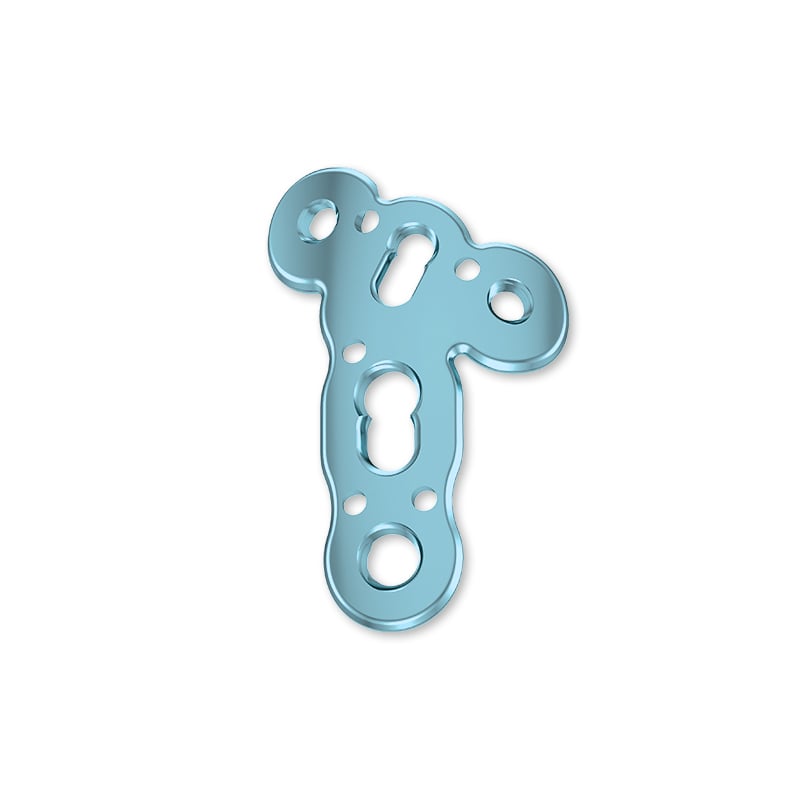
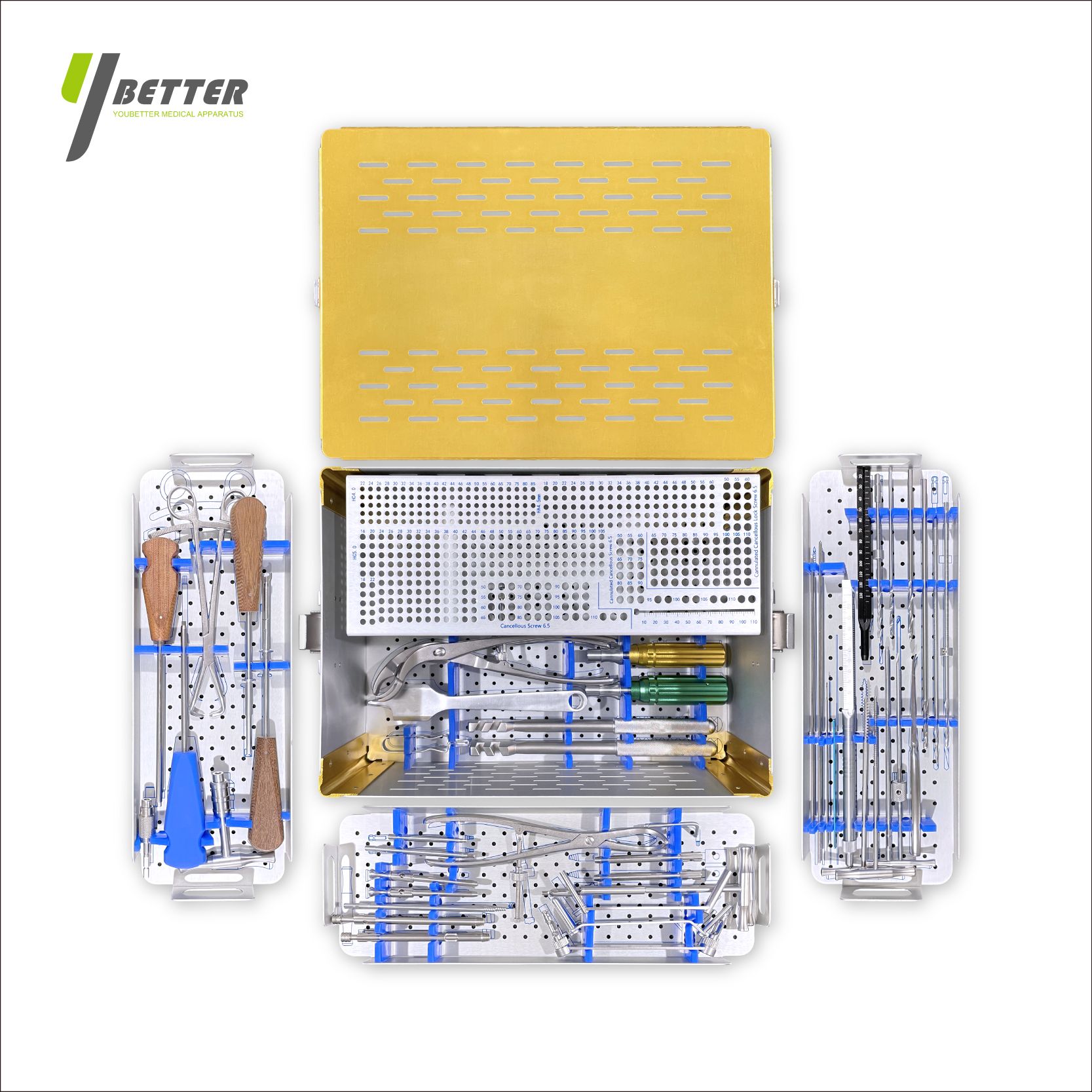
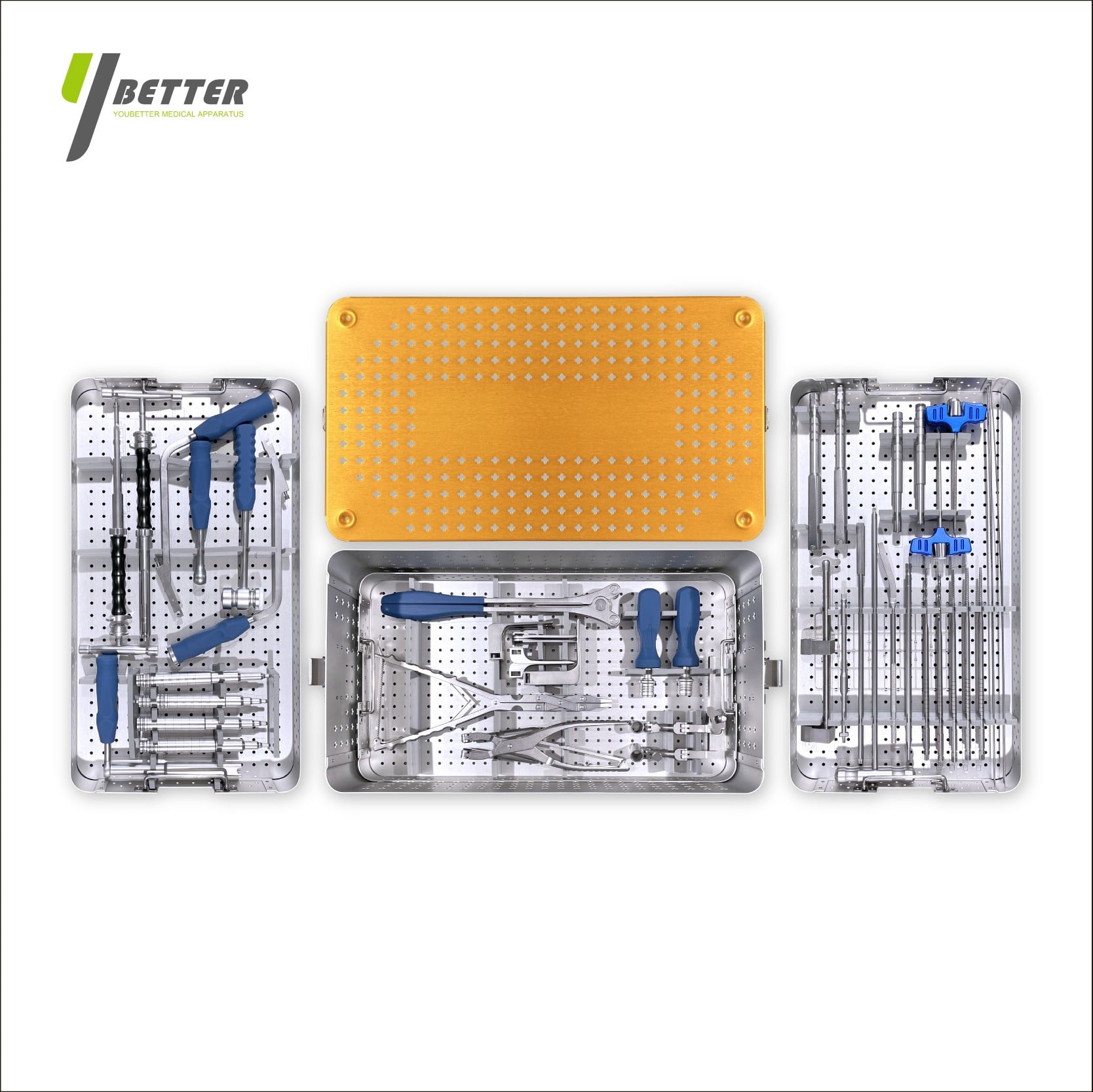
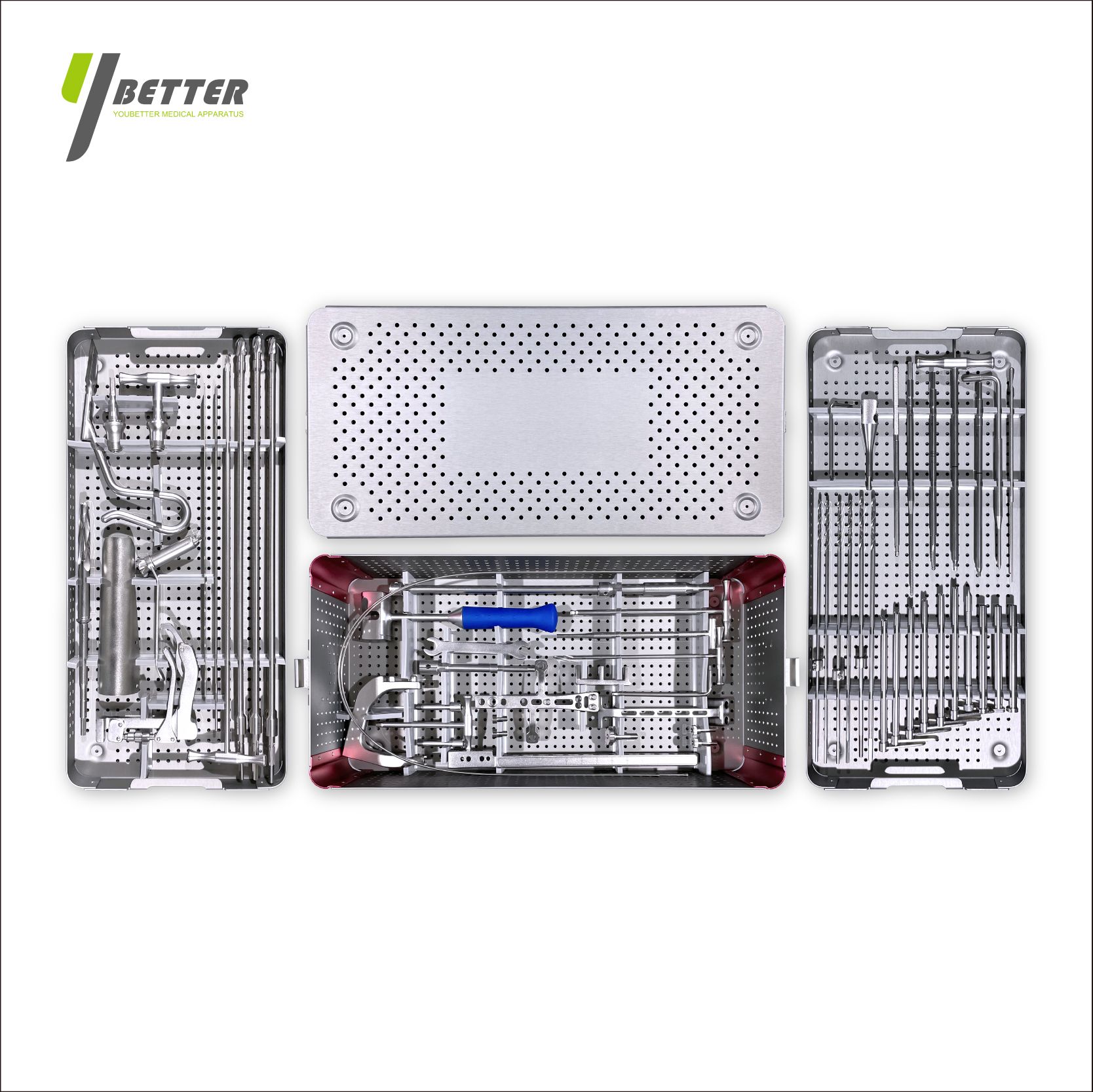
Advanced External Fixator Solutions

All Categories

Get a Free Quote

Our representative will contact you soon.
Email
Name
Company Name
Message
0/1000

advanced external fixator

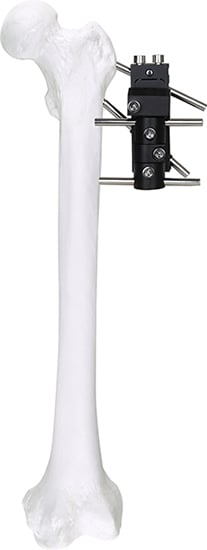
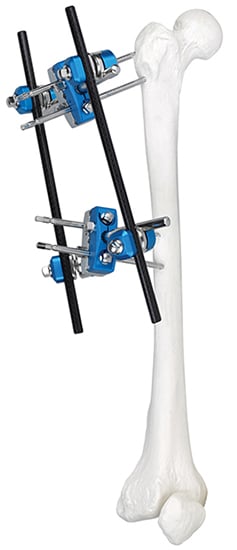
The advanced external fixator represents a breakthrough in orthopedic trauma care and bone reconstruction surgery. This sophisticated medical device provides surgeons with a versatile, minimally invasive solution for stabilizing complex fractures, correcting bone deformities, and facilitating limb lengthening procedures. Unlike traditional internal fixation methods, the advanced external fixator allows for precise adjustment and modification throughout the treatment process without requiring additional surgical interventions. The system consists of strategically positioned pins or wires that penetrate the bone and connect to an external frame, creating a stable mechanical structure that supports proper bone alignment during healing. Modern designs incorporate radiolucent materials that enable clear visualization during imaging procedures, allowing medical professionals to monitor healing progress accurately. The advanced external fixator excels in managing open fractures, infected nonunions, and polytrauma cases where soft tissue damage complicates internal fixation options. Its modular architecture accommodates various anatomical locations including the pelvis, femur, tibia, and upper extremities. Clinical applications extend beyond trauma care to include pediatric limb length discrepancy correction, arthrodesis procedures, and complex reconstructive surgeries. The device's ability to provide controlled compression, distraction, and rotational adjustment makes it invaluable for gradual correction protocols. Healthcare facilities worldwide have adopted this technology due to its proven efficacy in reducing complications, shortening recovery times, and improving patient outcomes in challenging orthopedic cases.

New Products

Patients benefit significantly from the advanced external fixator through reduced surgical trauma and faster initial recovery. The minimally invasive application technique preserves soft tissue integrity, decreasing infection risks compared to extensive open surgical approaches. This external stabilization method eliminates the need for large incisions, resulting in less postoperative pain and reduced scarring. Healthcare providers appreciate the device's adjustability, which allows progressive correction of deformities and fracture alignment without returning patients to the operating room. This capability translates into substantial cost savings for medical facilities while improving patient comfort and satisfaction. The advanced external fixator accommodates complex three-dimensional corrections that would be difficult or impossible with internal hardware alone. Surgeons can make incremental adjustments based on healing progression and radiographic findings, optimizing treatment outcomes through personalized care pathways. The system's compatibility with immediate weight-bearing protocols in selected cases accelerates rehabilitation and helps prevent muscle atrophy and joint stiffness. For facilities treating high volumes of trauma patients, the advanced external fixator offers rapid application in emergency situations, providing immediate fracture stabilization that can be definitively managed or converted to internal fixation once soft tissue conditions improve. The transparent treatment process allows patients to visualize their healing progress, increasing engagement and compliance with prescribed care regimens. Medical teams value the reduced operative time compared to complex internal fixation procedures, improving surgical efficiency and patient throughput. The device's versatility across multiple anatomical regions reduces inventory requirements, as a single system can address diverse clinical scenarios from pediatric deformity correction to geriatric fracture management, making it a practical investment for comprehensive orthopedic departments.

Latest News

What Are the Differences Between Monoaxial and Polyaxial Pedicle Screw?

02

Jun

What Are the Differences Between Monoaxial and Polyaxial Pedicle Screw?

In spinal surgery, choosing the right implant can directly influence surgical outcomes, patient recovery, and long-term construct stability. Among the most critical decisions a spine surgeon faces is selecting the appropriate type of pedicle screw fo...
View More
How Does Spinal Screw Design Enhance Mechanical Strength and Fixation?

06

Jul

How Does Spinal Screw Design Enhance Mechanical Strength and Fixation?

In modern spinal surgery, the pedicle screw is one of the most critical implants used to stabilize the vertebral column. Whether the procedure involves deformity correction, fracture management, or spinal fusion, the pedicle screw serves as the prima...
View More
How to Optimize Pedicle Screw Placement for Better Surgical Outcomes?

06

Jul

How to Optimize Pedicle Screw Placement for Better Surgical Outcomes?

Achieving precise pedicle screw placement is one of the most critical skills in modern spinal surgery. When pedicle screw placement is performed accurately, it creates a stable fixation point that supports spinal fusion, corrects deformity, and reduc...
View More
How Can Distributors Assess Pedicle Screw Supplier Reliability?

06

Jul

How Can Distributors Assess Pedicle Screw Supplier Reliability?

Choosing the right pedicle screw supplier is one of the most consequential decisions a medical device distributor can make. A pedicle screw supplier directly affects patient safety, regulatory standing, and the commercial reputation of every distribu...
View More

Get a Free Quote

Our representative will contact you soon.
Email
Name
Company Name
Message
0/1000

advanced external fixator

Precision Adjustment Capability

Precision Adjustment Capability

The advanced external fixator delivers unparalleled precision in bone alignment and deformity correction through its sophisticated adjustment mechanisms. Surgeons can make controlled movements in six axes of freedom, allowing millimeter-level accuracy in positioning bone fragments and correcting complex multiplanar deformities. This precision proves especially valuable in limb lengthening procedures where gradual distraction occurs at rates as slow as one millimeter per day, stimulating new bone formation through distraction osteogenesis. The adjustment capability extends throughout the entire treatment period, enabling clinicians to respond dynamically to healing patterns and patient-specific factors. Advanced locking mechanisms maintain achieved corrections reliably while still permitting future modifications when clinically indicated. This feature dramatically improves outcomes in cases of malunion correction, where previous fractures healed in suboptimal positions. Patients experience better functional results and improved quality of life when their limbs are restored to proper anatomical alignment. The ability to adjust the advanced external fixator without anesthesia or additional surgery reduces healthcare costs and eliminates risks associated with repeated operative interventions, representing a significant advantage over rigid internal fixation systems that cannot be modified after implantation.
Enhanced Infection Management

Enhanced Infection Management

The advanced external fixator provides superior infection control advantages in contaminated or high-risk orthopedic injuries. Open fractures with significant soft tissue damage benefit enormously from external stabilization that avoids placing foreign materials deep within compromised tissue planes. The external positioning of hardware components allows thorough wound inspection, debridement, and dressing changes without disturbing fracture stability. Medical teams can directly visualize pin sites and intervene promptly at the first signs of superficial infection before it progresses to deeper structures. This accessibility facilitates aggressive soft tissue management protocols including negative pressure wound therapy and serial irrigation procedures that would be incompatible with internal fixation hardware. In cases where infection already exists, the advanced external fixator enables fracture stabilization while simultaneously allowing infection eradication through antibiotic therapy and surgical debridement. The device's materials resist biofilm formation better than internal implants, and if pin site issues develop, individual pins can be relocated without compromising overall frame stability. This infection management capability makes the advanced external fixator the preferred choice for contaminated injuries, infected nonunions, and salvage procedures where internal hardware has failed due to septic complications, ultimately preserving limbs that might otherwise require amputation.
Versatile Clinical Applications

Versatile Clinical Applications

The advanced external fixator demonstrates remarkable versatility across diverse orthopedic conditions and patient populations. Trauma surgeons rely on this device for managing complex pelvic ring disruptions, periarticular fractures, and severe bone loss scenarios where conventional fixation proves inadequate. Pediatric orthopedists utilize the system extensively for correcting congenital limb length discrepancies and angular deformities, taking advantage of its gradual correction capabilities that accommodate growing bones. Reconstructive specialists employ the advanced external fixator in arthrodesis procedures, achieving solid fusion while protecting compromised soft tissue envelopes. The device adapts seamlessly from temporary damage control applications in polytrauma patients to definitive treatment of isolated extremity injuries. Its modular design accepts various ring sizes, strut configurations, and connection options, allowing customization for anatomical variations and specific surgical goals. Sports medicine applications include fracture management in athletes requiring accelerated return to activity, where the advanced external fixator's low profile and external positioning minimize interference with rehabilitation exercises. Geriatric patients with poor bone quality benefit from the load-sharing characteristics that reduce stress on fragile bone structures. This broad applicability across age groups, injury patterns, and treatment objectives makes the advanced external fixator an essential component of comprehensive orthopedic care delivery systems.

Get a Free Quote

Our representative will contact you soon.
Email
Name
Company Name
Message
0/1000
Newsletter
Please Leave A Message With Us