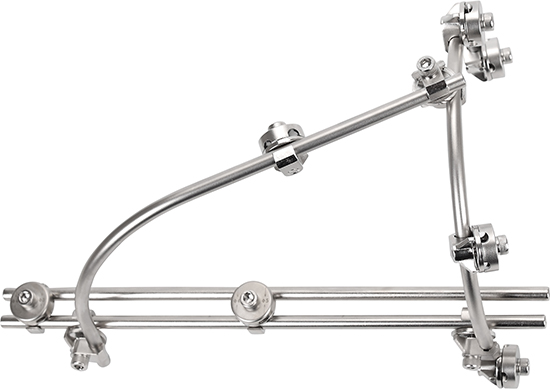
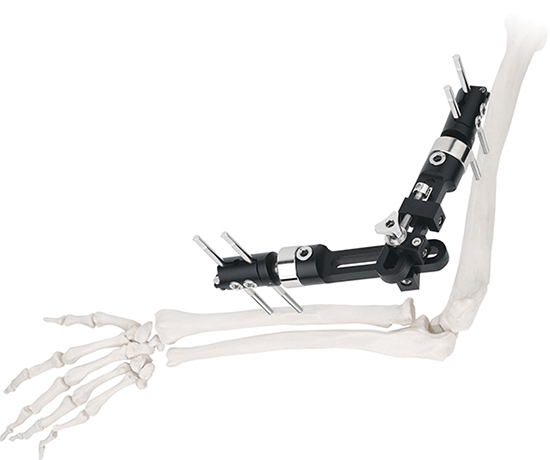
Bone Fracture External Fixator System Solutions

All Categories

Get a Free Quote

Our representative will contact you soon.
Email
Name
Company Name
Message
0/1000

bone fracture external fixator system

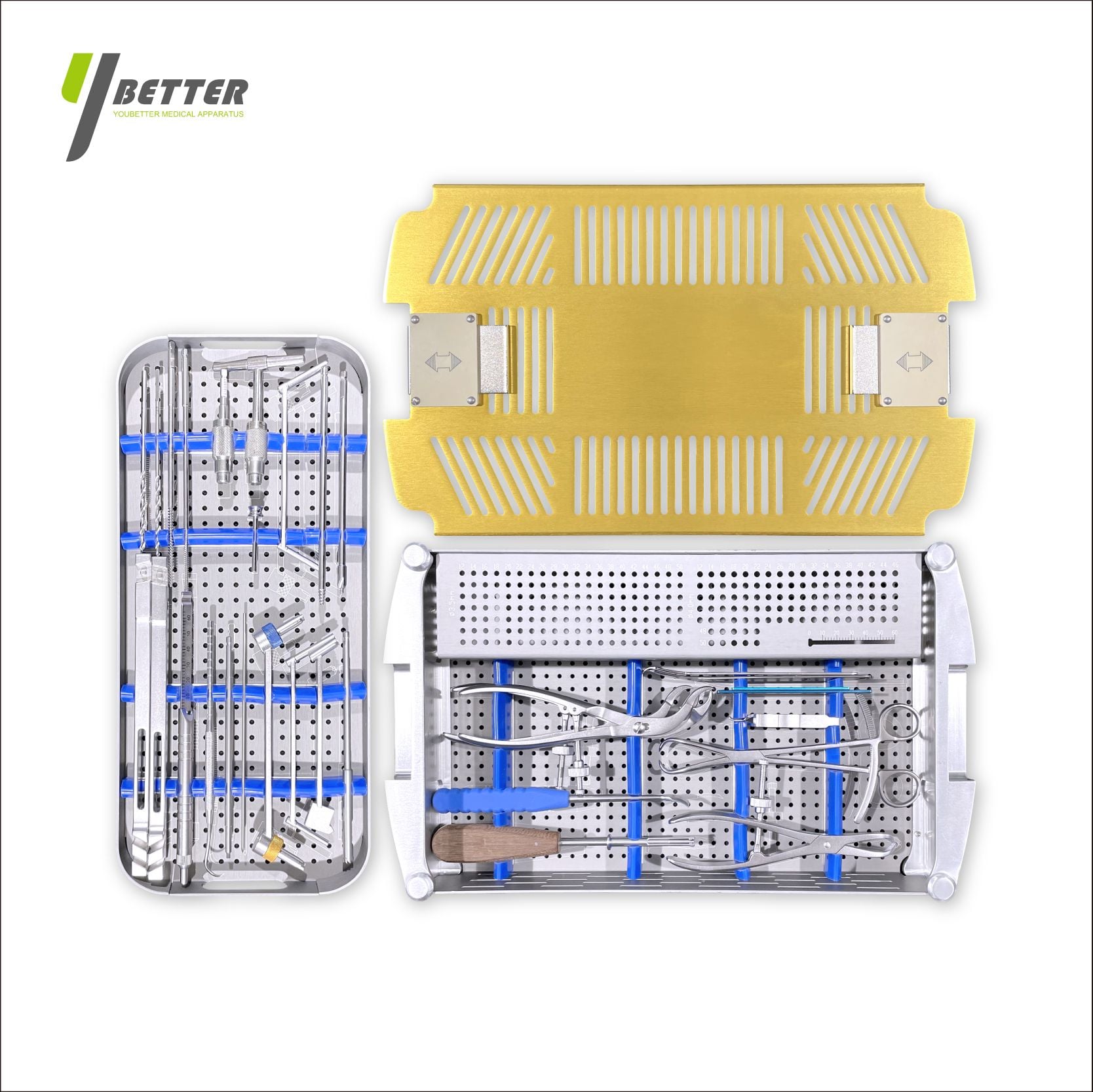
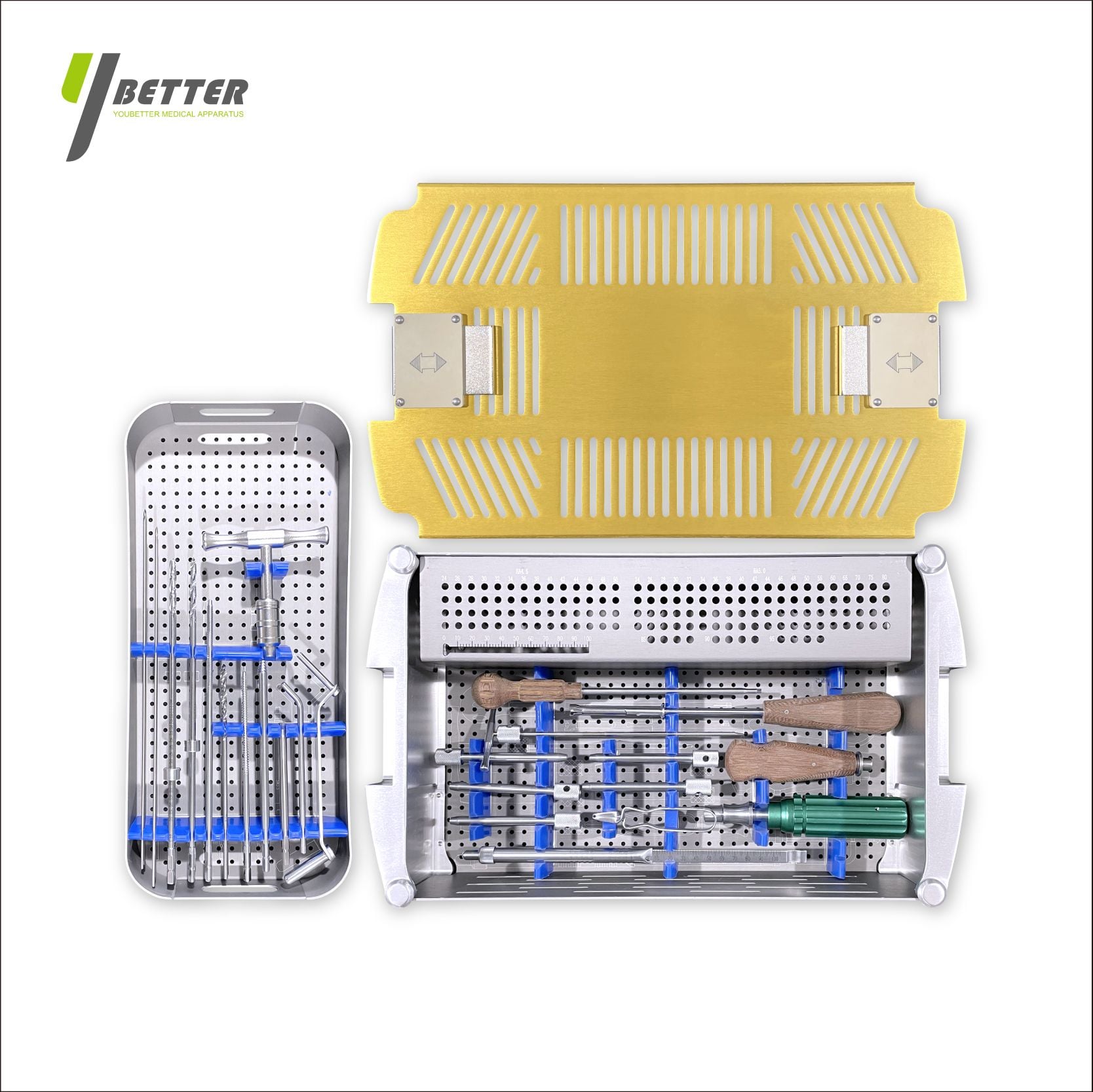
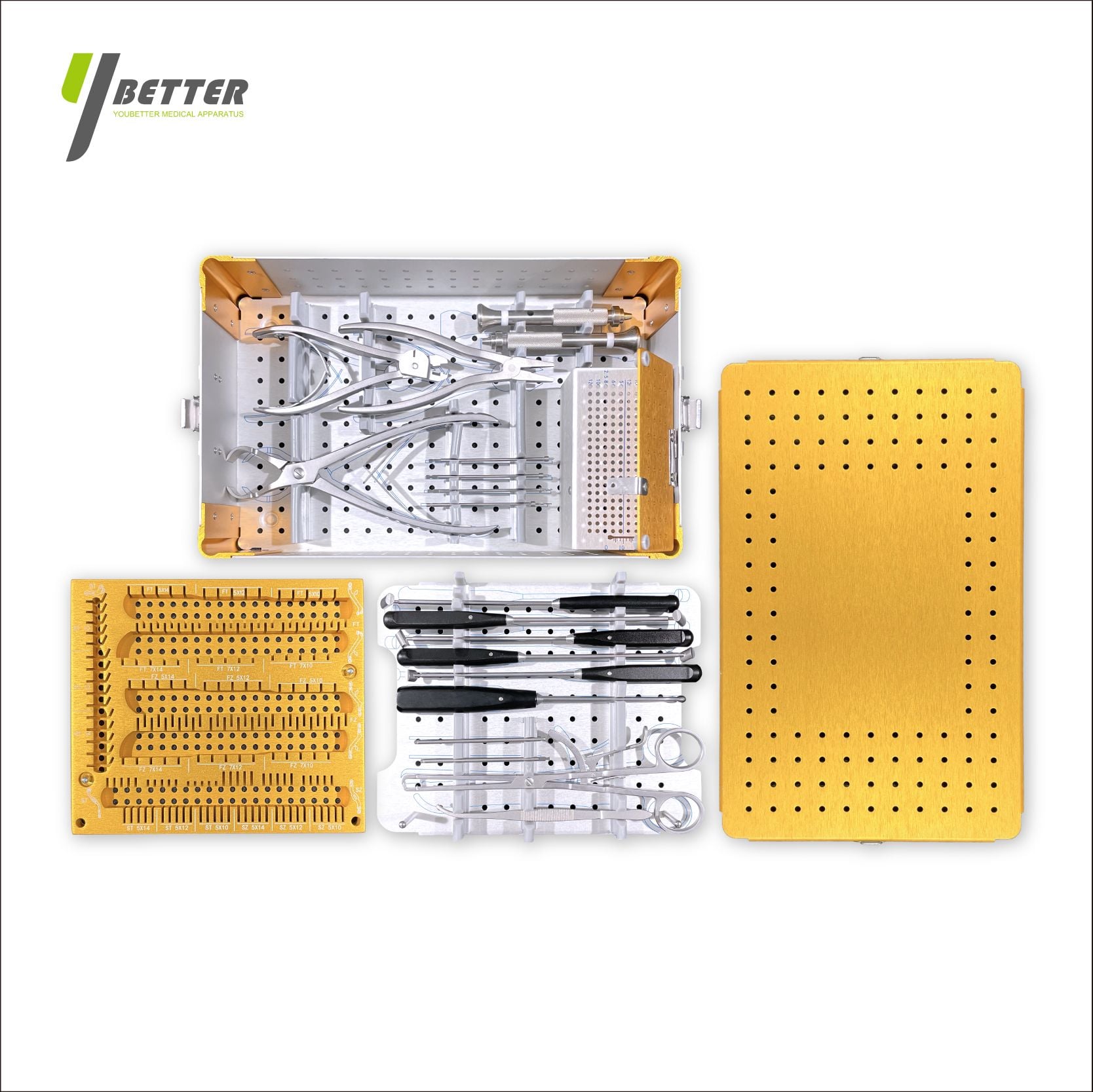
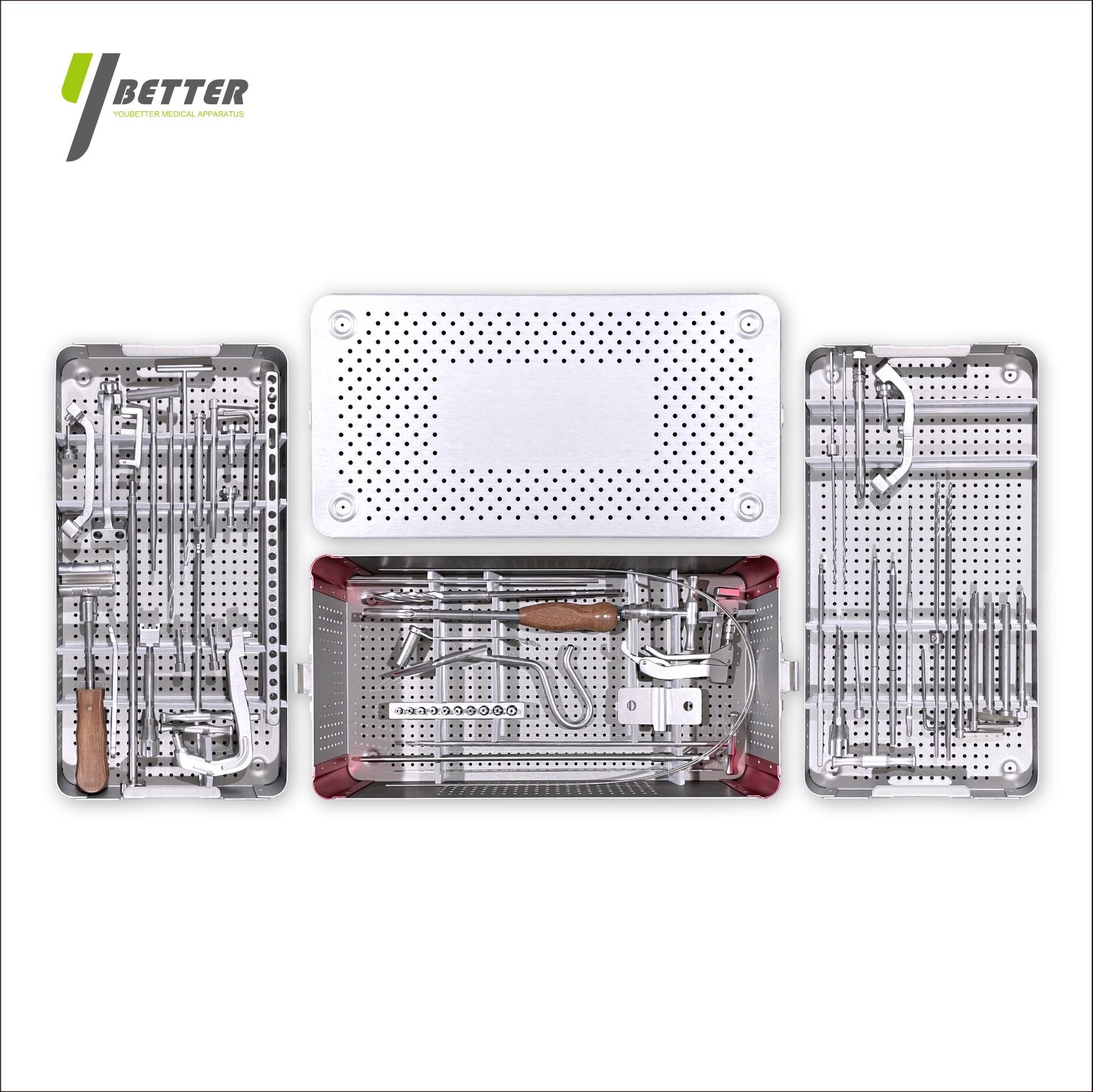
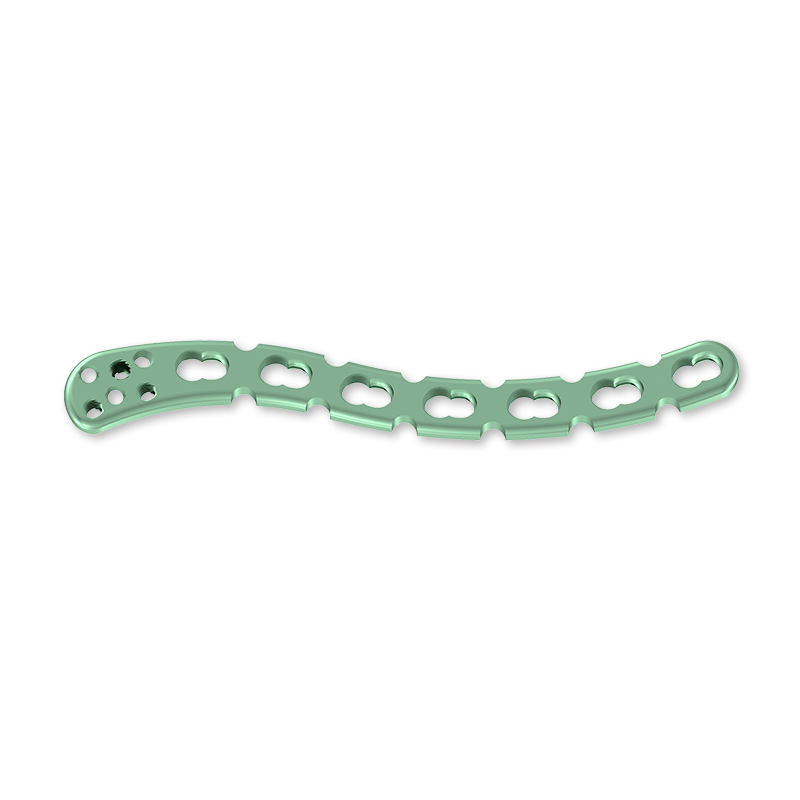
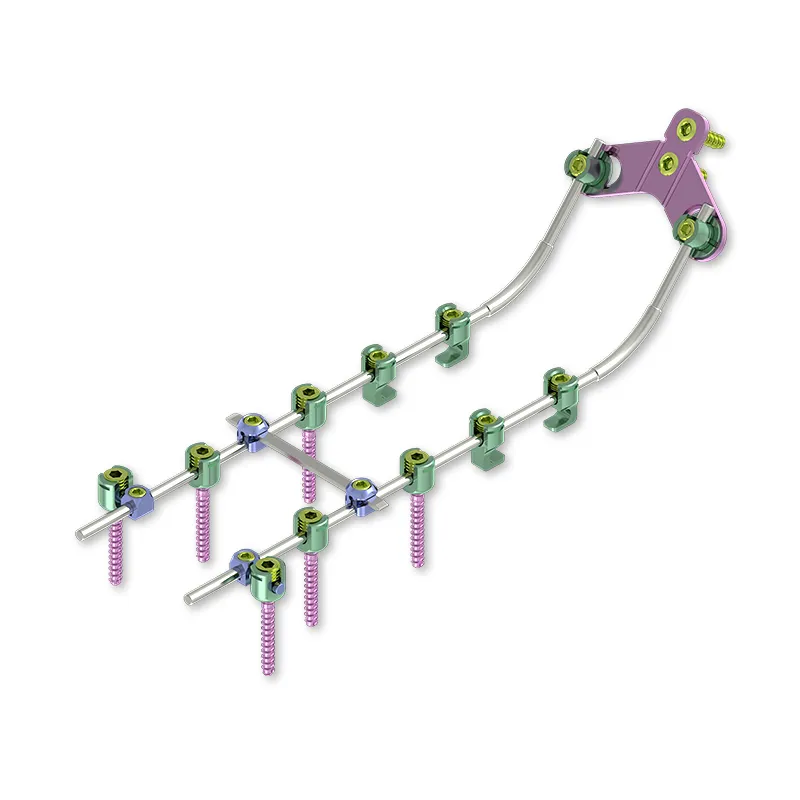
A bone fracture external fixator system is a sophisticated orthopedic medical device designed to stabilize and support broken bones from outside the body during the healing process. This advanced system consists of metal pins or wires that are surgically inserted into the bone above and below the fracture site, which are then connected to an external frame made of adjustable rods and clamps. The bone fracture external fixator system serves as a temporary or permanent solution for complex fractures that cannot be effectively treated with traditional casting or internal fixation methods. Its primary functions include maintaining proper bone alignment, facilitating controlled compression or distraction, and allowing healthcare professionals to make precise adjustments throughout the recovery period without additional surgical interventions. The technological features of this system incorporate modular components that enable customized configurations for various anatomical locations and fracture patterns. Modern designs utilize lightweight yet durable materials such as carbon fiber and medical-grade aluminum alloys, reducing patient discomfort while maintaining structural integrity. The bone fracture external fixator system finds extensive applications in treating open fractures with significant soft tissue damage, infected fractures requiring wound access, limb lengthening procedures, bone deformity corrections, and cases involving multiple trauma where internal fixation poses increased risks. Its versatility extends to pediatric and adult patients across diverse clinical scenarios, making it an indispensable tool in contemporary orthopedic trauma management and reconstructive surgery.

New Product Releases

The bone fracture external fixator system delivers substantial practical benefits that directly impact patient outcomes and clinical efficiency. First, this system provides immediate fracture stabilization without extensive surgical dissection, minimizing additional trauma to already compromised soft tissues and reducing infection risks compared to internal fixation methods. Patients experience faster initial treatment since the bone fracture external fixator system can be applied quickly in emergency situations, potentially preventing complications from delayed stabilization. The external positioning allows doctors and nurses to easily monitor wound healing, change dressings, and perform necessary interventions without removing the fixation hardware, which proves invaluable when managing open fractures or infection-prone cases. Another significant operational benefit involves the adjustability feature that permits gradual correction of bone alignment and length without requiring additional surgeries. Healthcare providers can fine-tune the configuration during follow-up appointments, optimizing healing conditions and correcting deformities progressively. This adaptability translates to cost savings by eliminating repeat operating room procedures and associated anesthesia risks. The bone fracture external fixator system suits applications ranging from simple fractures in osteoporotic bones to complex reconstructions following severe trauma or tumor removal. It accommodates pediatric growth considerations and accommodates patients with conditions that contraindicate internal hardware placement, such as severe osteoporosis or systemic infections. For purchasing decisions, hospitals and clinics benefit from the system's reusable frame components, reducing long-term supply costs while maintaining high-quality patient care. The modular design means facilities can stock versatile components suitable for multiple fracture types rather than maintaining extensive specialized inventory, optimizing budget allocation and storage requirements while ensuring readiness for diverse orthopedic emergencies.

Tips And Tricks

How Do Orthopedic Implants Enhance Fracture Healing and Recovery?

02

Jun

How Do Orthopedic Implants Enhance Fracture Healing and Recovery?

When a bone fractures, the body initiates a complex biological cascade aimed at restoring structural integrity and function. However, in many cases, this natural process requires mechanical support to succeed. This is precisely where orthopedic impla...
View More
How Does Spinal Screw Design Enhance Mechanical Strength and Fixation?

06

Jul

How Does Spinal Screw Design Enhance Mechanical Strength and Fixation?

In modern spinal surgery, the pedicle screw is one of the most critical implants used to stabilize the vertebral column. Whether the procedure involves deformity correction, fracture management, or spinal fusion, the pedicle screw serves as the prima...
View More
Why Is Accurate Spinal Screw Placement Crucial for Patient Safety?

06

Jul

Why Is Accurate Spinal Screw Placement Crucial for Patient Safety?

Pedicle screw placement is one of the most technically demanding steps in spinal surgery. When a surgeon positions each screw with precision, the entire construct gains stability, and the patient's recovery is protected from preventable complications...
View More
How Can Distributors Assess Pedicle Screw Supplier Reliability?

06

Jul

How Can Distributors Assess Pedicle Screw Supplier Reliability?

Choosing the right pedicle screw supplier is one of the most consequential decisions a medical device distributor can make. A pedicle screw supplier directly affects patient safety, regulatory standing, and the commercial reputation of every distribu...
View More

Get a Free Quote

Our representative will contact you soon.
Email
Name
Company Name
Message
0/1000

bone fracture external fixator system

Minimally Invasive Stabilization with Maximum Access

Minimally Invasive Stabilization with Maximum Access

The bone fracture external fixator system revolutionizes fracture management by providing robust stabilization through minimal surgical intervention, preserving the biological environment essential for optimal healing. Unlike traditional internal fixation that requires extensive soft tissue dissection and periosteal stripping, this external approach maintains blood supply to the fracture site while achieving comparable or superior stability. The pins penetrate through small percutaneous incisions, dramatically reducing surgical trauma, operative time, and associated complications such as excessive bleeding or iatrogenic tissue damage. This minimally invasive characteristic becomes particularly valuable when treating polytrauma patients whose systemic condition cannot tolerate prolonged anesthesia or extensive procedures. Furthermore, the external positioning grants clinicians unrestricted access to wounds, enabling thorough debridement, frequent dressing changes, and direct visualization of soft tissue healing without compromising fracture stability. This accessibility proves critical in managing open fractures where infection prevention demands meticulous wound care and potential staged reconstructions. Medical teams can perform skin grafting, flap coverage, or vascular repairs while the bone fracture external fixator system maintains alignment, facilitating comprehensive treatment of complex injuries that involve both skeletal and soft tissue components.
Dynamic Adjustment Capability for Optimal Healing

Dynamic Adjustment Capability for Optimal Healing

One of the most compelling advantages of the bone fracture external fixator system lies in its unique ability to allow precise, incremental adjustments throughout the healing process without additional invasive procedures. This dynamic functionality enables orthopedic surgeons to implement controlled compression at the fracture site to stimulate bone formation, or conversely, apply gradual distraction for limb lengthening and bone transport techniques. The external framework features calibrated adjustment mechanisms that permit millimeter-level modifications, allowing practitioners to correct angular deformities, rotational misalignments, or length discrepancies as healing progresses. Patients undergoing limb reconstruction particularly benefit from this feature, as the bone fracture external fixator system can be programmed for gradual distraction osteogenesis, stimulating new bone growth at a controlled rate of approximately one millimeter per day. This eliminates the need for bone grafting in many cases, reducing complications and recovery time. The adjustability also accommodates the natural settling and remodeling that occurs during fracture healing, permitting real-time optimization based on radiographic findings and clinical assessments. For pediatric applications, this adaptability proves invaluable in managing growth plate considerations and accommodating ongoing skeletal development, ensuring that fracture treatment does not compromise future growth potential or create lasting deformities.
Versatile Modular Design for Diverse Clinical Applications

Versatile Modular Design for Diverse Clinical Applications

The bone fracture external fixator system incorporates a thoughtfully engineered modular architecture that delivers exceptional versatility across the full spectrum of orthopedic trauma and reconstructive scenarios. This adaptable design philosophy employs interchangeable components including pins of varying diameters and lengths, connecting rods with adjustable angles, and specialized clamps that accommodate different anatomical configurations. Surgeons can rapidly assemble custom configurations tailored to specific fracture patterns, anatomical locations, and patient-specific factors such as bone quality and soft tissue conditions. The system effectively addresses fractures in virtually any long bone including the femur, tibia, humerus, radius, and ulna, as well as complex pelvic and periarticular injuries that challenge conventional fixation methods. Specialized modules enable treatment of pediatric patients with smaller bone structures while maintaining the stability required for proper healing. The bone fracture external fixator system also proves essential in managing infected nonunions, where removing internal hardware becomes necessary but fracture stability must be maintained throughout treatment. Its compatibility with computed tomography and magnetic resonance imaging facilitates ongoing monitoring without artifact interference, supporting evidence-based treatment decisions. The reusable frame components offer economic advantages for healthcare facilities, as sterilized parts can serve multiple patients, while single-use pins and patient-contacting elements ensure infection control standards.

Get a Free Quote

Our representative will contact you soon.
Email
Name
Company Name
Message
0/1000
Newsletter
Please Leave A Message With Us