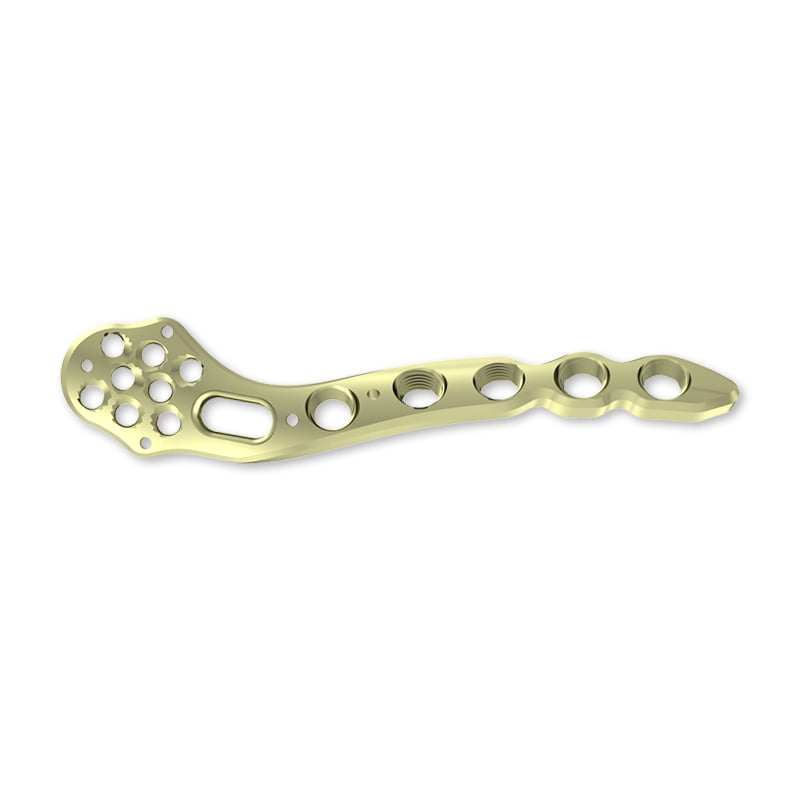
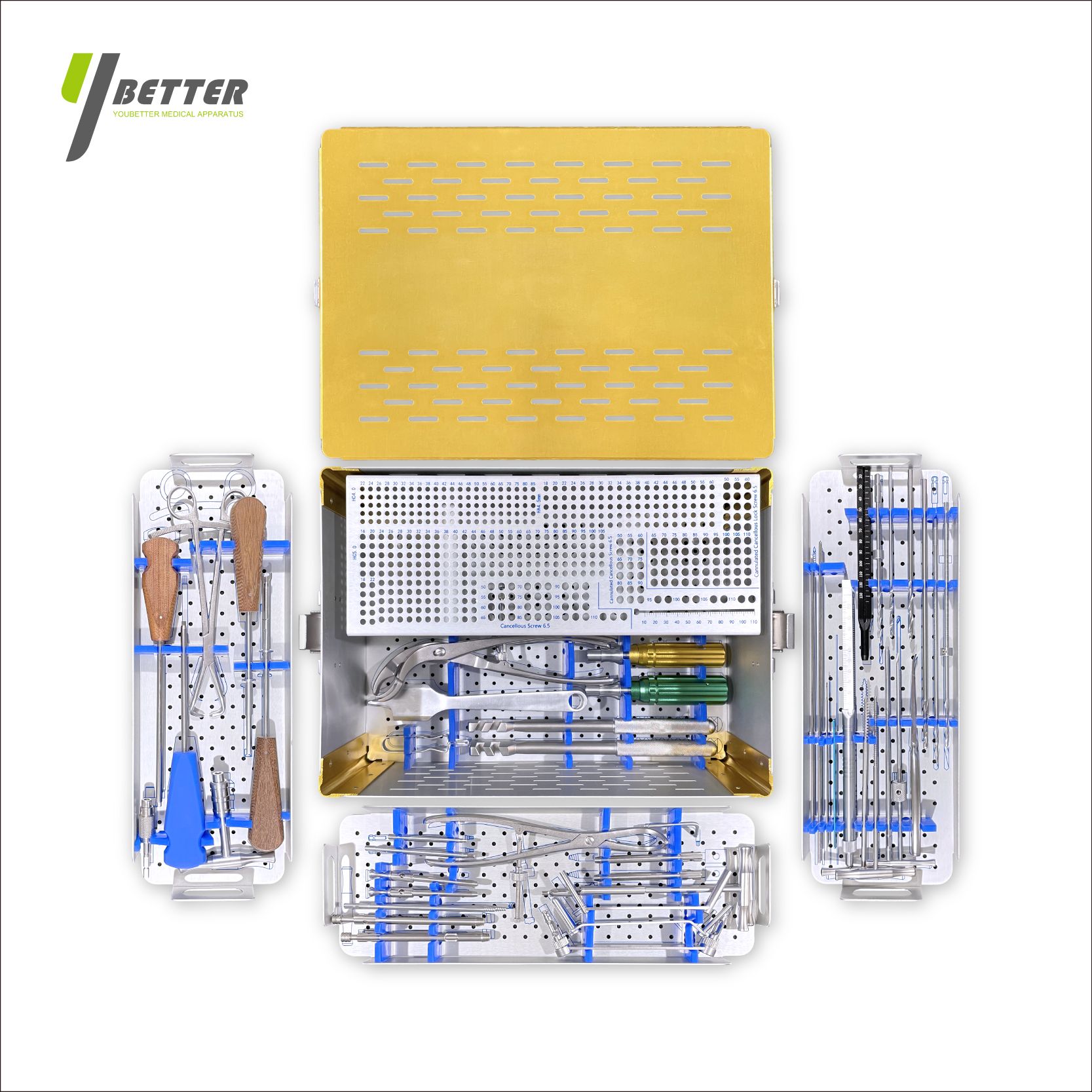
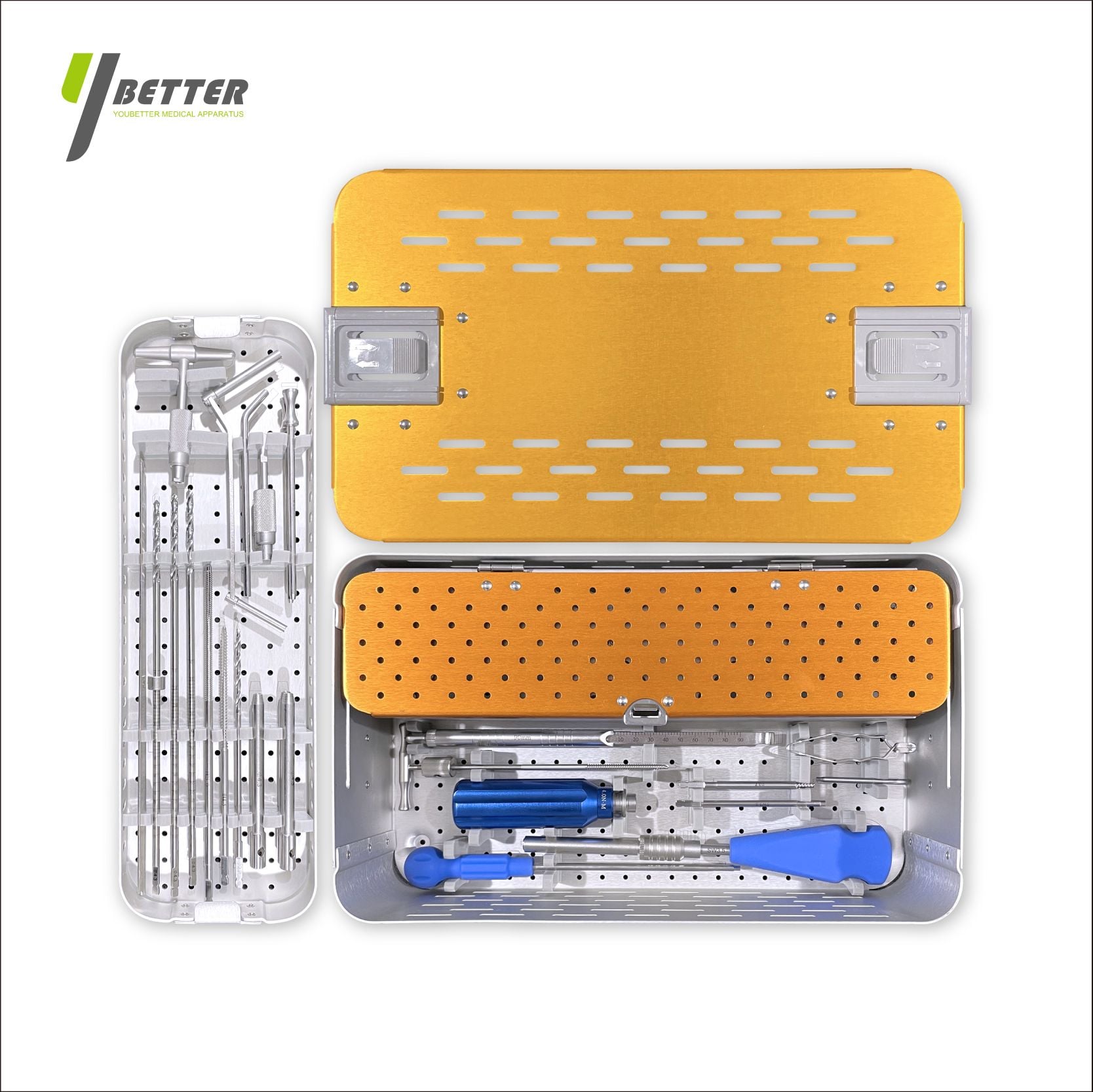
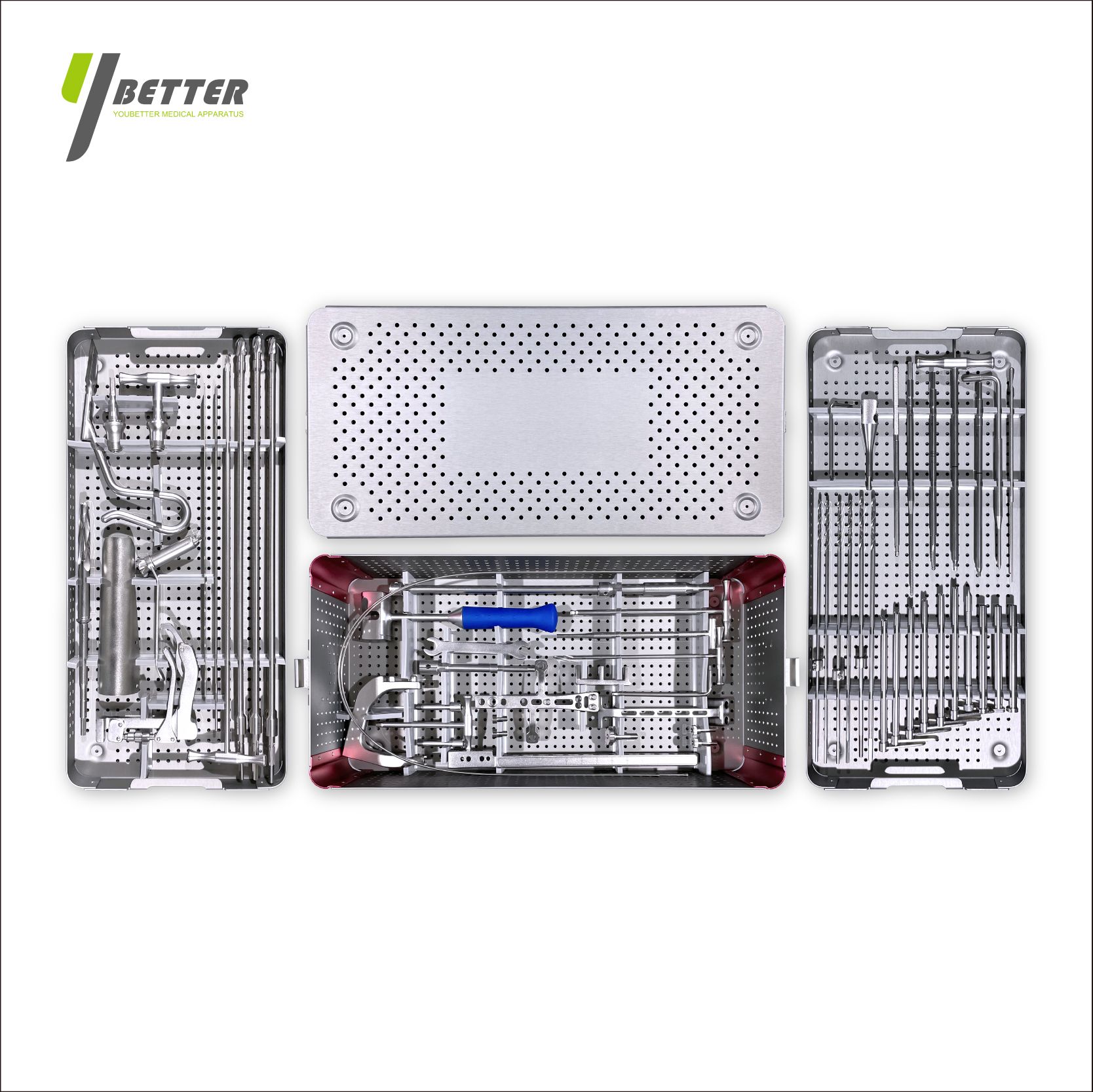
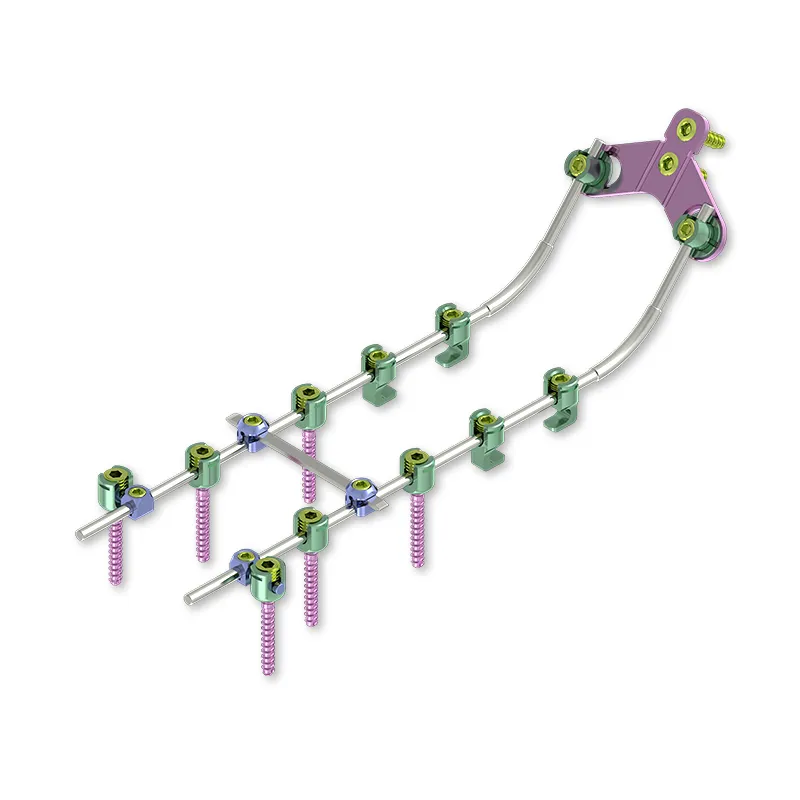
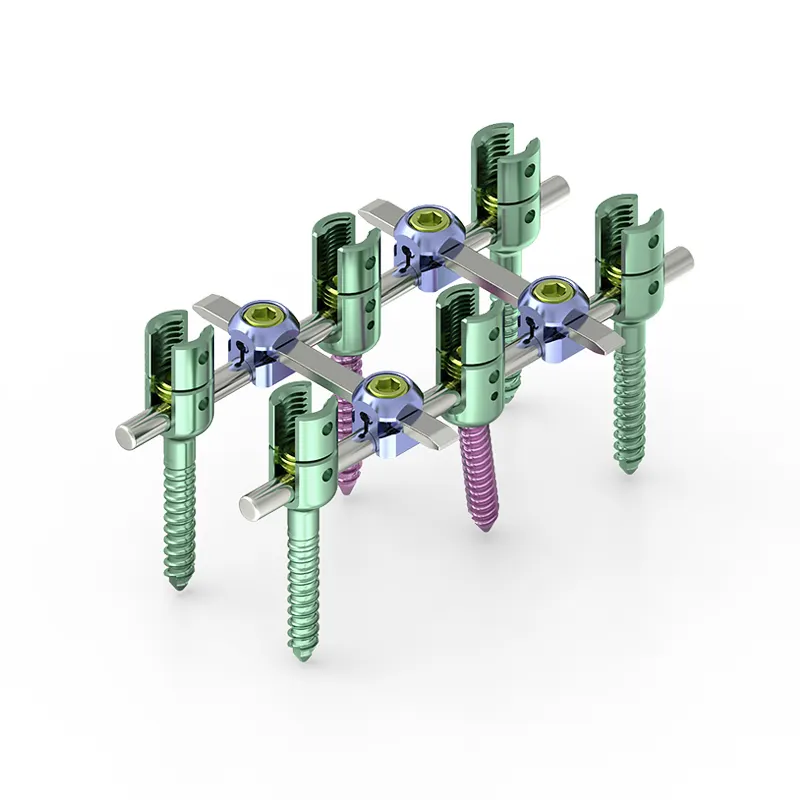
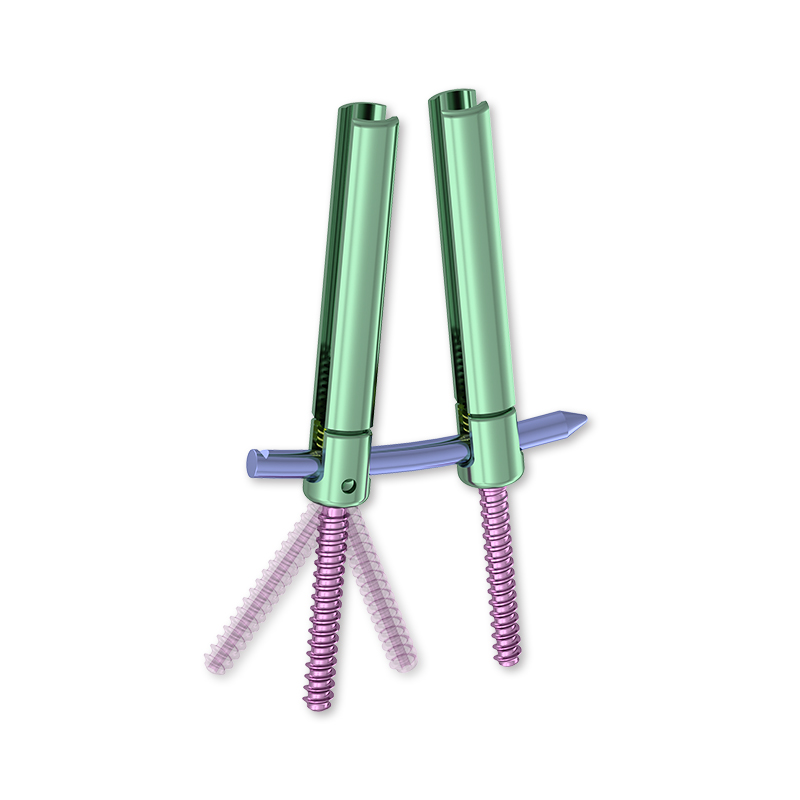
Bone Fixation Cannulated Screw Solutions

All Categories

Get a Free Quote

Our representative will contact you soon.
Email
Name
Company Name
Message
0/1000

bone fixation cannulated screw

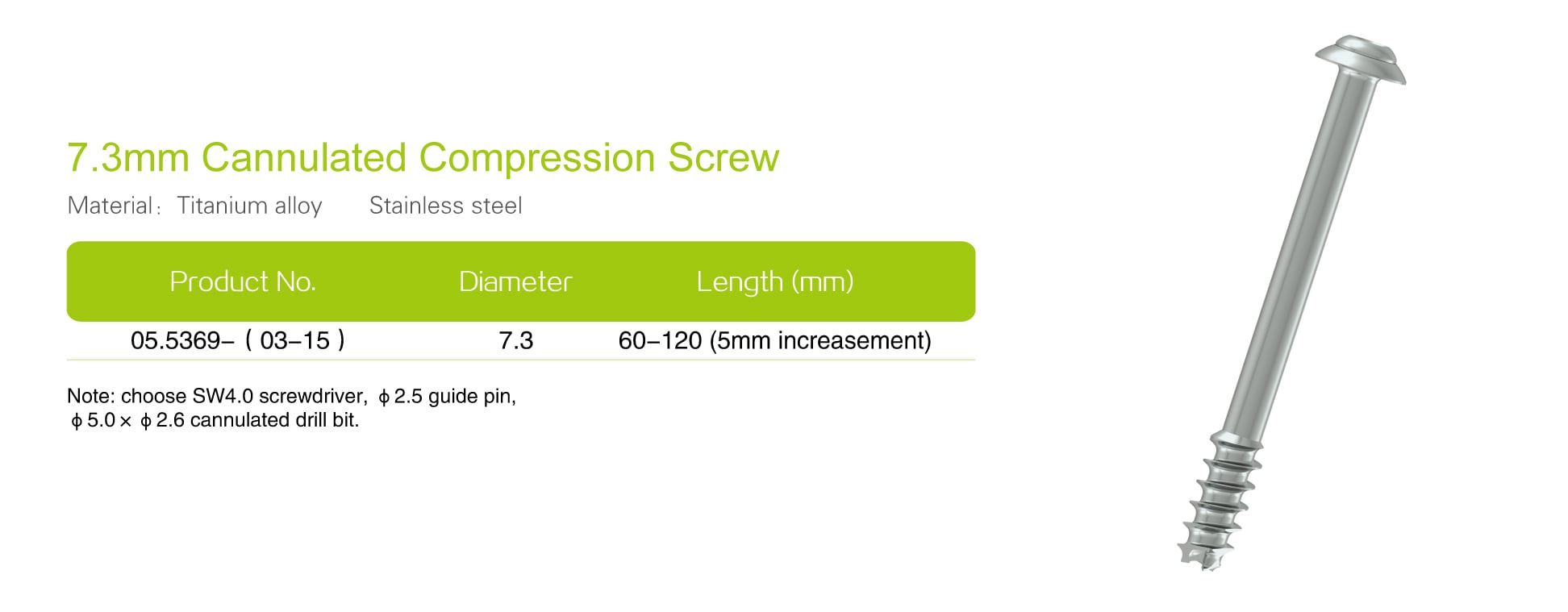
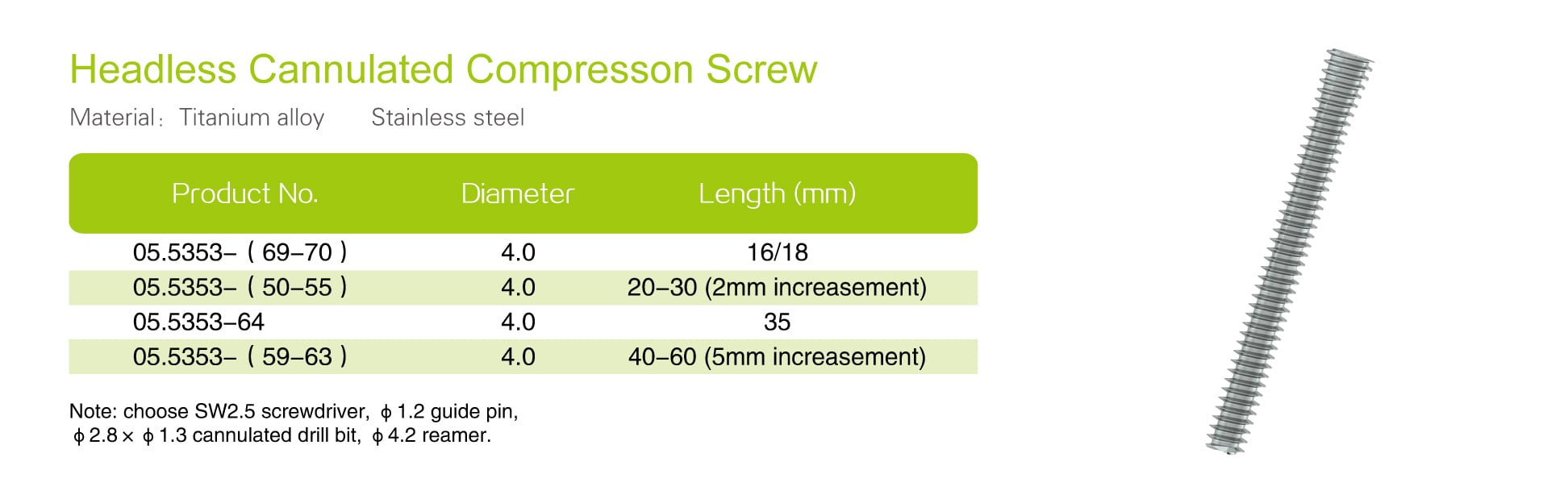
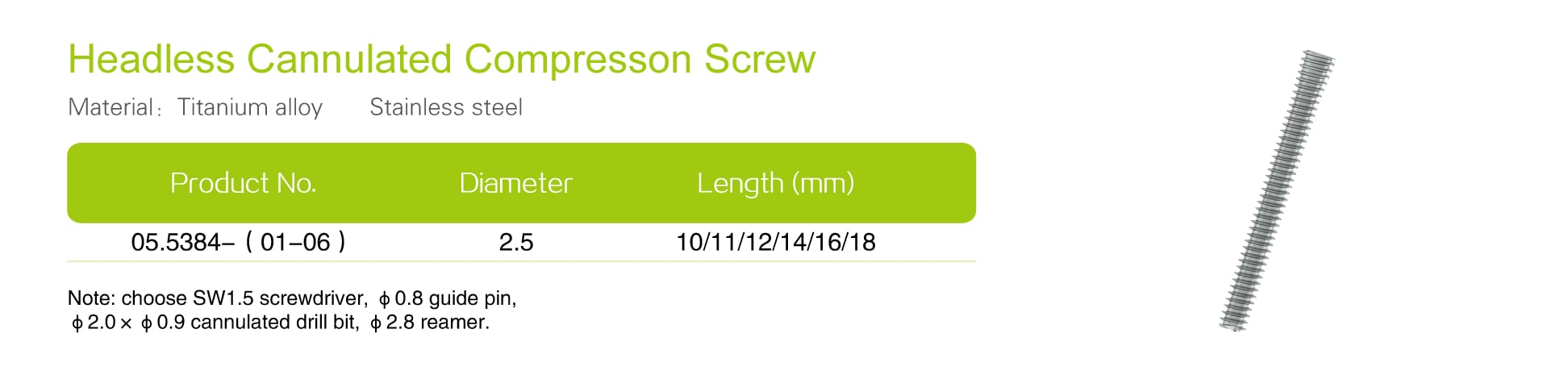
A bone fixation cannulated screw is a specialized orthopedic implant designed to stabilize and secure bone fragments during the healing process after fractures or surgical procedures. This surgical device features a hollow center channel running through its entire length, allowing it to be precisely positioned over a guidewire during implantation. The bone fixation cannulated screw serves as a critical component in modern orthopedic surgery, providing stable internal fixation for various bone injuries and reconstructive procedures. These screws are manufactured from biocompatible materials such as titanium alloy or stainless steel, ensuring long-term compatibility within the human body. The primary function of a bone fixation cannulated screw is to compress bone fragments together, promoting proper alignment and accelerating natural healing. Surgeons commonly employ these implants in procedures involving the hip, knee, ankle, wrist, and hand, where precise placement is essential for optimal outcomes. The technological design incorporates advanced threading patterns that maximize grip strength while minimizing bone damage during insertion. The hollow core design distinguishes the bone fixation cannulated screw from traditional solid screws, enabling surgeons to use minimally invasive techniques with enhanced accuracy. This innovation has revolutionized fracture management by reducing surgical trauma, shortening operation times, and improving patient recovery experiences. Available in various diameters, lengths, and thread configurations, these screws can be customized to match specific anatomical requirements and clinical situations, making them versatile solutions for diverse orthopedic applications across multiple patient populations and injury types.

New Product Releases

The bone fixation cannulated screw offers significant practical benefits that directly impact surgical outcomes and patient recovery. First, the hollow design allows surgeons to place the screw with exceptional precision by following a pre-positioned guidewire, reducing placement errors and minimizing tissue damage during insertion. This accuracy translates to better bone alignment and faster healing times for patients. The minimally invasive approach possible with the bone fixation cannulated screw means smaller incisions, less soft tissue disruption, and reduced postoperative pain compared to traditional fixation methods. Patients experience shorter hospital stays and quicker returns to normal activities, which reduces overall healthcare costs and improves quality of life. From an operational perspective, these screws simplify surgical procedures by providing clear visual guidance throughout the insertion process, making complex fixations more manageable even in challenging anatomical locations. The threaded design creates strong compression between bone fragments, which is essential for proper healing and reduces the risk of complications such as nonunion or malunion. Surgeons appreciate the versatility of the bone fixation cannulated screw across multiple applications, from simple fracture repairs to complex reconstructive surgeries involving joints and long bones. The biocompatible materials used in manufacturing ensure excellent tissue tolerance and long-term stability without adverse reactions. Decision-makers evaluating fixation options will find that these screws offer superior cost-effectiveness when considering the complete clinical picture, including reduced surgery time, lower complication rates, and improved patient satisfaction scores. The standardized instrumentation and straightforward surgical technique mean reduced training requirements for surgical teams, while the reliable performance across diverse clinical scenarios provides confidence in treatment planning and execution for various patient populations and injury complexities.

Tips And Tricks

What Are the Indications for Using Pedicle Screw in Degenerative Spine Disease?

02

Jun

What Are the Indications for Using Pedicle Screw in Degenerative Spine Disease?

Degenerative spine disease encompasses a broad spectrum of conditions that progressively compromise spinal stability, alignment, and neurological function. As these conditions advance, conservative management often fails to provide adequate relief, a...
View More
How Does Spinal Screw Design Enhance Mechanical Strength and Fixation?

06

Jul

How Does Spinal Screw Design Enhance Mechanical Strength and Fixation?

In modern spinal surgery, the pedicle screw is one of the most critical implants used to stabilize the vertebral column. Whether the procedure involves deformity correction, fracture management, or spinal fusion, the pedicle screw serves as the prima...
View More
How Can Distributors Assess Pedicle Screw Supplier Reliability?

06

Jul

How Can Distributors Assess Pedicle Screw Supplier Reliability?

Choosing the right pedicle screw supplier is one of the most consequential decisions a medical device distributor can make. A pedicle screw supplier directly affects patient safety, regulatory standing, and the commercial reputation of every distribu...
View More
How Does Spinal Screw Fixation Improve Stability in Spinal Fusion Surgery?

06

Jul

How Does Spinal Screw Fixation Improve Stability in Spinal Fusion Surgery?

Spinal fusion surgery is one of the most common and technically demanding procedures in orthopedic and neurosurgical practice. At the heart of this procedure lies a critical mechanical principle: the spine must be held in precise alignment while bone...
View More

Get a Free Quote

Our representative will contact you soon.
Email
Name
Company Name
Message
0/1000

bone fixation cannulated screw

Precision Guidewire Technology

Precision Guidewire Technology

The defining characteristic of the bone fixation cannulated screw is its hollow central channel that accommodates a guidewire during surgical placement. This innovative design feature enables surgeons to achieve unparalleled accuracy when positioning the implant within bone structures. Before inserting the screw, surgeons first place a thin guidewire through the fracture site or surgical area using fluoroscopic imaging for real-time visualization. The bone fixation cannulated screw then slides over this guidewire, following its exact path to the predetermined location. This technique eliminates guesswork and significantly reduces the risk of misplacement, which could compromise healing or require revision surgery. The guidewire acts as a precise navigation system, particularly valuable in anatomically complex regions where traditional screw placement would be challenging or risky. This technology allows for minimally invasive percutaneous insertion techniques, where surgeons can achieve optimal fixation through small skin incisions without extensive tissue dissection. The result is reduced surgical trauma, less blood loss, shorter operative times, and faster patient recovery. For medical facilities, this translates to improved surgical efficiency and better resource utilization, while patients benefit from reduced scarring, less postoperative discomfort, and quicker rehabilitation timelines.
Superior Compression and Stability

Superior Compression and Stability

The bone fixation cannulated screw delivers exceptional mechanical performance through its advanced thread design and compression capabilities. When properly inserted, these screws generate controlled compression forces that draw bone fragments together, creating optimal conditions for biological healing. The threaded profile is engineered to maximize purchase within bone tissue, distributing mechanical loads evenly and preventing loosening over time. This compression effect is crucial for fracture healing, as it reduces micro-motion between fragments and promotes direct bone-to-bone contact, which accelerates the natural healing process. The bone fixation cannulated screw maintains this stable fixation throughout the entire healing period, typically several weeks to months depending on the injury severity and location. Unlike external fixation devices that can be cumbersome and limit patient mobility, internal fixation with cannulated screws allows for earlier weight-bearing and joint motion in many cases, which prevents stiffness and muscle atrophy. The mechanical strength of these implants supports the bone structure during the vulnerable healing phase while the body regenerates new bone tissue. Surgeons can confidently apply appropriate rehabilitation protocols knowing the fixation will maintain alignment and stability. For patients, this means more predictable recovery timelines, reduced risk of complications such as delayed union or hardware failure, and better long-term functional outcomes with restored bone strength and joint function.
Versatile Clinical Applications

Versatile Clinical Applications

The bone fixation cannulated screw demonstrates remarkable adaptability across a broad spectrum of orthopedic procedures and anatomical locations. These implants are routinely used for treating fractures of the femoral neck, scaphoid bone, ankle malleoli, tibial plateau, and numerous other skeletal sites where precise fixation is essential. Beyond trauma applications, the bone fixation cannulated screw plays a vital role in elective orthopedic surgeries including joint fusion procedures, osteotomy corrections, and ligament reconstruction surgeries where bone tunnels require secure fixation. The availability of multiple sizes, ranging from small-diameter screws for delicate hand and foot bones to larger variants for major weight-bearing structures, ensures appropriate options for every clinical scenario. Pediatric orthopedic surgeons utilize specially designed versions for growing bones, while sports medicine specialists rely on these implants for athletic injury repairs requiring rapid return to activity. The bone fixation cannulated screw accommodates both partial and fully threaded configurations, allowing surgeons to select the optimal design for compression or positional fixation based on specific biomechanical requirements. This versatility reduces inventory complexity for healthcare facilities while ensuring surgeons have appropriate tools for diverse patient needs. The standardized surgical technique across different screw sizes and types streamlines training and improves procedural consistency, contributing to reliable outcomes regardless of the specific application or surgeon experience level.

Get a Free Quote

Our representative will contact you soon.
Email
Name
Company Name
Message
0/1000
Newsletter
Please Leave A Message With Us