Surgical Cannulated Screw Solutions

All Categories

Get a Free Quote

Our representative will contact you soon.
Email
Name
Company Name
Message
0/1000

surgical cannulated screw

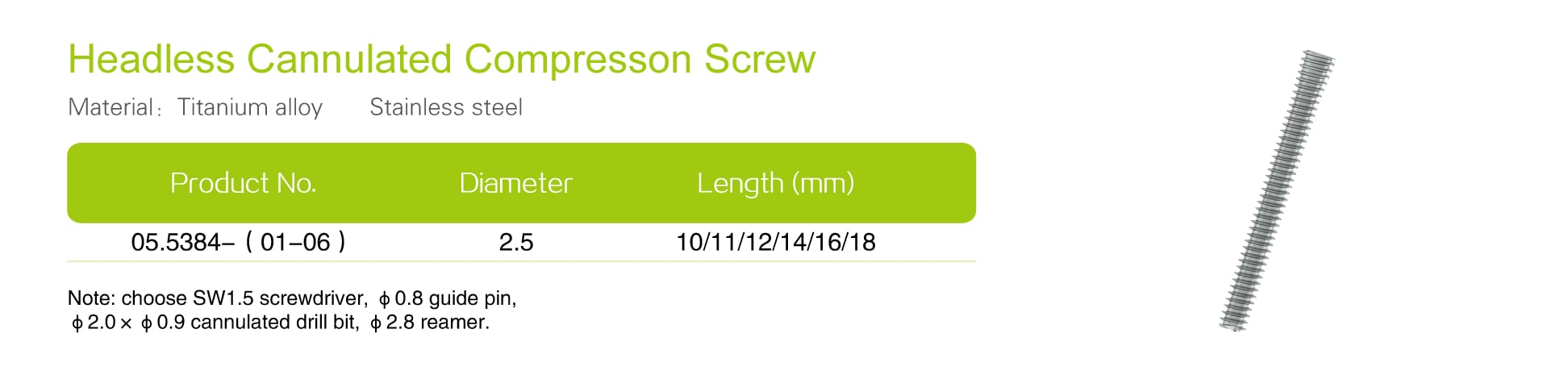
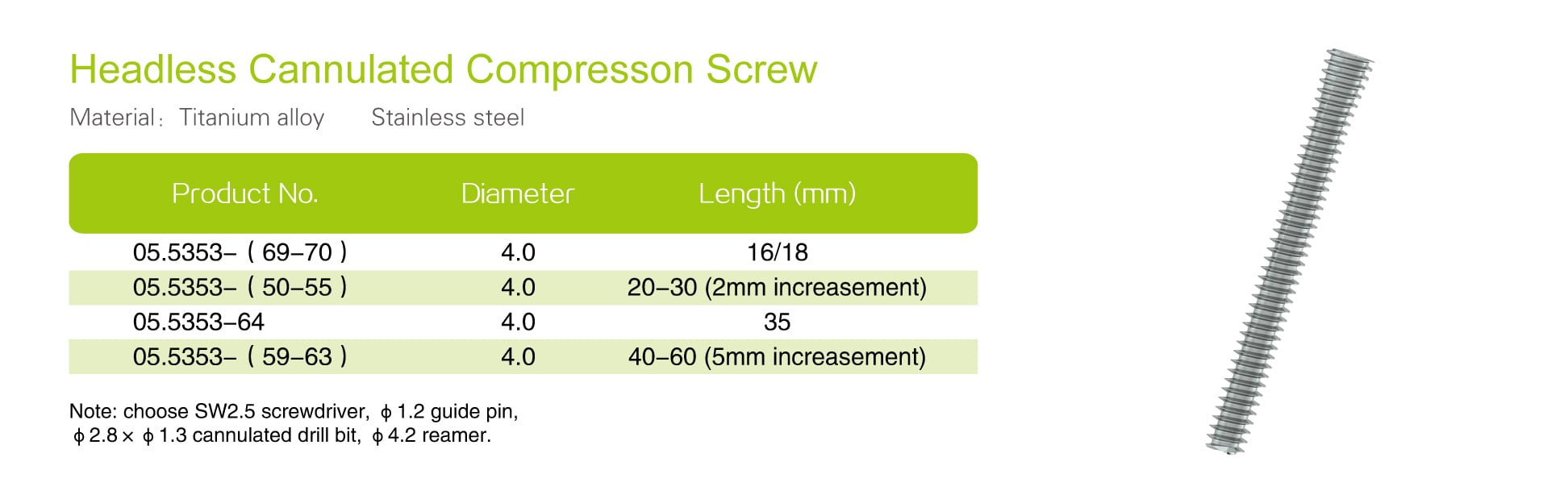
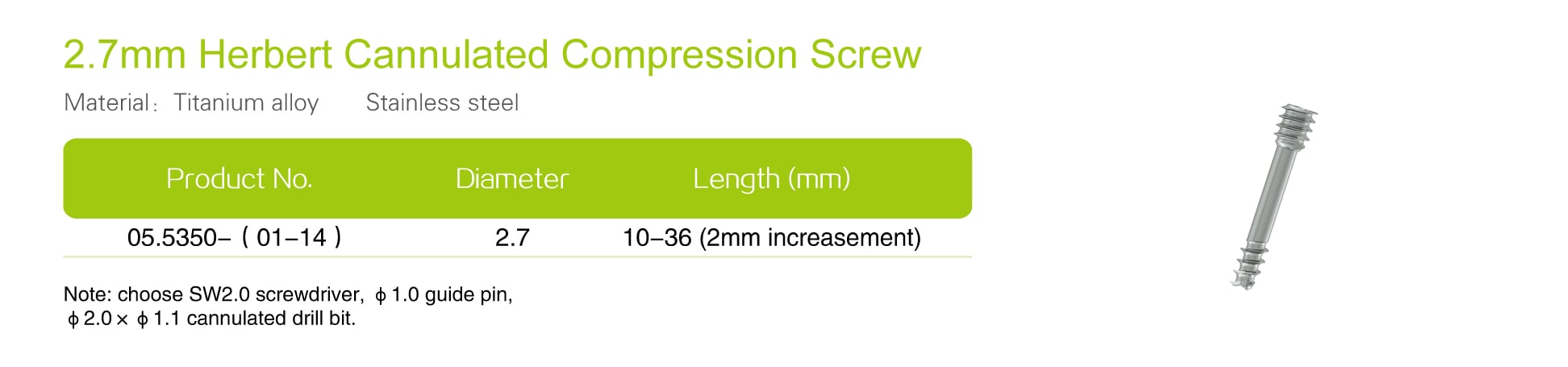
The surgical cannulated screw represents a fundamental advancement in orthopedic fixation technology, designed to provide secure bone stabilization during fracture repair and reconstruction procedures. This specialized implant features a hollow central channel that distinguishes it from traditional solid screws, enabling surgeons to insert the device over a guidewire for precise placement and enhanced control during surgical procedures. The surgical cannulated screw serves multiple critical functions in modern orthopedic surgery, including fracture fixation, osteotomy stabilization, and ligament reconstruction applications. Its unique design incorporates advanced thread patterns that maximize purchase in both cortical and cancellous bone, ensuring reliable fixation strength across diverse anatomical sites. The hollow core design allows for minimally invasive insertion techniques, reducing soft tissue trauma while maintaining excellent biomechanical stability. Manufacturing processes utilize medical-grade titanium alloy or stainless steel materials that offer superior biocompatibility and corrosion resistance. The surgical cannulated screw finds extensive applications in treating fractures of the hip, ankle, wrist, and other skeletal regions where precise placement is essential. Technological features include self-tapping threads that facilitate insertion, various head configurations to accommodate different surgical needs, and comprehensive size ranges to match patient anatomy. The cannulation permits bone grafting through the central channel when necessary, adding therapeutic versatility. This innovative fixation solution has become the preferred choice for procedures requiring accurate screw positioning, combining technological sophistication with practical surgical utility to deliver consistent clinical outcomes across orthopedic specialties.

Popular Products

Choosing the surgical cannulated screw delivers substantial practical benefits that directly impact surgical outcomes and patient recovery. The guidewire-assisted insertion technique significantly reduces placement errors, allowing surgeons to achieve precise positioning even in complex anatomical locations where traditional screws would be challenging to place accurately. This precision translates to fewer revision surgeries and better long-term fixation stability for patients. The minimally invasive approach enabled by the surgical cannulated screw reduces surgical trauma, leading to smaller incisions, less blood loss, and decreased postoperative pain compared to conventional fixation methods. Patients experience shorter hospital stays and faster return to daily activities, which represents genuine value for healthcare providers managing care costs and patient satisfaction. The hollow design offers operational flexibility during procedures, as surgeons can verify screw position through fluoroscopy while the guidewire remains in place, making real-time adjustments before final insertion. This adaptability proves especially valuable in fracture patterns requiring multiple screws, where sequential placement accuracy is critical. The surgical cannulated screw suits diverse applications from simple fracture fixation to complex reconstructive procedures, making it a versatile inventory choice for surgical facilities. The self-tapping feature eliminates pre-drilling requirements in many cases, streamlining surgical workflow and reducing procedure time. Material choices provide excellent strength-to-weight ratios, supporting early weight-bearing when clinically appropriate. The comprehensive range of lengths and diameters ensures proper matching to patient anatomy, accommodating pediatric through adult populations. These combined advantages make the surgical cannulated screw a decision-smart investment that balances clinical performance, operational efficiency, and patient-centered outcomes in modern orthopedic practice.

Practical Tips

What Are the Differences Between Monoaxial and Polyaxial Pedicle Screw?

02

Jun

What Are the Differences Between Monoaxial and Polyaxial Pedicle Screw?

In spinal surgery, choosing the right implant can directly influence surgical outcomes, patient recovery, and long-term construct stability. Among the most critical decisions a spine surgeon faces is selecting the appropriate type of pedicle screw fo...
View More
How Do Pedicle Screw Systems Support Scoliosis Correction Surgery?

02

Jun

How Do Pedicle Screw Systems Support Scoliosis Correction Surgery?

Scoliosis correction surgery is one of the most technically demanding procedures in modern spinal orthopedics. The ability to realign a severely curved spine, restore sagittal balance, and maintain long-term structural integrity depends heavily on th...
View More
Why Is Accurate Spinal Screw Placement Crucial for Patient Safety?

06

Jul

Why Is Accurate Spinal Screw Placement Crucial for Patient Safety?

Pedicle screw placement is one of the most technically demanding steps in spinal surgery. When a surgeon positions each screw with precision, the entire construct gains stability, and the patient's recovery is protected from preventable complications...
View More
How Can Distributors Assess Pedicle Screw Supplier Reliability?

06

Jul

How Can Distributors Assess Pedicle Screw Supplier Reliability?

Choosing the right pedicle screw supplier is one of the most consequential decisions a medical device distributor can make. A pedicle screw supplier directly affects patient safety, regulatory standing, and the commercial reputation of every distribu...
View More

Get a Free Quote

Our representative will contact you soon.
Email
Name
Company Name
Message
0/1000

surgical cannulated screw

Precision Guidewire Technology for Accurate Placement

Precision Guidewire Technology for Accurate Placement

The defining feature of the surgical cannulated screw is its hollow central channel that accommodates a guidewire throughout the insertion process, delivering unmatched placement accuracy in orthopedic fixation. This technological innovation allows surgeons to establish the optimal trajectory before committing to screw insertion, significantly reducing the risk of malposition that could compromise fixation strength or damage surrounding structures. The guidewire acts as a precise navigation pathway, particularly valuable in anatomically challenging regions where visibility is limited or bone quality varies. Surgeons can verify the intended path using fluoroscopic imaging while the guidewire is positioned, making adjustments as needed before the surgical cannulated screw follows the established route. This method proves especially beneficial in procedures like hip fracture fixation, where precise placement through the femoral neck into the femoral head is critical for successful outcomes. The technology reduces radiation exposure compared to repeated positioning attempts with solid screws, as the guidewire position can be confirmed before the implant is introduced. This precision-driven approach minimizes surgical complications, shortens procedure duration, and enhances overall fixation reliability, representing a significant advancement that benefits both surgical teams and patients seeking optimal fracture healing.
Minimally Invasive Design Reducing Surgical Trauma

Minimally Invasive Design Reducing Surgical Trauma

The surgical cannulated screw enables minimally invasive surgical techniques that substantially reduce tissue disruption compared to traditional open fixation methods, offering tangible benefits for patient recovery and clinical outcomes. The guidewire-assisted insertion requires only small percutaneous incisions, preserving the soft tissue envelope around fracture sites that is essential for proper healing. This approach maintains critical blood supply to bone fragments, promoting faster union rates and reducing infection risks associated with extensive surgical exposure. Patients benefit from reduced postoperative pain, smaller scars, and quicker mobilization, which collectively improve satisfaction and quality of life during recovery. The minimally invasive capability of the surgical cannulated screw proves particularly valuable in elderly patients or those with compromised healing capacity, where extensive surgical trauma could lead to complications. Operating room efficiency improves as well, with shorter procedure times and reduced anesthesia exposure contributing to enhanced patient safety profiles. The design allows surgeons to address multiple fracture fragments through separate small incisions rather than one large exposure, providing tactical flexibility while maintaining tissue respect. This patient-centered approach aligns with modern surgical philosophy prioritizing rapid recovery and functional restoration, making the surgical cannulated screw an essential tool in contemporary orthopedic practice focused on optimizing both immediate and long-term patient outcomes.
Versatile Application Across Multiple Orthopedic Procedures

Versatile Application Across Multiple Orthopedic Procedures

The surgical cannulated screw demonstrates remarkable versatility across a broad spectrum of orthopedic applications, making it an invaluable fixation option for diverse clinical scenarios and anatomical locations. From hip fractures and ankle fusion procedures to scaphoid fracture fixation and anterior cruciate ligament reconstruction, this adaptable implant addresses varied surgical needs with consistent performance. The comprehensive sizing options accommodate different bone densities and patient populations, including pediatric cases requiring smaller diameters and trauma situations demanding longer lengths for adequate purchase. Different thread designs optimize performance in cortical versus cancellous bone, while various head configurations including fully threaded, partially threaded, and headless varieties suit specific surgical requirements. The surgical cannulated screw excels in both emergency trauma settings and elective reconstructive procedures, providing surgical teams with a reliable solution regardless of case complexity. The hollow core permits additional functionality such as bone graft delivery directly to fracture sites, enhancing biological healing potential when needed. This multifunctional capability reduces inventory complexity for healthcare facilities, as a single screw system addresses multiple procedural demands. Surgeons appreciate the consistent handling characteristics across applications, reducing the learning curve when transitioning between different anatomical sites. This versatility translates to better resource utilization, streamlined surgical planning, and confidence in addressing unexpected intraoperative findings, ultimately supporting superior patient care across the full range of orthopedic fixation challenges.

Get a Free Quote

Our representative will contact you soon.
Email
Name
Company Name
Message
0/1000
Newsletter
Please Leave A Message With Us