High Strength External Fixator Solutions

All Categories

Get a Free Quote

Our representative will contact you soon.
Email
Name
Company Name
Message
0/1000

high strength external fixator

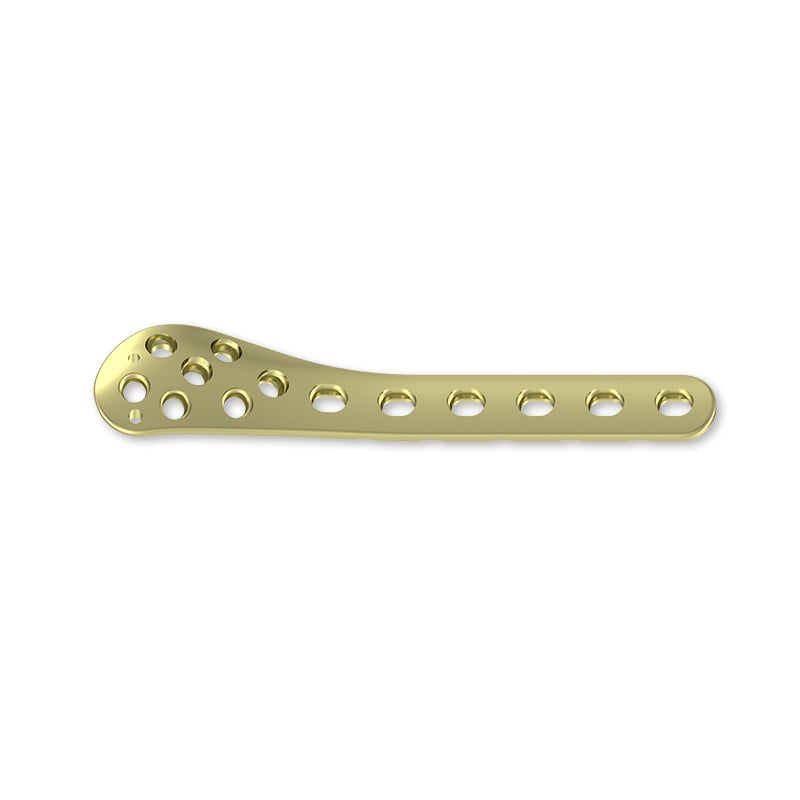
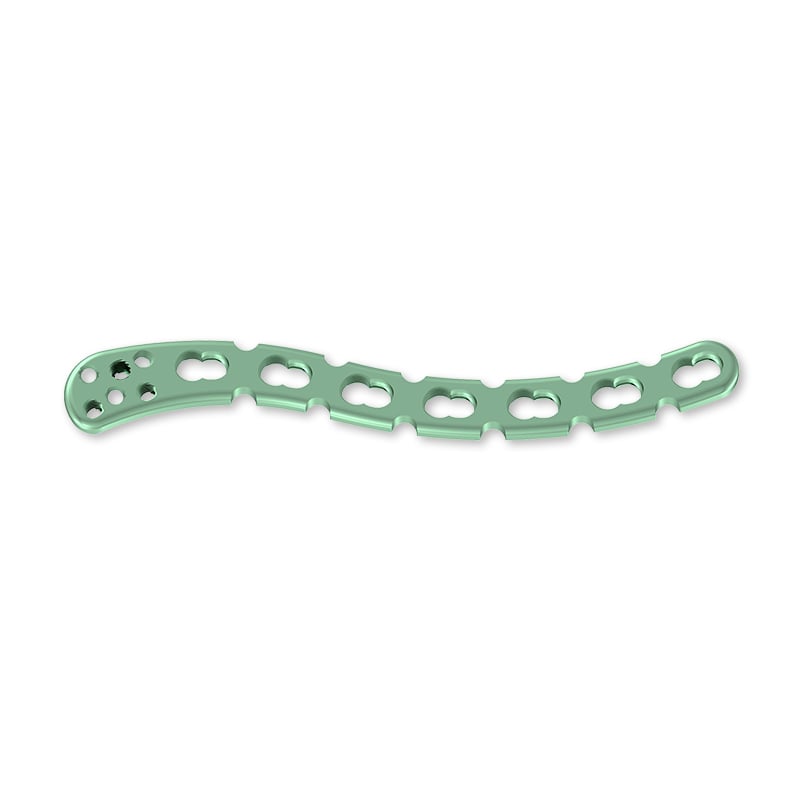
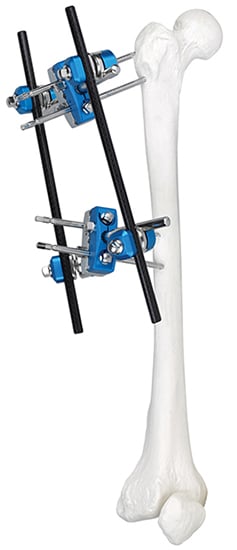
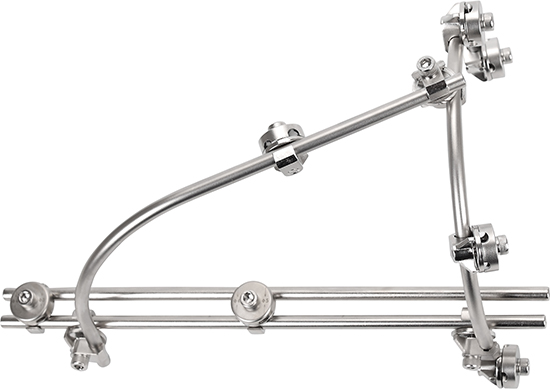
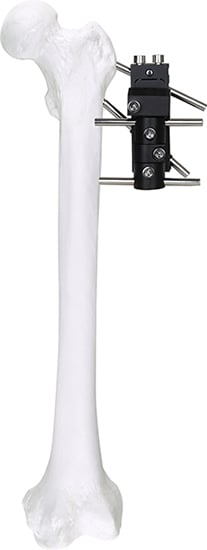
A high strength external fixator is an advanced orthopedic device designed to stabilize and support fractured or damaged bones from outside the body. This medical apparatus consists of metal bars, pins, and clamps that create a rigid framework around the injured limb, providing exceptional stability during the healing process. The high strength external fixator works by inserting stainless steel or titanium pins through the skin directly into the bone above and below the fracture site, then connecting these pins with external bars to maintain proper alignment. This system is particularly valuable for treating complex fractures, open wounds, severe bone infections, limb lengthening procedures, and cases where traditional internal fixation methods are not suitable. The technological features of a high strength external fixator include adjustable components that allow surgeons to modify alignment and compression during treatment, radiolucent materials that enable clear X-ray imaging without removal, and modular designs that can be customized for different anatomical locations and injury patterns. Modern high strength external fixator systems incorporate biomechanical engineering principles to distribute forces evenly across the fracture site while minimizing stress on surrounding soft tissues. The device's external positioning eliminates the need for large surgical incisions, reducing infection risks and preserving blood supply to the healing bone. Applications span trauma surgery, reconstructive procedures, deformity correction, and pediatric orthopedics, making the high strength external fixator an indispensable tool in contemporary bone healing and limb reconstruction protocols.

New Products

The high strength external fixator offers numerous practical benefits that directly address the needs of patients and healthcare providers. First, this device provides immediate mechanical stability to fractured bones without requiring extensive surgical exposure, which significantly reduces operative time and minimizes tissue trauma. Patients experience faster initial recovery because the minimally invasive pin placement preserves muscle integrity and maintains natural blood flow to the injury site. The adjustable nature of the high strength external fixator allows doctors to fine-tune bone alignment throughout the healing journey, ensuring optimal positioning without additional surgeries. This adaptability proves especially valuable when treating growing children or correcting complex deformities that require gradual adjustment over weeks or months. From a cost perspective, the high strength external fixator delivers excellent value because it remains outside the body, eliminating expenses associated with implant removal surgeries that internal fixation devices typically require. The system's modular design means components can be reused and reconfigured for different patients and injury types, improving resource efficiency for medical facilities. Patients benefit from enhanced monitoring capabilities since doctors can visually inspect the fracture site and adjust treatment based on healing progress without invasive procedures. The high strength external fixator excels in challenging clinical scenarios including severe open fractures with contaminated wounds, bone infections where internal hardware would be contraindicated, and situations requiring bone transport or limb lengthening. Healthcare providers appreciate the versatility of the high strength external fixator across multiple specialties including trauma surgery, pediatric orthopedics, and reconstructive procedures. The device supports early patient mobilization and weight-bearing in many cases, promoting circulation and preventing complications associated with prolonged immobilization such as muscle atrophy and joint stiffness.

Latest News

Why Is Innovation Important for Competitive Orthopedic Implants Suppliers?

02

Jun

Why Is Innovation Important for Competitive Orthopedic Implants Suppliers?

The medical device industry is undergoing rapid transformation, and nowhere is this change more consequential than in the field of orthopedic surgery. For orthopedic implants suppliers, staying competitive is no longer simply a matter of offering rel...
View More
How Does Pedicle Screw Design Enhance Pullout Strength and Stability?

02

Jun

How Does Pedicle Screw Design Enhance Pullout Strength and Stability?

In modern spinal surgery, fixation reliability is not a secondary consideration — it is the foundation upon which patient outcomes are built. The pedicle screw has become the cornerstone of posterior spinal instrumentation, offering surgeons a ...
View More
How Does Spinal Screw Design Enhance Mechanical Strength and Fixation?

06

Jul

How Does Spinal Screw Design Enhance Mechanical Strength and Fixation?

In modern spinal surgery, the pedicle screw is one of the most critical implants used to stabilize the vertebral column. Whether the procedure involves deformity correction, fracture management, or spinal fusion, the pedicle screw serves as the prima...
View More
How Does Spinal Screw Fixation Improve Stability in Spinal Fusion Surgery?

06

Jul

How Does Spinal Screw Fixation Improve Stability in Spinal Fusion Surgery?

Spinal fusion surgery is one of the most common and technically demanding procedures in orthopedic and neurosurgical practice. At the heart of this procedure lies a critical mechanical principle: the spine must be held in precise alignment while bone...
View More

Get a Free Quote

Our representative will contact you soon.
Email
Name
Company Name
Message
0/1000

high strength external fixator

Superior Mechanical Stability for Complex Fractures

Superior Mechanical Stability for Complex Fractures

The high strength external fixator delivers unmatched mechanical stability through its robust engineering design and high-grade materials. Constructed from medical-grade stainless steel or titanium alloys, the system withstands substantial physiological loads while maintaining precise fracture alignment throughout the healing cycle. The pin-to-bar connection creates a rigid three-dimensional framework that effectively counteracts rotational, angular, and translational forces that could disrupt bone healing. This superior stability becomes critically important when treating comminuted fractures with multiple bone fragments, severe open injuries with extensive soft tissue damage, or cases involving osteoporotic bone with reduced holding strength. The high strength external fixator's mechanical advantage enables immediate load-sharing, allowing some patients to bear weight earlier than traditional treatment methods would permit. Engineering calculations ensure the frame configuration provides adequate stiffness to prevent excessive motion at the fracture site while allowing controlled micromotion that stimulates bone formation. This balanced approach to mechanical environment optimization distinguishes the high strength external fixator from less sophisticated immobilization techniques and contributes to improved healing rates and reduced complication incidences across diverse patient populations and injury patterns.
Adjustable Configuration for Personalized Treatment

Adjustable Configuration for Personalized Treatment

One of the most valuable characteristics of the high strength external fixator is its adjustable configuration capability, which empowers surgeons to personalize treatment protocols for individual patient needs. The modular components allow precise modifications to compression, distraction, angulation, and rotation without requiring additional surgical interventions. This adjustability proves essential during limb lengthening procedures where gradual bone distraction occurs over extended periods, typically at rates of one millimeter per day. Surgeons can also correct angular deformities progressively, applying gentle forces that reshape bone alignment while minimizing patient discomfort. The high strength external fixator's versatility extends to accommodating anatomical variations across different body regions including the tibia, femur, pelvis, and upper extremities. Clamp mechanisms enable quick reconfiguration as treatment goals evolve, such as transitioning from compression to neutralization modes as healing progresses. This adaptability reduces the need for frame removal and replacement, lowering costs and avoiding additional procedures. Patients benefit from treatment optimization based on their unique healing response rather than following rigid protocols, and healthcare providers gain flexibility to address unexpected complications or refine strategies based on radiographic evidence and clinical assessment throughout the recovery journey.
Minimally Invasive Approach with Reduced Infection Risk

Minimally Invasive Approach with Reduced Infection Risk

The high strength external fixator employs a minimally invasive approach that offers significant advantages over traditional internal fixation methods, particularly regarding infection prevention and soft tissue preservation. Unlike plates and screws that require extensive surgical dissection and implantation within the bone, the high strength external fixator uses percutaneous pin insertion through small skin incisions, dramatically reducing surgical trauma. This technique preserves the periosteum, the vital membrane covering bone that supplies blood and facilitates healing. By maintaining intact soft tissue envelopes and vascular networks, the high strength external fixator creates an optimal biological environment for bone regeneration. The external positioning of components eliminates foreign material from the wound bed, critically important when treating open fractures with contamination or existing infections where internal hardware would be contraindicated. Pin site care protocols and modern antimicrobial coatings further minimize infection risks associated with transcutaneous pins. Studies demonstrate lower deep infection rates with external fixation compared to internal fixation in high-risk scenarios such as severe open tibial fractures. The ability to access and treat wounds without removing stabilization hardware represents another practical advantage, allowing wound debridement, dressing changes, and soft tissue reconstructive procedures while maintaining fracture alignment throughout the treatment continuum for improved patient outcomes.

Get a Free Quote

Our representative will contact you soon.
Email
Name
Company Name
Message
0/1000
Newsletter
Please Leave A Message With Us