Bone Fracture Fixation System | Solutions Guide

All Categories

Get a Free Quote

Our representative will contact you soon.
Email
Name
Company Name
Message
0/1000

bone fracture fixation system

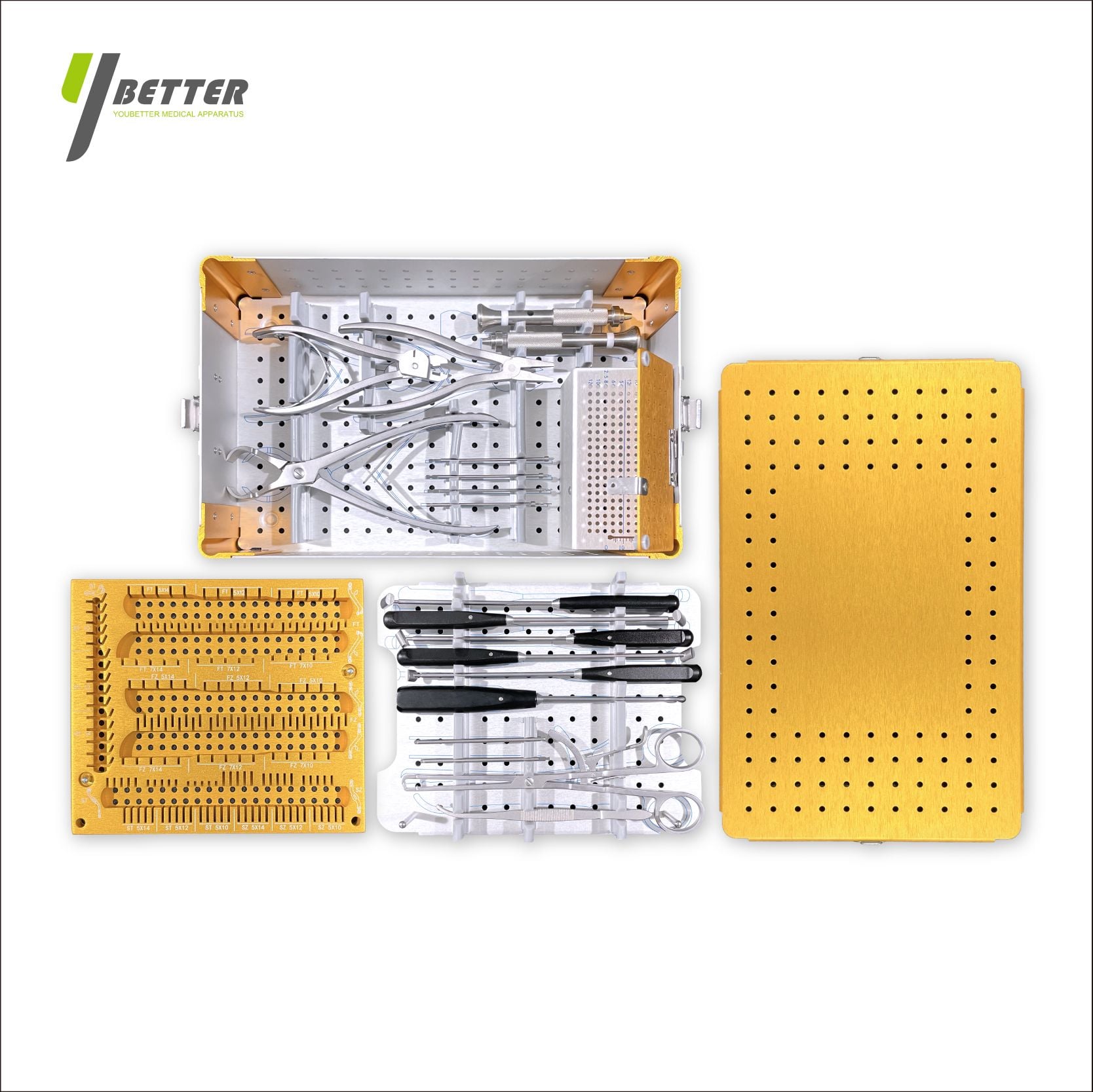
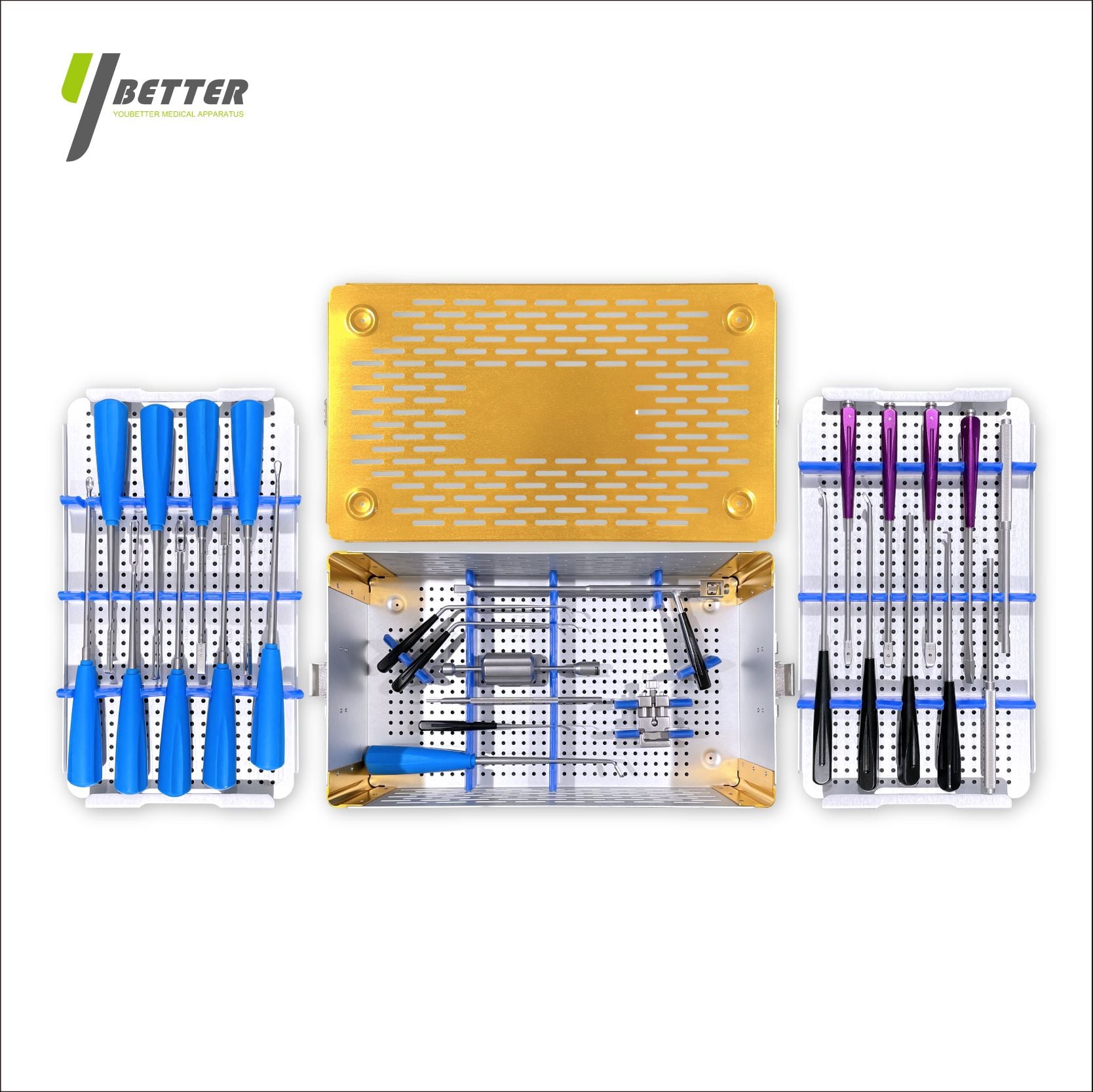
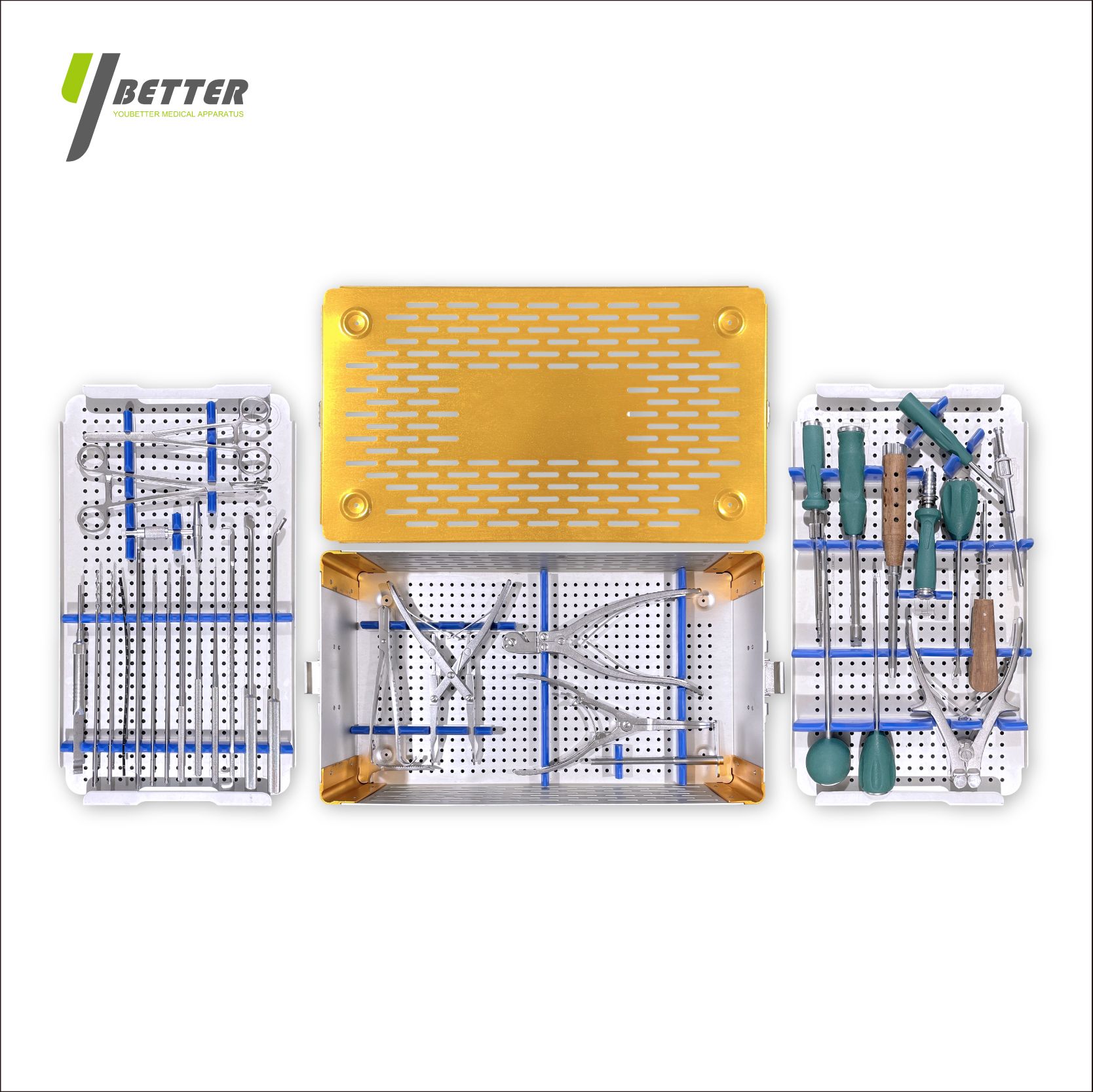
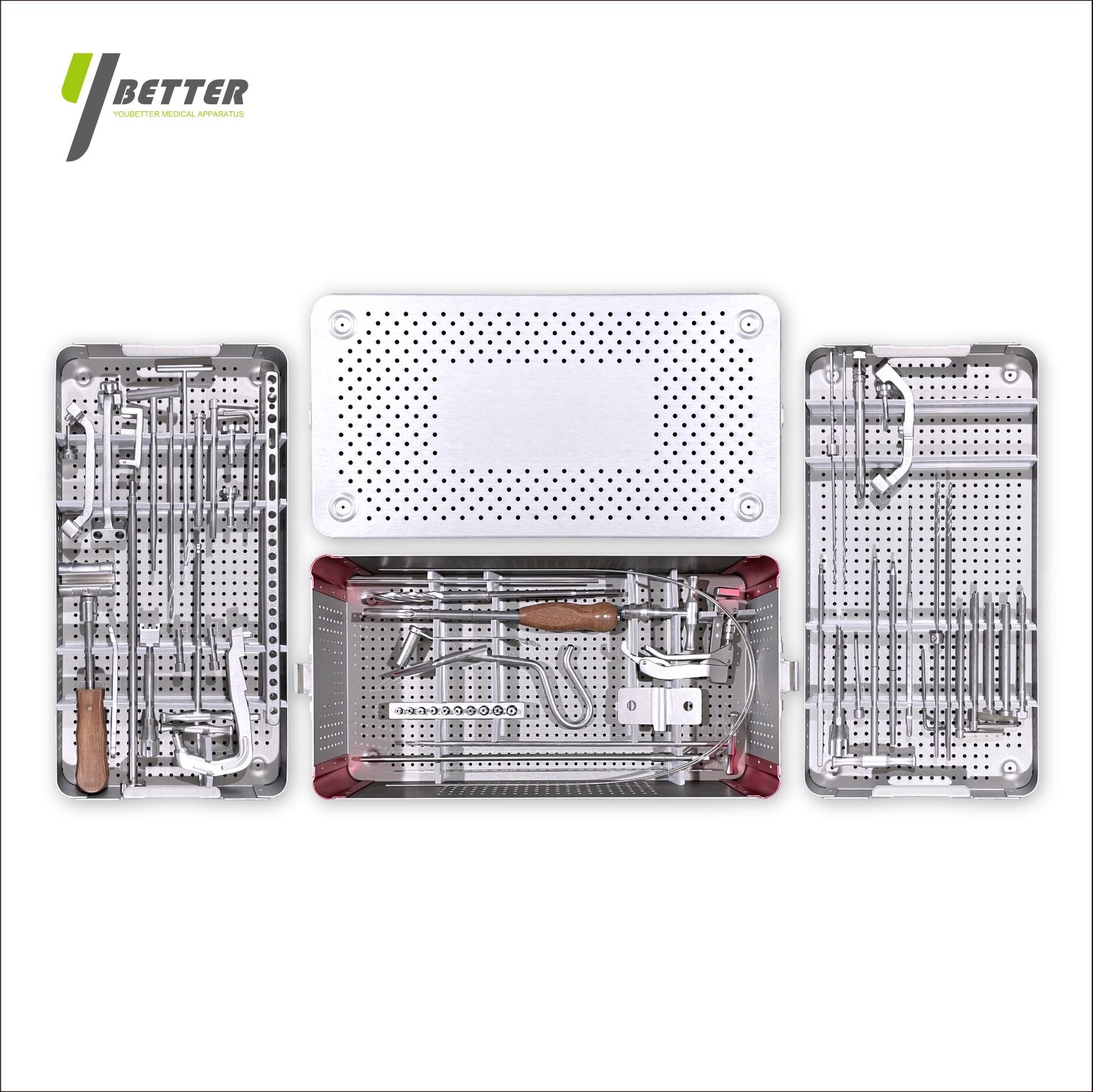
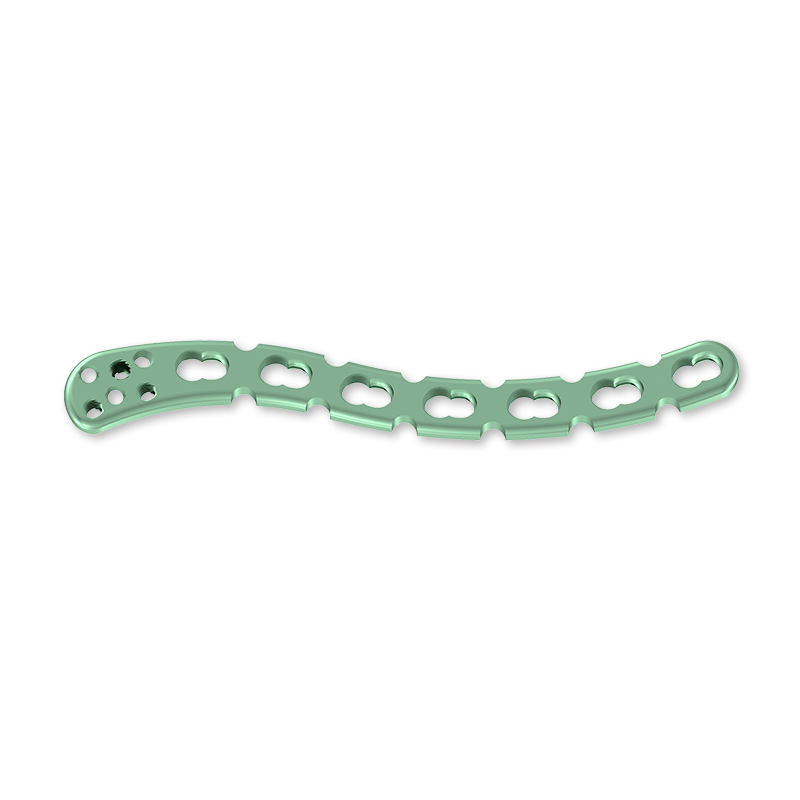
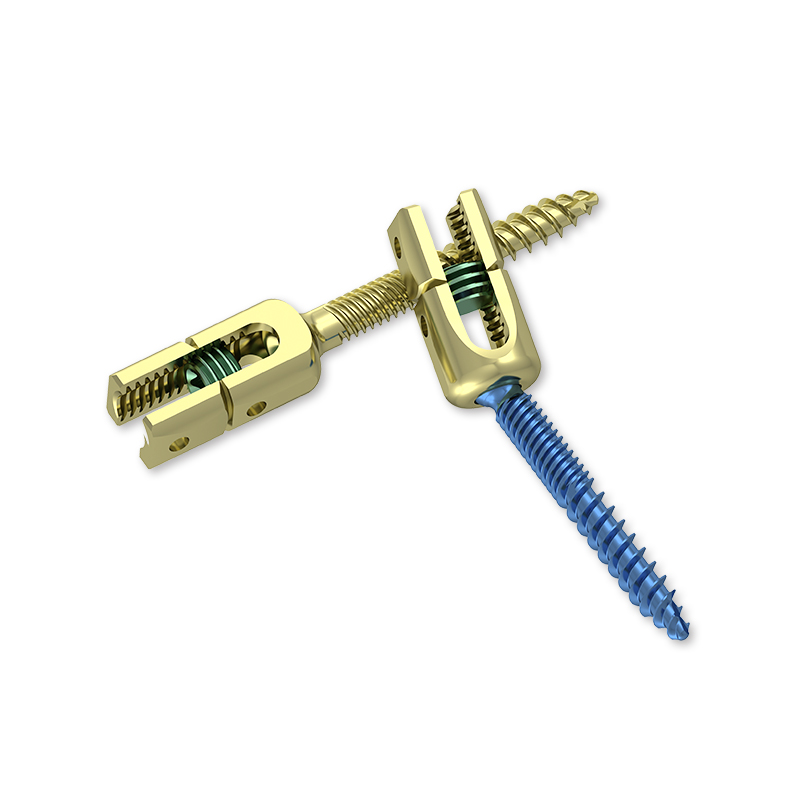
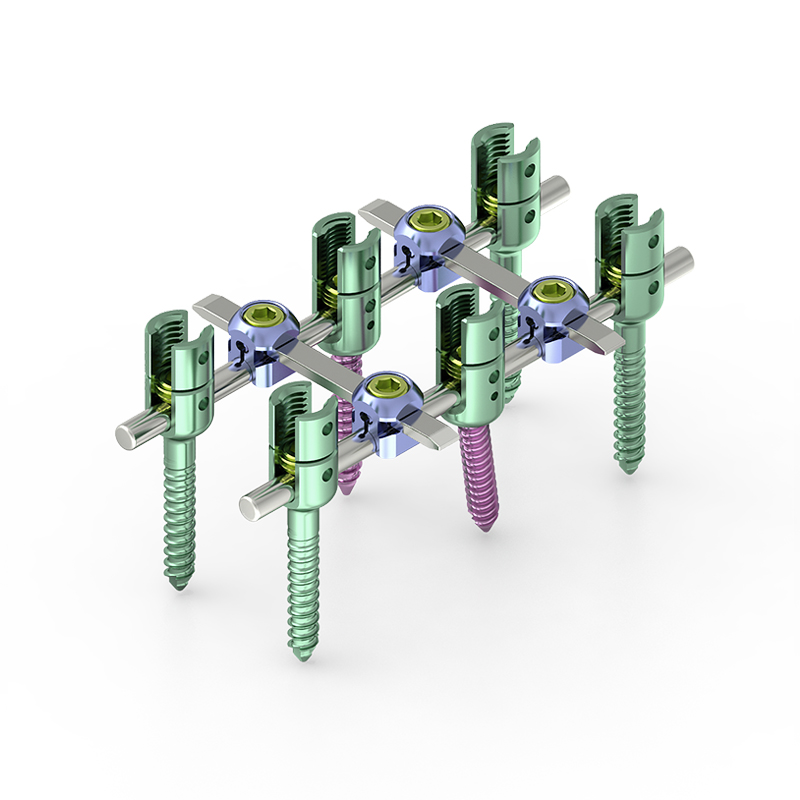
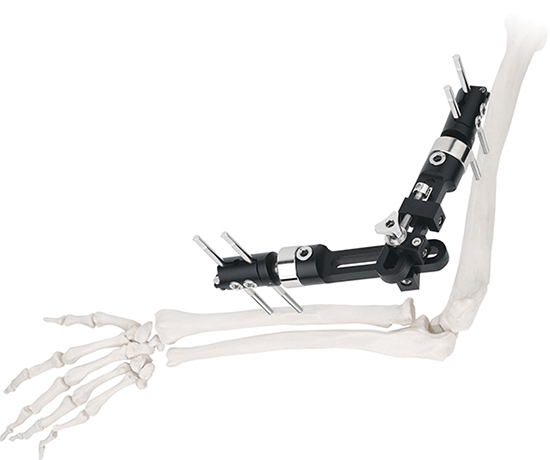
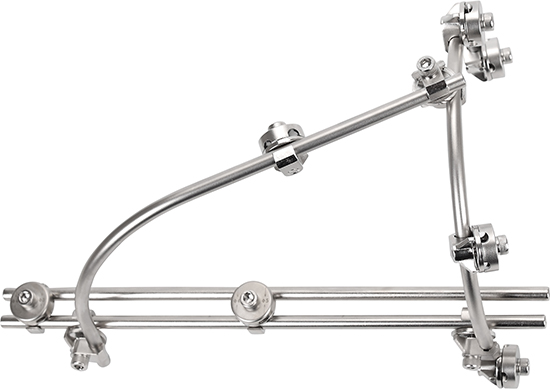
A bone fracture fixation system is a comprehensive medical solution designed to stabilize and support broken bones during the healing process. This advanced orthopedic technology consists of precisely engineered implants, plates, screws, rods, and external devices that work together to maintain proper bone alignment and promote optimal recovery. The bone fracture fixation system serves as a critical tool for orthopedic surgeons treating various types of fractures, from simple breaks to complex multi-fragment injuries. The primary function of this system is to provide mechanical stability at the fracture site, enabling natural bone regeneration while preventing displacement or misalignment. Modern bone fracture fixation systems incorporate cutting-edge materials such as titanium alloys and biocompatible polymers that offer exceptional strength-to-weight ratios and reduced risk of adverse reactions. These systems feature anatomically contoured designs that match the natural shape of bones, ensuring better fit and enhanced patient comfort. The technological features include locking mechanisms that provide angular stability, compression capabilities for accelerated healing, and modular components that allow surgeons to customize treatment based on individual patient needs. Applications span across trauma surgery, reconstructive procedures, sports medicine, and geriatric care. Whether addressing femoral fractures, tibial breaks, or complex pelvic injuries, a bone fracture fixation system provides versatile solutions adaptable to diverse clinical scenarios. The system's design accommodates both internal fixation methods, where implants remain inside the body, and external fixation techniques that use frames mounted outside the skin, offering flexibility in treatment approaches for different fracture patterns and patient conditions.

Popular Products

Investing in a quality bone fracture fixation system delivers substantial practical benefits that directly impact patient outcomes and surgical efficiency. Patients experience faster recovery times because these systems provide immediate stability, allowing earlier mobilization and physical therapy compared to traditional casting methods. This early movement reduces muscle atrophy, prevents joint stiffness, and helps patients return to daily activities more quickly. The precision engineering of a bone fracture fixation system minimizes surgical time, which means shorter anesthesia exposure and reduced risk of complications for patients. Surgeons gain confidence working with reliable, intuitive instruments that streamline procedures and improve accuracy. The anatomical design of plates and screws ensures better bone contact, promoting faster healing and reducing the likelihood of malunion or nonunion complications. For healthcare facilities, adopting a comprehensive bone fracture fixation system represents cost-effective care delivery through reduced hospital stays and fewer revision surgeries. The versatility of these systems means fewer inventory requirements, as modular components serve multiple applications across different bone types and fracture patterns. Patients benefit from smaller incisions and less tissue disruption with modern fixation approaches, resulting in reduced scarring and lower infection rates. The biocompatible materials used in bone fracture fixation systems demonstrate excellent long-term compatibility, minimizing inflammation and allowing implants to remain safely in place for extended periods or permanently. Decision-makers should consider that these systems accommodate a wide range of patient populations, from active young adults requiring robust support during sports recovery to elderly patients needing gentle yet effective stabilization. The operational benefits extend to training advantages, as standardized systems allow surgical teams to develop proficiency more efficiently. Quality bone fracture fixation systems come with comprehensive instrumentation sets and surgical guides that reduce learning curves and support consistent results across different surgeons and cases.

Latest News

How Do Orthopedic Implants Enhance Fracture Healing and Recovery?

02

Jun

How Do Orthopedic Implants Enhance Fracture Healing and Recovery?

When a bone fractures, the body initiates a complex biological cascade aimed at restoring structural integrity and function. However, in many cases, this natural process requires mechanical support to succeed. This is precisely where orthopedic impla...
View More
How Does Spinal Screw Improve Outcomes in Scoliosis Correction Surgery?

06

Jul

How Does Spinal Screw Improve Outcomes in Scoliosis Correction Surgery?

Scoliosis correction surgery is one of the most technically demanding procedures in spinal care, requiring precise instrumentation to restore alignment and maintain long-term stability. At the center of modern surgical technique, the spinal screw has...
View More
What Are the Differences Between Spinal Screw and Pedicle Screw Systems?

06

Jul

What Are the Differences Between Spinal Screw and Pedicle Screw Systems?

When evaluating spinal implant instrumentation, one of the most common points of confusion is the distinction between a general spinal screw and a pedicle screw system. Both are used in spinal surgery, but they differ significantly in anatomy, biomec...
View More
What Are the Clinical Indications for Using Spinal Screw in Spine Trauma?

06

Jul

What Are the Clinical Indications for Using Spinal Screw in Spine Trauma?

When surgeons evaluate a patient with spine trauma, one of the most critical decisions they face is whether to use a spinal screw for stabilization. A spinal screw serves as the mechanical foundation of posterior fixation systems, anchoring rods or p...
View More

Get a Free Quote

Our representative will contact you soon.
Email
Name
Company Name
Message
0/1000

bone fracture fixation system

Advanced Locking Technology for Superior Stability

Advanced Locking Technology for Superior Stability

The bone fracture fixation system incorporates sophisticated locking mechanisms that revolutionize fracture treatment by providing angular stability superior to conventional fixation methods. Unlike traditional plates that rely solely on friction between the plate and bone, locking screws create a fixed-angle construct where screws lock into the plate itself, forming a unified internal scaffold. This technology proves particularly valuable in osteoporotic bone, where reduced bone density compromises traditional screw purchase. The locking feature distributes forces more evenly across the entire construct rather than concentrating stress at individual screw holes, significantly reducing the risk of hardware failure or bone damage. Surgeons can achieve stable fixation with fewer screws, minimizing tissue trauma and preserving blood supply to the fracture site. This innovation supports biological healing approaches where maintaining the natural bone environment is paramount. Patients with compromised bone quality, including those with metabolic disorders or advanced age, benefit tremendously from this technology as it provides reliable stability regardless of bone density. The locking mechanism also prevents screw loosening during the healing process, maintaining reduction quality throughout recovery and reducing the need for revision procedures.
Anatomically Contoured Design for Optimal Fit

Anatomically Contoured Design for Optimal Fit

Every component within the bone fracture fixation system features anatomically precise contouring that mirrors the natural geometry of human bones. This meticulous design approach ensures that plates sit flush against bone surfaces without creating pressure points or gaps that could compromise healing. The anatomical fit reduces the need for intraoperative bending, which can weaken implants and prolong surgical time. Surgeons appreciate the immediate compatibility with patient anatomy, allowing them to focus on fracture reduction rather than implant modification. The contoured design accommodates natural bone curvature and muscle attachments, minimizing soft tissue irritation and improving patient comfort during recovery. This attention to anatomical detail becomes especially important in periarticular fractures near joints, where precise plate positioning is critical for preserving joint function and preventing hardware impingement. The bone fracture fixation system offers a comprehensive range of anatomically specific plates for different bones and regions, from distal radius to proximal femur, ensuring optimal solutions for every clinical scenario. Patients experience better functional outcomes because properly fitted implants support natural biomechanics rather than altering bone alignment or joint mechanics. The reduced profile of anatomically designed plates also minimizes the likelihood of hardware prominence, a common complaint that sometimes necessitates implant removal.
Comprehensive Modular System for Surgical Versatility

Comprehensive Modular System for Surgical Versatility

The modular architecture of the bone fracture fixation system provides unmatched surgical flexibility, allowing surgeons to address virtually any fracture pattern with a streamlined inventory. Rather than requiring separate systems for each bone or fracture type, the modular approach uses interchangeable components that combine in multiple configurations. This versatility proves invaluable in complex trauma cases where fracture patterns may be unpredictable or require intraoperative adjustment. Surgeons can select from various plate lengths, screw types, and auxiliary components to build customized constructs tailored to individual patient anatomy and specific fracture characteristics. The system accommodates both compression and bridging techniques, supporting different biological and mechanical fixation philosophies within a single platform. Healthcare facilities benefit from reduced inventory costs and storage requirements while maintaining readiness for diverse surgical cases. The standardized interfaces between components ensure reliable compatibility, eliminating concerns about mixing incompatible parts during procedures. For training purposes, the modular nature simplifies education as surgical teams learn one comprehensive system rather than multiple specialized systems. The bone fracture fixation system includes specialized components for particular challenges such as bone grafting, fracture gap management, and multi-plane stabilization, ensuring surgeons have appropriate tools for every clinical situation.

Get a Free Quote

Our representative will contact you soon.
Email
Name
Company Name
Message
0/1000
Newsletter
Please Leave A Message With Us