Bone Plate Fixation System - Advanced Solutions

All Categories

Get a Free Quote

Our representative will contact you soon.
Email
Name
Company Name
Message
0/1000

bone plate fixation system

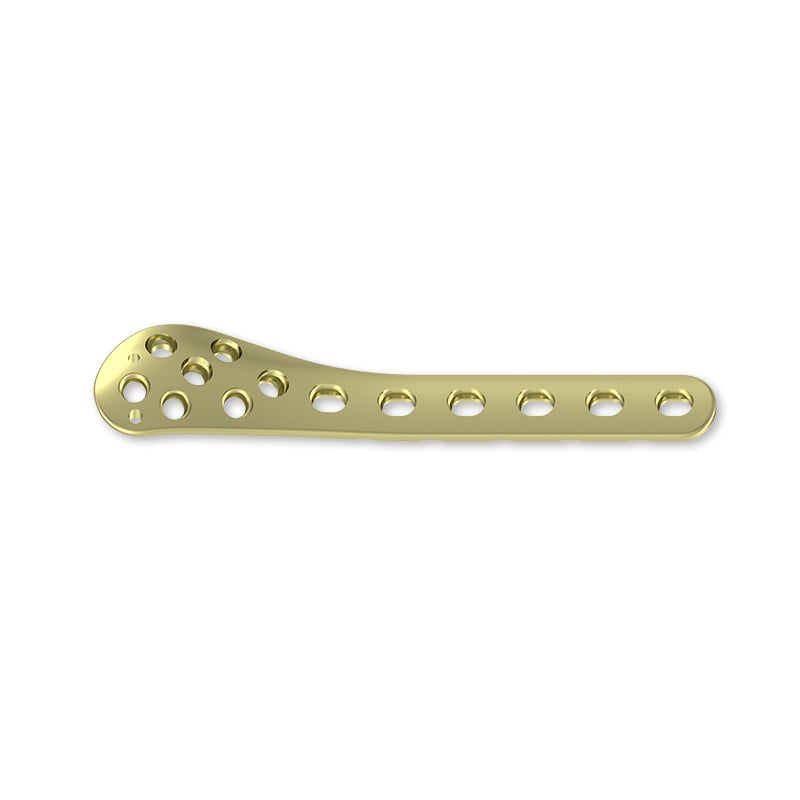
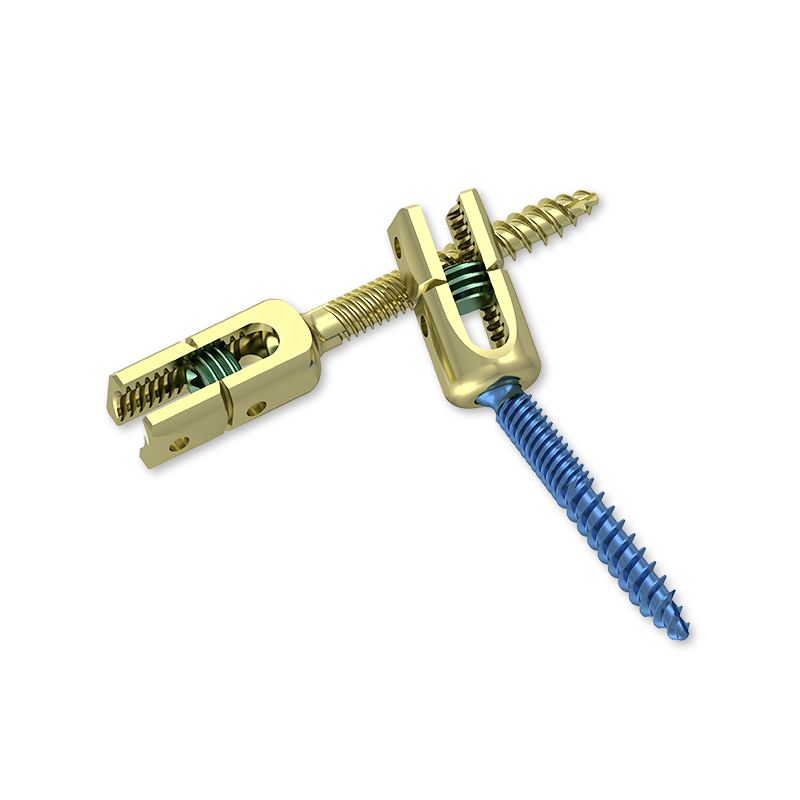
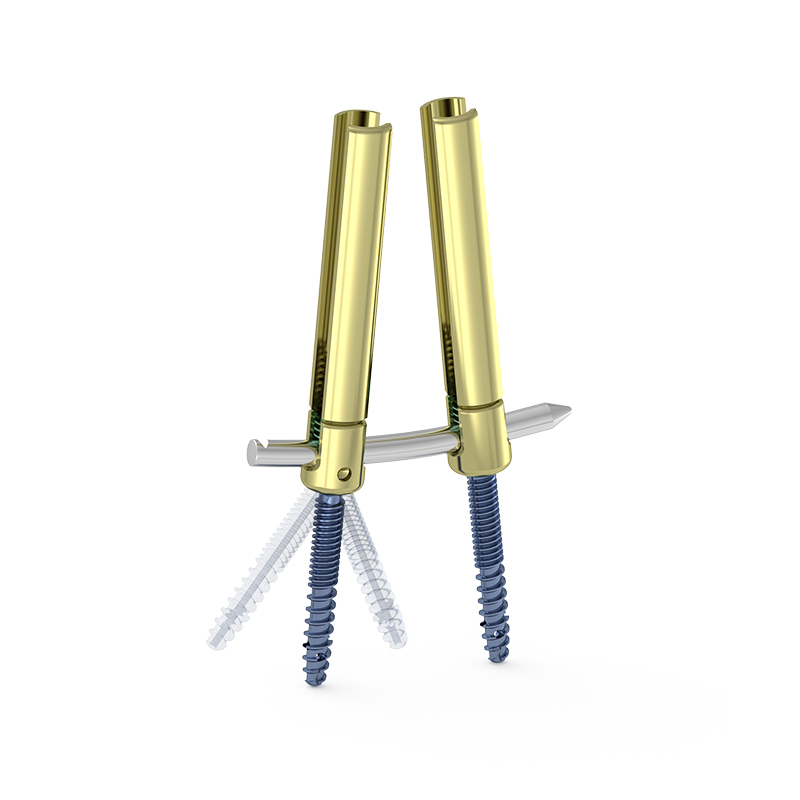
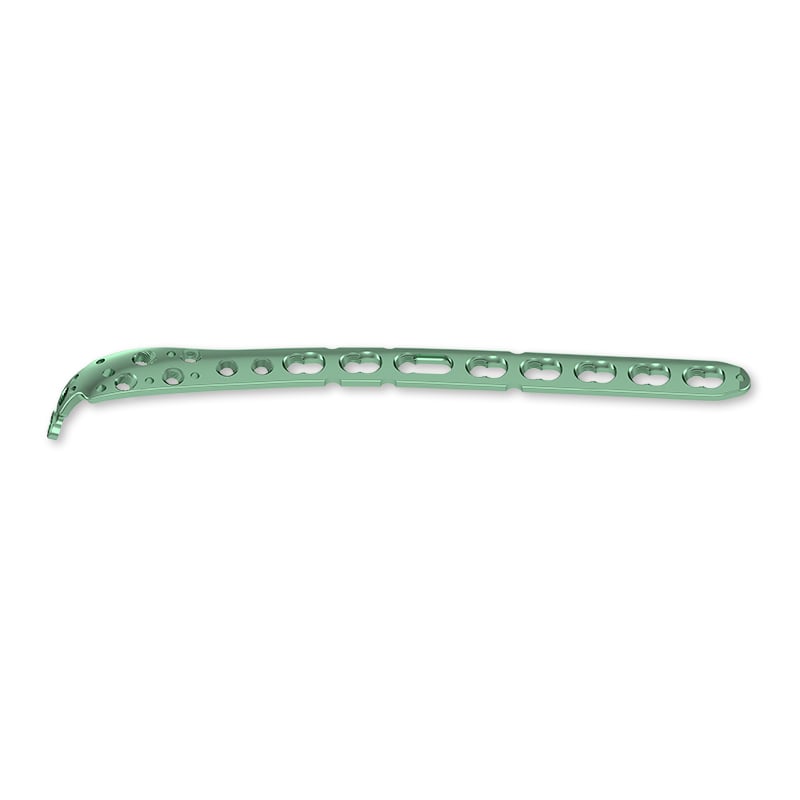
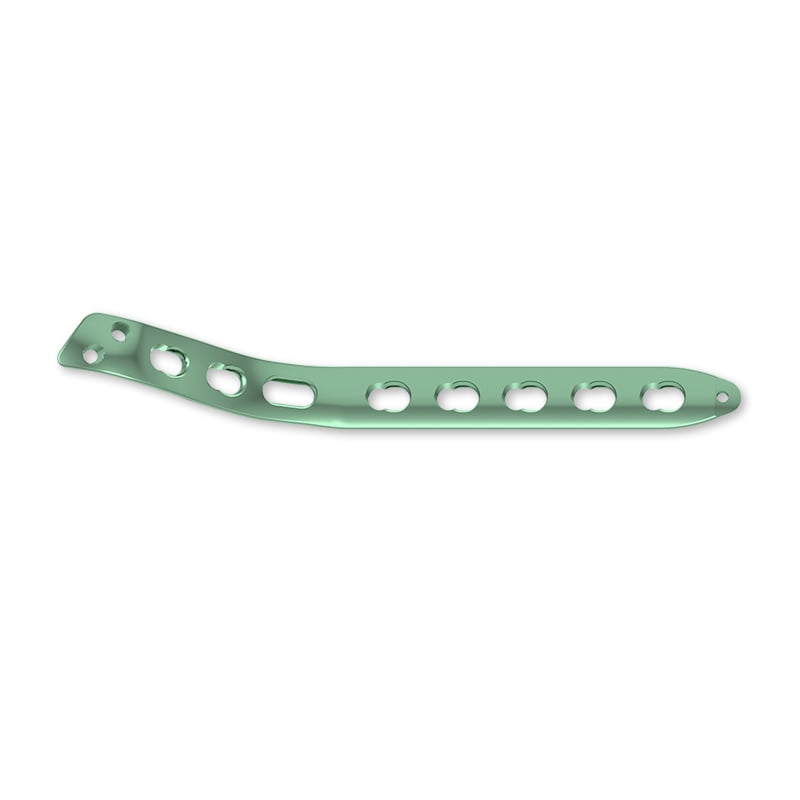
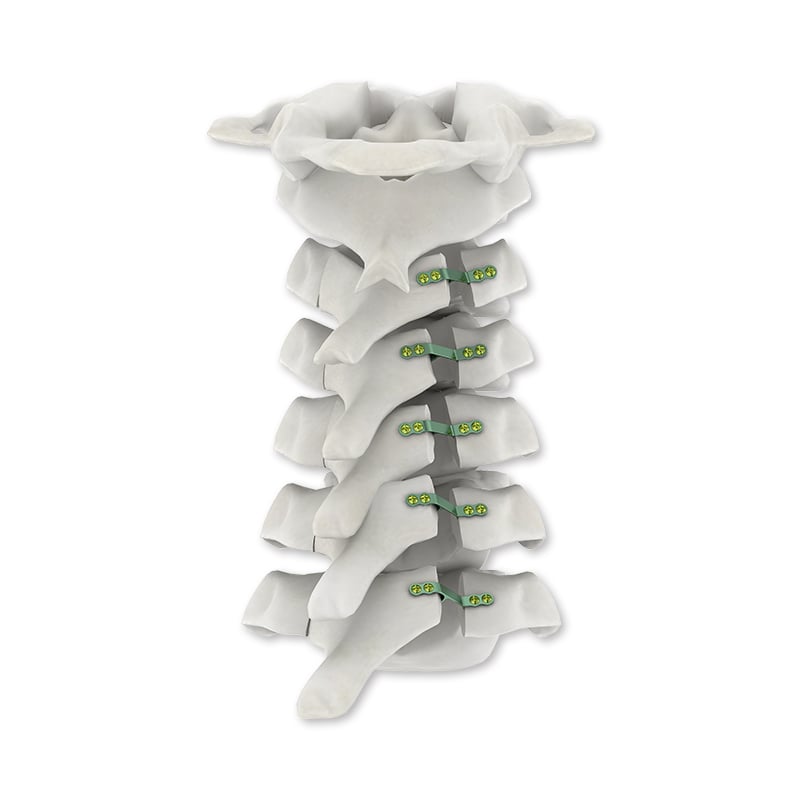
A bone plate fixation system is an advanced orthopedic solution designed to stabilize and support fractured or broken bones during the healing process. This medical device consists of specially engineered metal plates and screws that surgeons attach directly to bone surfaces, providing rigid fixation that maintains proper alignment while natural healing occurs. The bone plate fixation system serves as an internal scaffold, distributing mechanical stress evenly across the fracture site and preventing displacement that could compromise recovery. Modern systems utilize biocompatible materials such as titanium alloys and stainless steel, ensuring long-term compatibility with human tissue. The technological features of a bone plate fixation system include anatomically contoured designs that match natural bone curvature, locking screw mechanisms that create fixed-angle constructs, and low-profile configurations that minimize soft tissue irritation. Advanced manufacturing techniques produce plates with optimal strength-to-weight ratios, while specialized surface treatments promote osseointegration. Applications span multiple orthopedic disciplines, including trauma surgery for acute fractures, reconstructive procedures for malunions, and corrective osteotomies. The bone plate fixation system proves particularly valuable in complex fracture patterns affecting long bones, periarticular regions, and areas where traditional casting proves insufficient. Surgeons rely on these systems for treating injuries in the upper and lower extremities, facial reconstruction, spinal stabilization, and pediatric fracture management where precise alignment is critical for proper growth and development.

New Product Recommendations

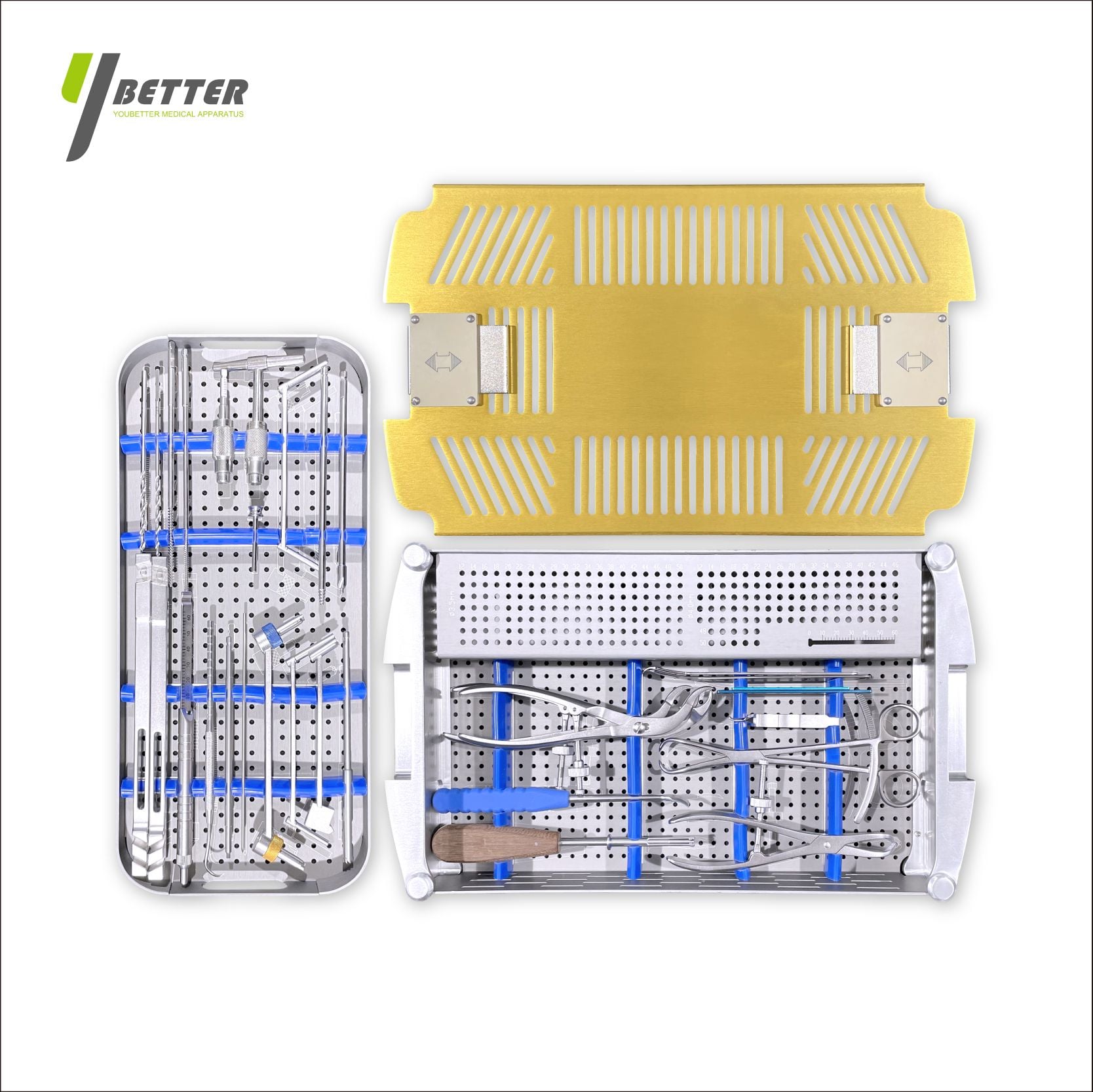
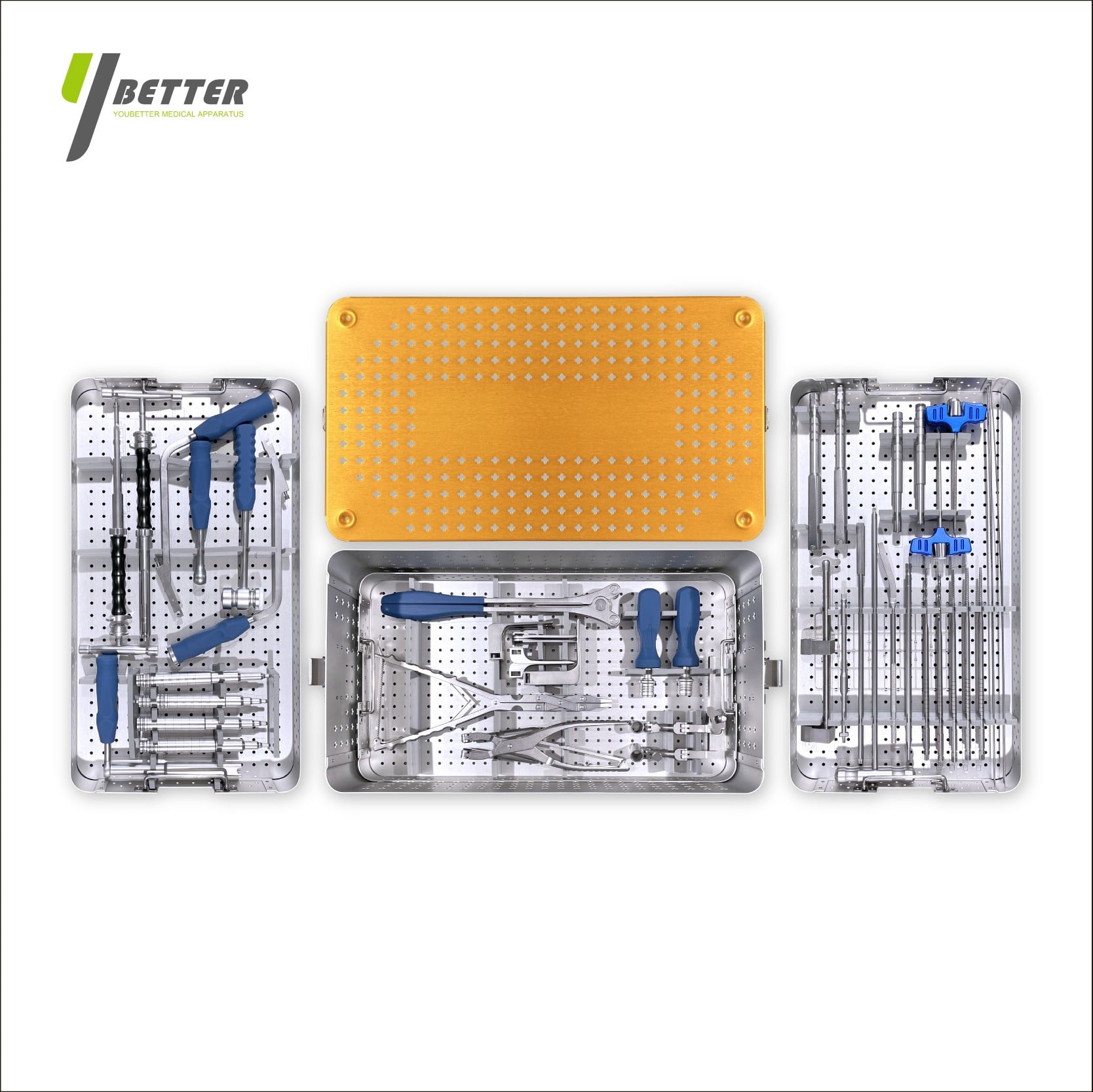
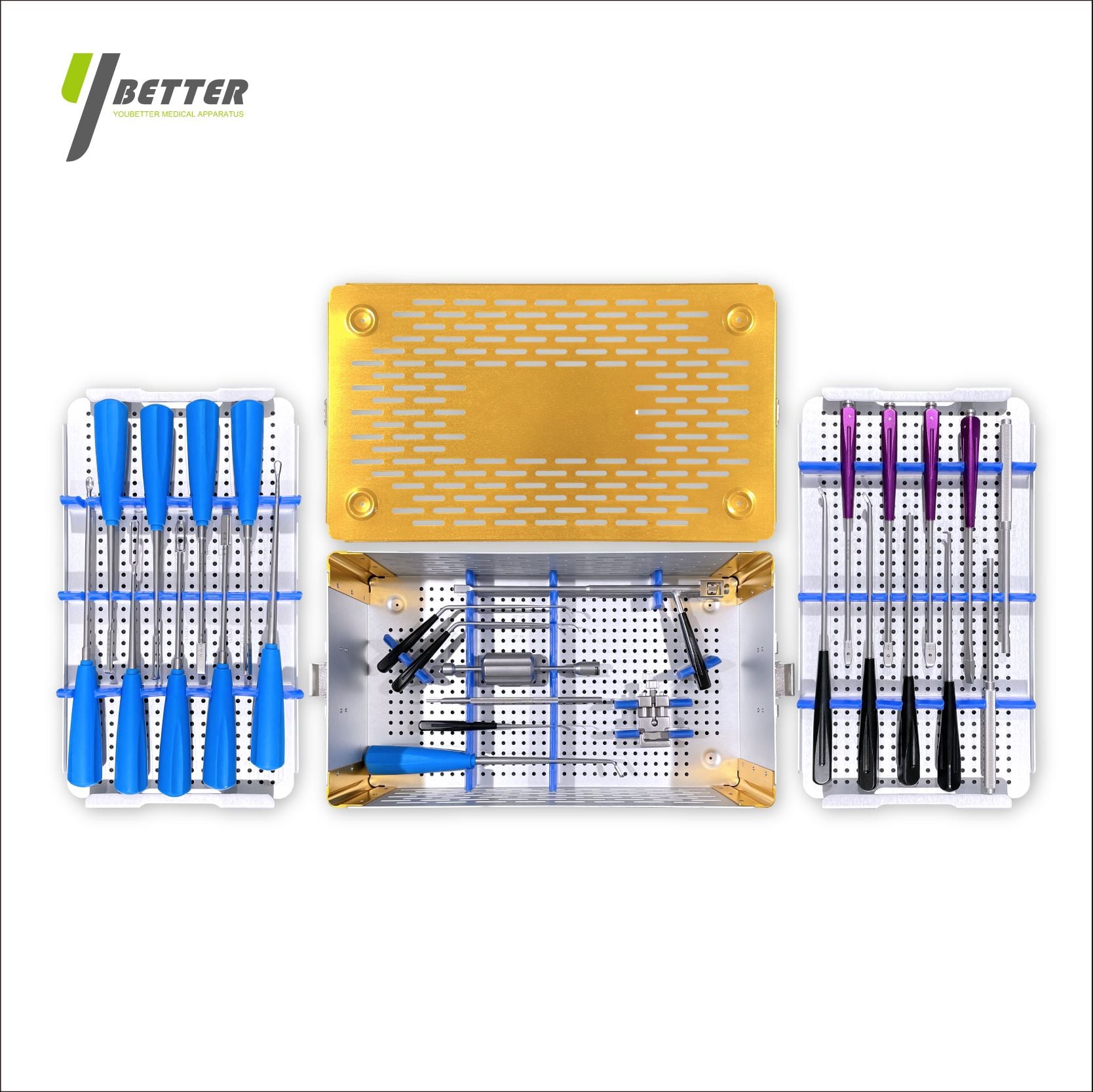
Choosing a bone plate fixation system offers significant practical benefits that directly impact patient outcomes and surgical efficiency. The primary advantage lies in superior fracture stability compared to external casting methods, allowing patients to begin rehabilitation exercises earlier and reducing overall recovery time. This accelerated healing timeline means patients return to work and daily activities faster, minimizing income loss and improving quality of life during recovery. The bone plate fixation system provides surgeons with precise control over bone alignment, ensuring anatomical reduction that prevents long-term complications such as joint stiffness, chronic pain, or improper healing. This precision is particularly valuable for complex fractures where even minor misalignment could cause permanent functional impairment. From an operational perspective, the system simplifies surgical procedures through standardized instrumentation and technique, reducing operating room time and associated costs. The versatility of the bone plate fixation system makes it suitable for diverse patient populations, from young athletes requiring rapid return to sports to elderly patients needing reliable fixation despite compromised bone quality. Modern designs accommodate various bone sizes and fracture patterns, eliminating the need for custom solutions in most cases. The internal nature of the bone plate fixation system eliminates bulky external hardware, allowing patients greater comfort and mobility during healing while maintaining professional appearance. For healthcare facilities, these systems represent cost-effective solutions when considering the total care pathway, as they reduce readmission rates related to fracture complications and decrease the need for revision surgeries. The proven track record of the bone plate fixation system across decades of clinical use provides confidence for both medical professionals and patients making treatment decisions.

Tips And Tricks

What Are the Differences Between Monoaxial and Polyaxial Pedicle Screw?

02

Jun

What Are the Differences Between Monoaxial and Polyaxial Pedicle Screw?

In spinal surgery, choosing the right implant can directly influence surgical outcomes, patient recovery, and long-term construct stability. Among the most critical decisions a spine surgeon faces is selecting the appropriate type of pedicle screw fo...
View More
How Do Pedicle Screw Systems Support Scoliosis Correction Surgery?

02

Jun

How Do Pedicle Screw Systems Support Scoliosis Correction Surgery?

Scoliosis correction surgery is one of the most technically demanding procedures in modern spinal orthopedics. The ability to realign a severely curved spine, restore sagittal balance, and maintain long-term structural integrity depends heavily on th...
View More
How to Choose the Right Pedicle Screw Size for Lumbar Fusion Procedures?

02

Jun

How to Choose the Right Pedicle Screw Size for Lumbar Fusion Procedures?

Selecting the correct pedicle screw size for lumbar fusion procedures is one of the most consequential decisions a spine surgeon makes during operative planning. The diameter, length, and thread design of each pedicle screw directly influence fixatio...
View More
How Do Spinal Screw Systems Perform in Osteoporotic Patients?

06

Jul

How Do Spinal Screw Systems Perform in Osteoporotic Patients?

When a surgeon places a spinal screw into osteoporotic bone, the mechanical environment is fundamentally different from that of healthy vertebral bone. Osteoporosis reduces bone mineral density and disrupts trabecular architecture, leaving the cancel...
View More

Get a Free Quote

Our representative will contact you soon.
Email
Name
Company Name
Message
0/1000

bone plate fixation system

Anatomically Optimized Design Engineering

Anatomically Optimized Design Engineering

The bone plate fixation system features sophisticated anatomical contouring that precisely matches the natural three-dimensional geometry of human bones across different skeletal regions. This design philosophy ensures optimal plate-to-bone contact, distributing mechanical forces uniformly and preventing stress concentration points that could lead to implant failure or bone damage. Engineers develop these contours using extensive anatomical databases and advanced imaging analysis, creating plates that require minimal intraoperative bending and reducing surgical time. The pre-contoured nature of the bone plate fixation system also decreases the risk of plate weakening that can occur with excessive manual manipulation. Multiple plate sizes and configurations within each system accommodate anatomical variation across patient populations, ensuring appropriate fit regardless of bone dimensions. This attention to anatomical detail translates directly into improved clinical outcomes, as proper plate positioning facilitates better fracture reduction, reduces soft tissue irritation, and promotes faster patient recovery. The engineering excellence behind the bone plate fixation system represents years of biomechanical research and clinical feedback, resulting in products that surgeons trust for even the most challenging fracture scenarios.
Advanced Locking Screw Technology

Advanced Locking Screw Technology

The bone plate fixation system incorporates state-of-the-art locking screw mechanisms that create fixed-angle constructs superior to conventional compression plating techniques. When locking screws engage with threaded plate holes, they form a unified implant-bone construct that functions as an internal fixator, providing angular stability even in osteoporotic bone where purchase may be compromised. This technology proves especially beneficial for elderly patients or those with metabolic bone diseases where traditional screws might loosen over time. The locking feature of the bone plate fixation system allows surgeons to employ bridge plating techniques, where the plate does not directly contact bone across the fracture zone, preserving periosteal blood supply and promoting biological healing. This approach reduces the risk of infection and nonunion compared to traditional methods requiring extensive bone exposure. The precision-machined threads in both screws and plate holes ensure consistent locking engagement, eliminating the variability associated with surgeon technique. Additionally, the bone plate fixation system often includes combination holes that accept both locking and non-locking screws, providing surgical flexibility to address specific fracture characteristics and achieve optimal compression where needed while maintaining angular stability in critical regions.
Biocompatible Material Selection

Biocompatible Material Selection

The bone plate fixation system utilizes premium-grade biocompatible materials carefully selected for their mechanical properties, corrosion resistance, and long-term tissue compatibility. Titanium alloys represent the most common material choice, offering an exceptional strength-to-weight ratio while demonstrating excellent osseointegration characteristics that promote bone healing around the implant. These materials resist corrosion in the physiological environment, preventing metal ion release that could cause adverse tissue reactions or systemic complications. The bone plate fixation system manufactured from titanium also provides radiolucency advantages, allowing clearer post-operative imaging to monitor healing progress without significant artifact interference. For patients requiring magnetic resonance imaging, titanium implants cause minimal image distortion compared to stainless steel alternatives. Surface treatments applied to the bone plate fixation system components further enhance biocompatibility, with some manufacturers employing specialized coatings that actively promote bone cell adhesion and proliferation. The material selection also considers removal procedures, as titanium's favorable tissue response means implants can often remain permanently without causing problems, though removal remains straightforward if medically indicated. This careful attention to material science ensures the bone plate fixation system provides not only immediate mechanical stability but also long-term biological compatibility that supports optimal patient outcomes and quality of life.

Get a Free Quote

Our representative will contact you soon.
Email
Name
Company Name
Message
0/1000
Newsletter
Please Leave A Message With Us