Orthopedic Trauma Cannulated Screw Solutions

All Categories

Get a Free Quote

Our representative will contact you soon.
Email
Name
Company Name
Message
0/1000

orthopedic trauma cannulated screw

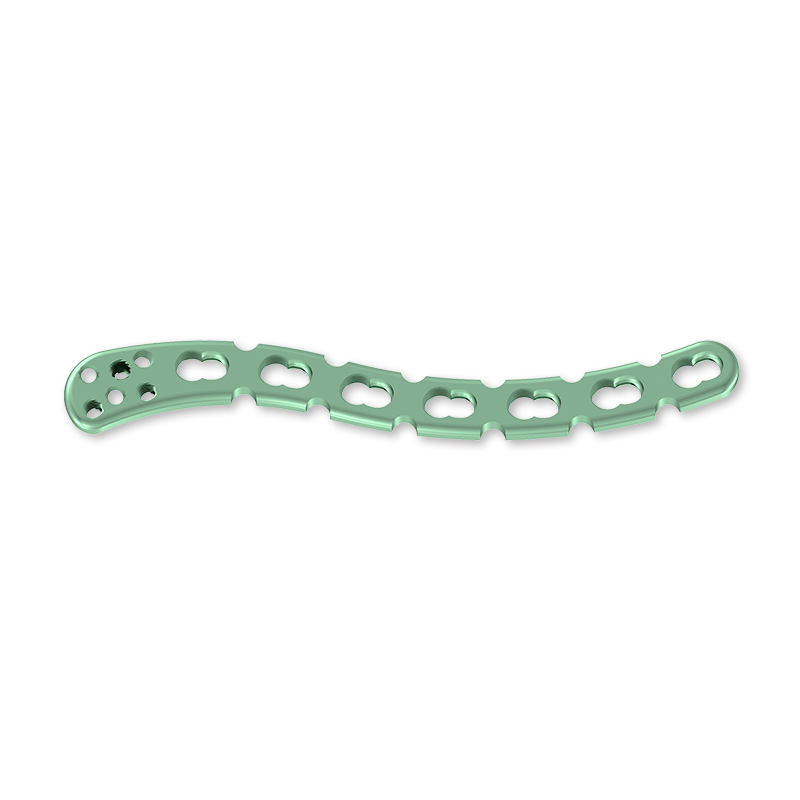
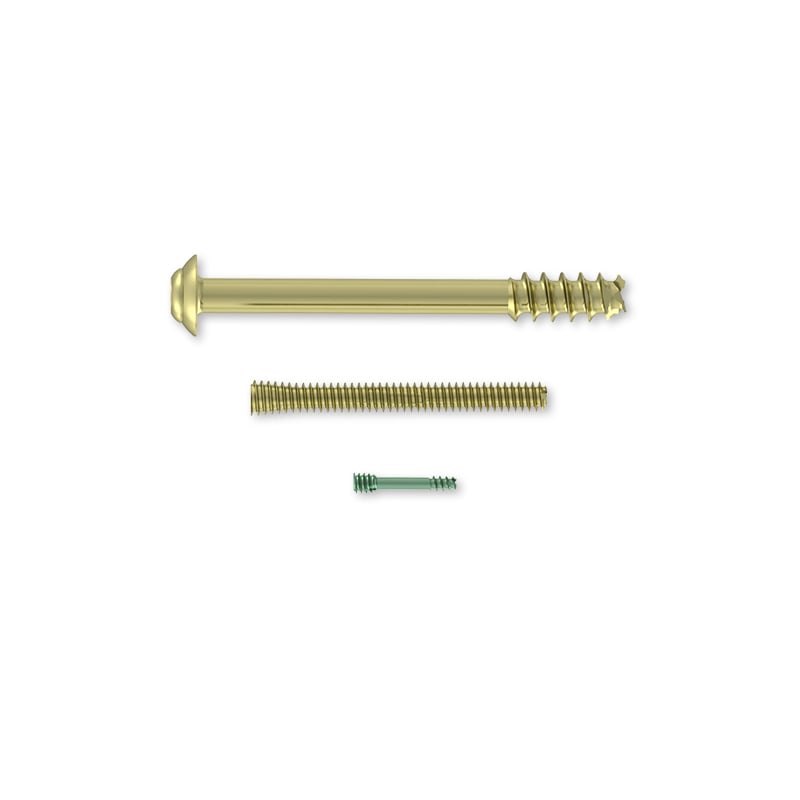
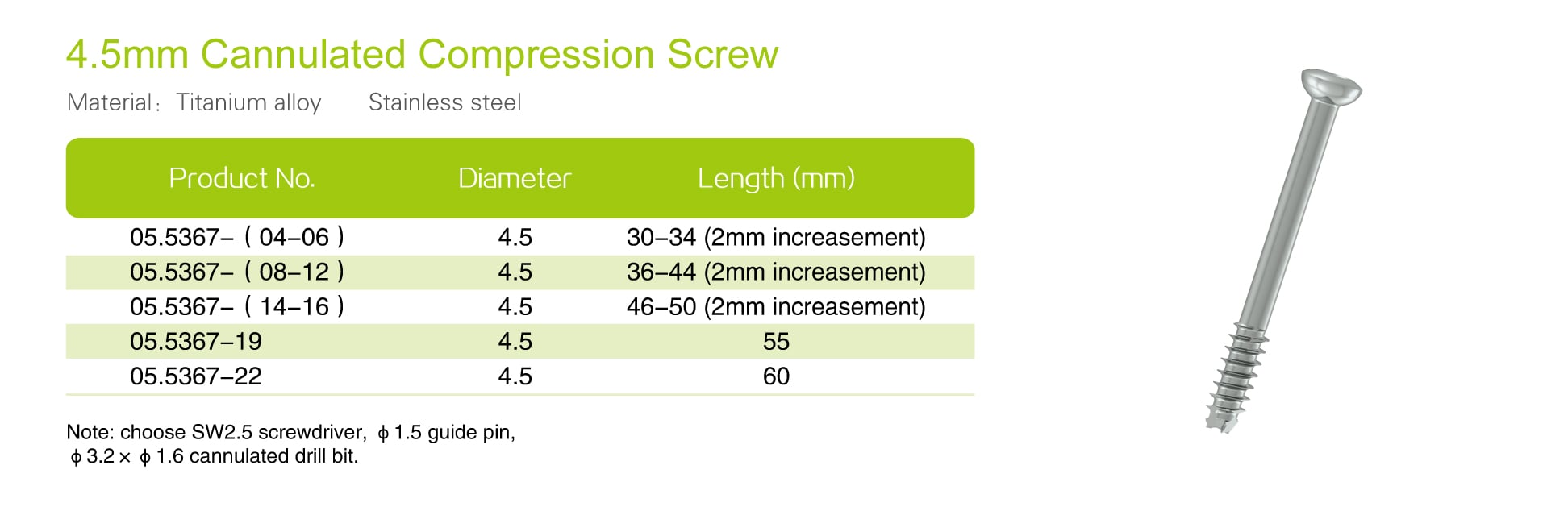
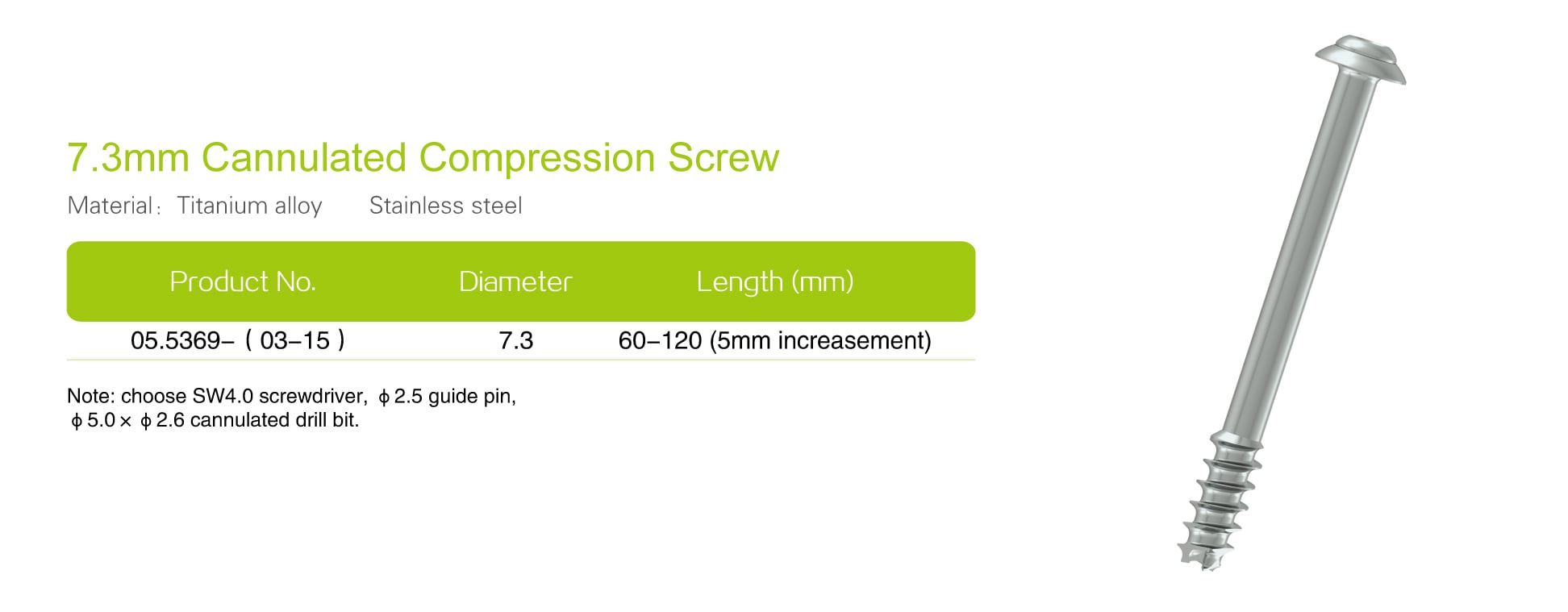
The orthopedic trauma cannulated screw represents a sophisticated surgical implant designed specifically for fracture fixation and bone reconstruction procedures. This specialized fastening device features a hollow central channel that allows surgeons to insert it over a guide wire, ensuring precise placement during complex orthopedic procedures. The orthopedic trauma cannulated screw serves as an essential tool for treating various traumatic injuries, including femoral neck fractures, scaphoid fractures, hip fractures, and other skeletal injuries requiring stable internal fixation. Manufactured from biocompatible materials such as titanium alloy or stainless steel, these screws provide exceptional strength while maintaining compatibility with the human body. The cannulated design distinguishes this implant from traditional solid screws by offering superior surgical control and accuracy. Surgeons utilize fluoroscopic guidance in combination with the guide wire technique to achieve optimal screw positioning, minimizing soft tissue damage and reducing operative time. The threaded shaft of the orthopedic trauma cannulated screw creates secure purchase within bone tissue, promoting stability during the healing process. Available in various diameters, lengths, and thread configurations, these versatile implants accommodate diverse anatomical requirements and fracture patterns. Advanced manufacturing processes ensure consistent quality and mechanical performance across all product specifications. The self-tapping feature incorporated in many designs eliminates the need for pre-tapping, streamlining surgical workflow and reducing procedural complexity for orthopedic surgeons worldwide.

New Products

Choosing the orthopedic trauma cannulated screw delivers multiple practical benefits that directly impact surgical outcomes and patient recovery. The hollow core design allows surgeons to work with enhanced precision, as the guide wire remains in place throughout insertion, eliminating guesswork and reducing the risk of misplacement. This accuracy translates to shorter operating room times, decreased radiation exposure during fluoroscopy, and lower complication rates for patients. Medical facilities benefit from operational efficiency as the streamlined insertion technique requires fewer surgical instruments and reduces procedural steps compared to traditional solid screw methods. The biocompatible materials used in manufacturing ensure excellent tissue integration and minimize adverse reactions, supporting faster healing and improved patient satisfaction. Buyers gain value through the versatile application range of these implants, as a single product line addresses multiple fracture types across different anatomical locations, simplifying inventory management and reducing storage costs. The mechanical strength of the orthopedic trauma cannulated screw provides reliable fixation even in osteoporotic bone, expanding treatment options for elderly patients and complex cases. Healthcare providers appreciate the reduced learning curve associated with the guide wire technique, enabling surgical teams to achieve consistent results with appropriate training. The self-drilling and self-tapping capabilities built into modern designs further simplify procedures, allowing surgeons to complete fixation efficiently without switching between multiple tools. Patients experience less soft tissue trauma due to the minimally invasive approach enabled by these implants, resulting in reduced postoperative pain, smaller incisions, and quicker return to daily activities. The cost-effectiveness emerges from decreased operative time, fewer instruments needed, and lower complication rates that reduce readmission expenses.

Tips And Tricks

How Do Orthopedic Implants Enhance Fracture Healing and Recovery?

02

Jun

How Do Orthopedic Implants Enhance Fracture Healing and Recovery?

When a bone fractures, the body initiates a complex biological cascade aimed at restoring structural integrity and function. However, in many cases, this natural process requires mechanical support to succeed. This is precisely where orthopedic impla...
View More
Why Is Pedicle Screw Accuracy Critical in Minimally Invasive Spine Surgery?

02

Jun

Why Is Pedicle Screw Accuracy Critical in Minimally Invasive Spine Surgery?

In the evolving landscape of spinal surgery, precision is not merely a technical preference — it is a clinical imperative. The pedicle screw has become the cornerstone of modern spinal fixation systems, offering surgeons a reliable anchor point...
View More
What Are the Differences Between Spinal Screw and Pedicle Screw Systems?

06

Jul

What Are the Differences Between Spinal Screw and Pedicle Screw Systems?

When evaluating spinal implant instrumentation, one of the most common points of confusion is the distinction between a general spinal screw and a pedicle screw system. Both are used in spinal surgery, but they differ significantly in anatomy, biomec...
View More
How to Optimize Pedicle Screw Placement for Better Surgical Outcomes?

06

Jul

How to Optimize Pedicle Screw Placement for Better Surgical Outcomes?

Achieving precise pedicle screw placement is one of the most critical skills in modern spinal surgery. When pedicle screw placement is performed accurately, it creates a stable fixation point that supports spinal fusion, corrects deformity, and reduc...
View More

Get a Free Quote

Our representative will contact you soon.
Email
Name
Company Name
Message
0/1000

orthopedic trauma cannulated screw

Precision Guide Wire Technology

Precision Guide Wire Technology

The defining characteristic of the orthopedic trauma cannulated screw lies in its hollow central channel, which accommodates a guide wire throughout the entire insertion process. This innovative design feature fundamentally transforms surgical accuracy by providing a stable reference point from initial positioning to final placement. Surgeons first insert a thin guide wire through the fracture site under fluoroscopic visualization, confirming optimal trajectory before introducing the screw. The cannulated structure then slides smoothly over this wire, following the predetermined path with exceptional precision. This technique proves particularly valuable in anatomically challenging regions where millimeter-level accuracy determines success or failure. The guide wire prevents screw deviation during insertion, eliminating common complications associated with freehand placement. Surgical teams benefit from increased confidence during procedures, knowing the implant will track exactly along the planned trajectory. This technology reduces revision surgery rates and improves first-attempt success rates significantly. The ability to verify positioning before committing to final insertion represents a critical safety advantage in complex trauma cases involving joint surfaces or critical neurovascular structures.
Versatile Clinical Applications

Versatile Clinical Applications

The orthopedic trauma cannulated screw demonstrates remarkable adaptability across numerous anatomical sites and fracture configurations, making it an indispensable component of modern trauma care. These implants excel in treating femoral neck fractures, providing stable fixation that supports early weight-bearing and reduces mortality risk in elderly populations. Hand and wrist surgeons rely on smaller diameter versions for scaphoid fracture fixation, where the minimally invasive approach preserves delicate soft tissue structures and blood supply. Hip fracture management benefits significantly from cannulated screw fixation, particularly in younger patients where joint preservation remains paramount. Ankle fractures, tibial plateau injuries, and calcaneal reconstructions all represent suitable applications for these versatile implants. The product range includes pediatric sizes for growing patients and specialized designs for specific anatomical challenges. Orthopedic surgeons appreciate having a single fixation solution applicable to multiple body regions, reducing the complexity of surgical planning and inventory management. The standardized insertion technique transfers seamlessly between different anatomical locations, allowing surgical teams to develop proficiency that applies broadly across trauma cases. This versatility delivers exceptional value for healthcare facilities serving diverse patient populations with varying injury patterns.
Enhanced Biomechanical Stability

Enhanced Biomechanical Stability

The structural engineering behind the orthopedic trauma cannulated screw delivers superior biomechanical performance despite the hollow core design. Advanced computational modeling and rigorous testing ensure these implants provide fixation strength comparable to or exceeding solid screw alternatives. The thread geometry is specifically optimized to maximize bone purchase and resistance to pullout forces, critical factors in maintaining fracture reduction during healing. Variable pitch threading options allow surgeons to achieve compression at fracture sites, actively promoting bone healing through mechanical stimulation. The cannulated design does not compromise torsional or axial strength, as materials science advances and precise manufacturing tolerances compensate for the central channel. Titanium alloy construction offers an ideal balance between strength and elasticity, reducing stress shielding while providing adequate support. The implant surface treatments promote osseointegration, creating biological fixation that supplements mechanical stability over time. Surgeons can confidently apply these screws in load-bearing locations, knowing they will maintain reduction throughout the critical healing period. The mechanical reliability translates directly to better functional outcomes, as stable fixation enables earlier mobilization and physical therapy. Patients experience fewer hardware failures and complications, reducing the need for secondary procedures and associated healthcare costs.

Get a Free Quote

Our representative will contact you soon.
Email
Name
Company Name
Message
0/1000
Newsletter
Please Leave A Message With Us