cannulated screw vs cortical screw
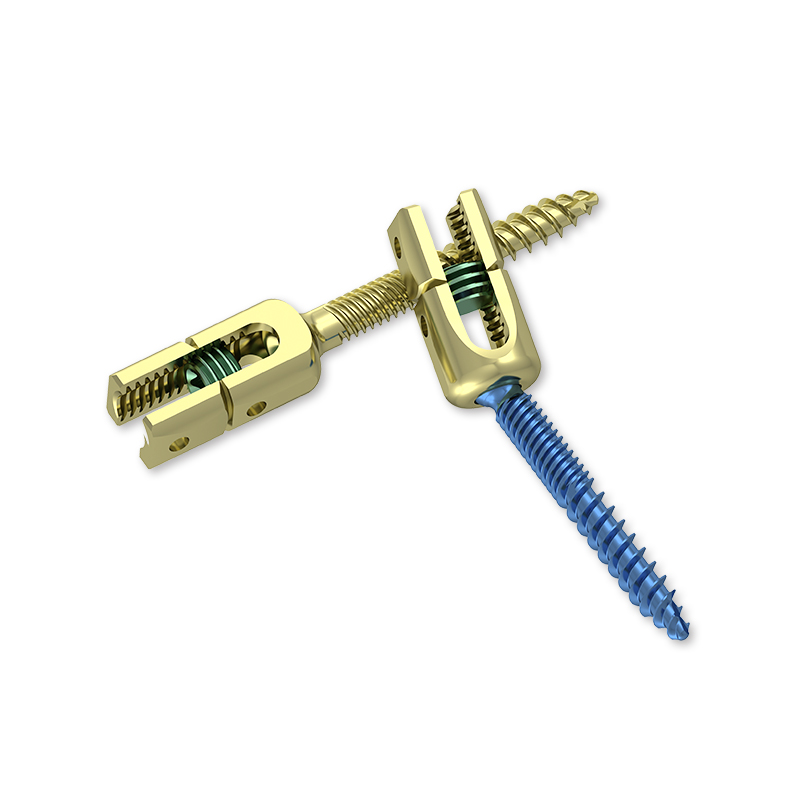
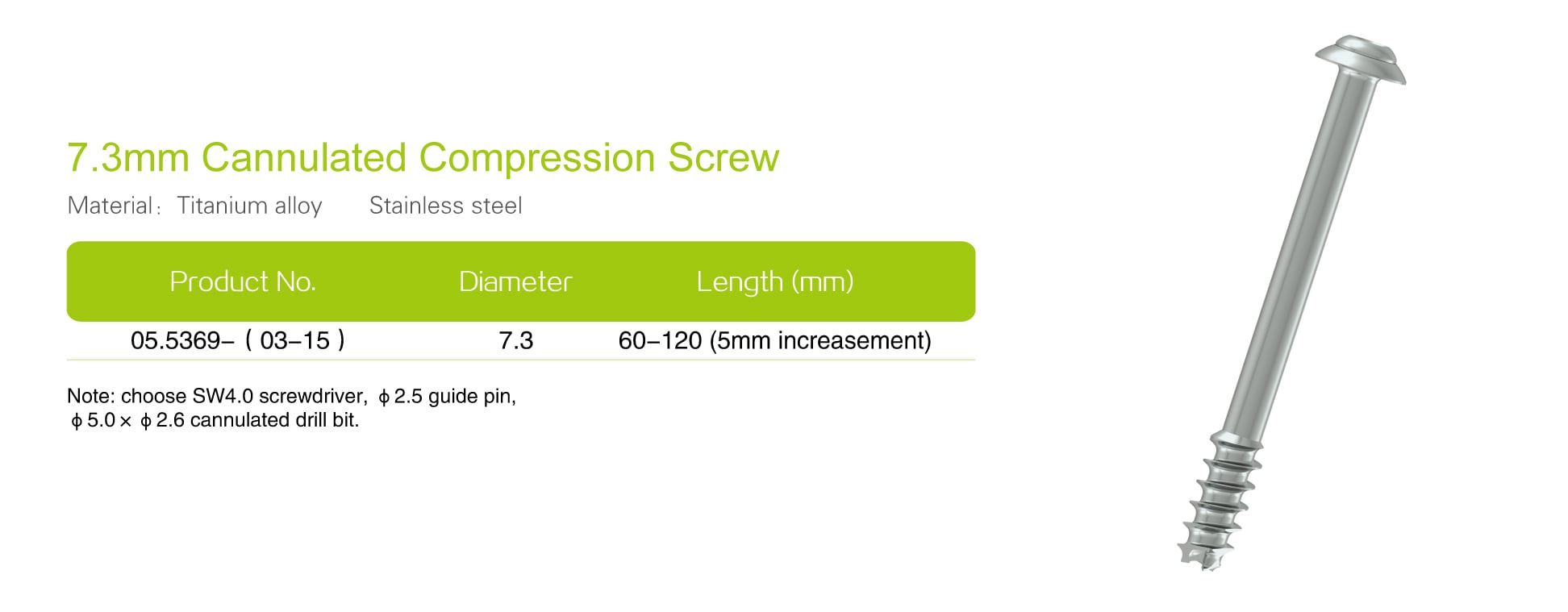
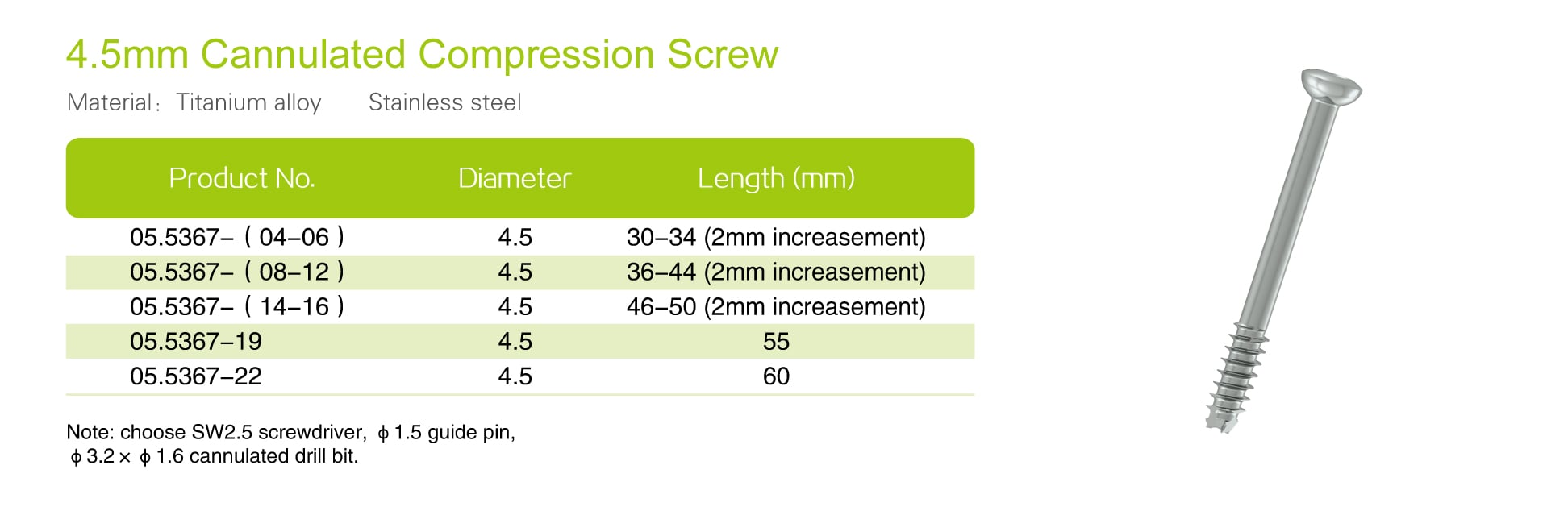
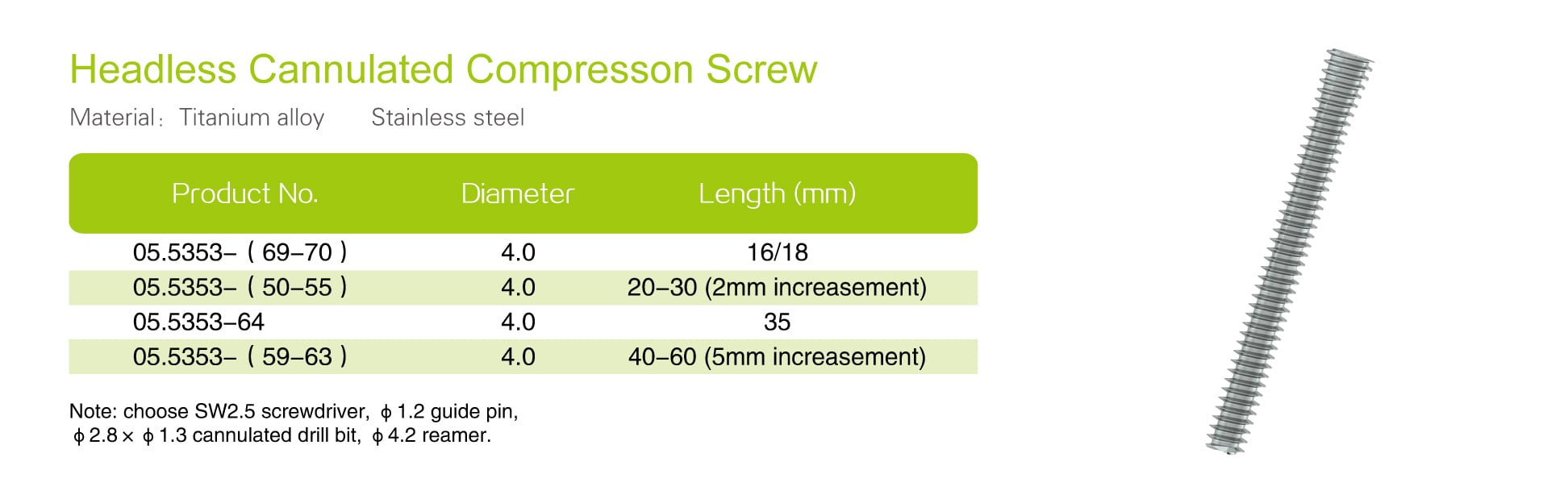
Understanding the cannulated screw vs cortical screw comparison is essential for orthopedic surgeons, medical device buyers, and healthcare facilities making informed decisions about fixation hardware. Both screw types serve crucial roles in bone fracture repair and surgical reconstruction, yet they differ significantly in design, application, and surgical technique. Cannulated screws feature a hollow central channel running through their entire length, allowing surgeons to insert them over a guidewire for precise placement under fluoroscopic guidance. This design enables accurate positioning in complex anatomical regions and facilitates minimally invasive surgical approaches. The cannulated screw vs cortical screw distinction becomes apparent when examining cortical screws, which are solid-core fasteners designed specifically to engage dense cortical bone with their fine thread pattern and robust construction. Cortical screws provide exceptional pullout strength and are commonly used in plate fixation, interfragmentary compression, and areas requiring maximum holding power. When evaluating cannulated screw vs cortical screw options, surgeons must consider factors including fracture pattern, bone quality, surgical approach, and desired outcome. Cannulated screws excel in percutaneous procedures, scaphoid fixation, femoral neck fractures, and situations demanding precise trajectory control. Cortical screws dominate applications involving plate and screw constructs, diaphyseal fractures, and cortical bone engagement. The cannulated screw vs cortical screw decision ultimately depends on surgical requirements, with many procedures benefiting from strategic use of both screw types to optimize fixation stability and patient outcomes.

 EN
EN