Spinal Surgery Screw - Advanced Fixation Solutions

All Categories

Get a Free Quote

Our representative will contact you soon.
Email
Name
Company Name
Message
0/1000

spinal surgery screw

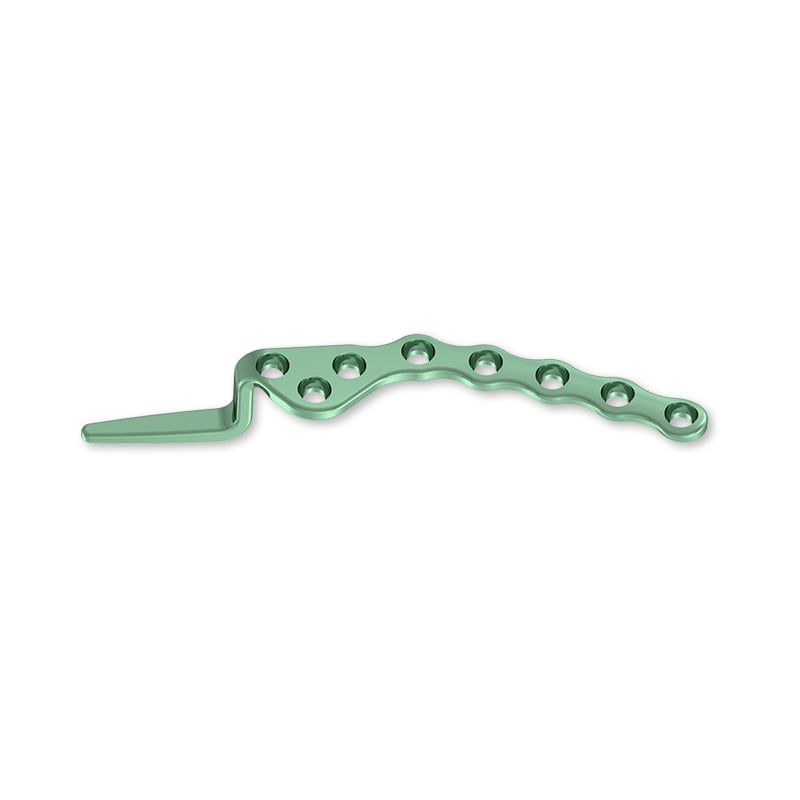
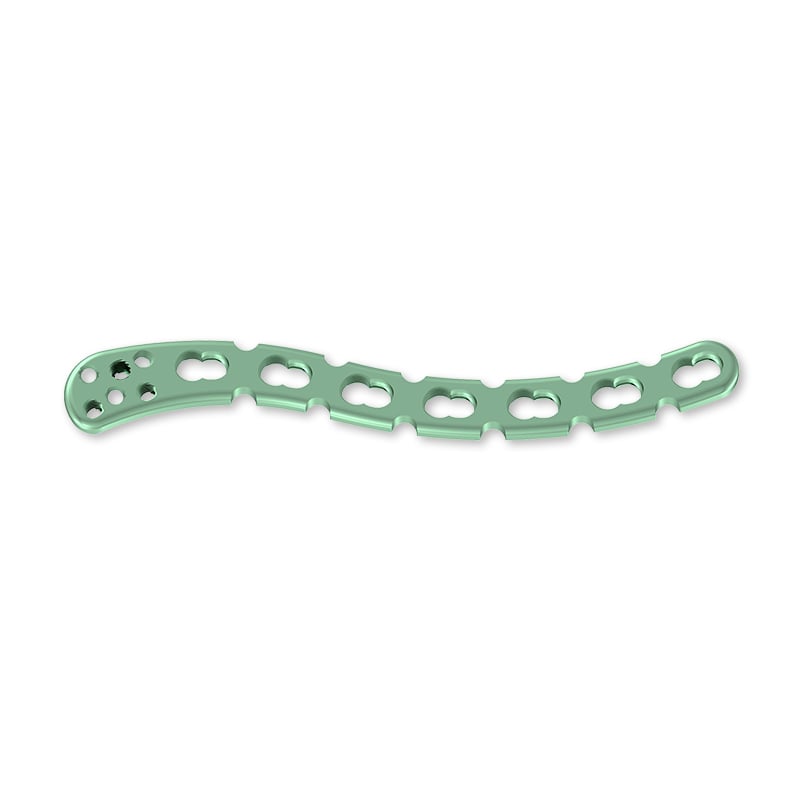
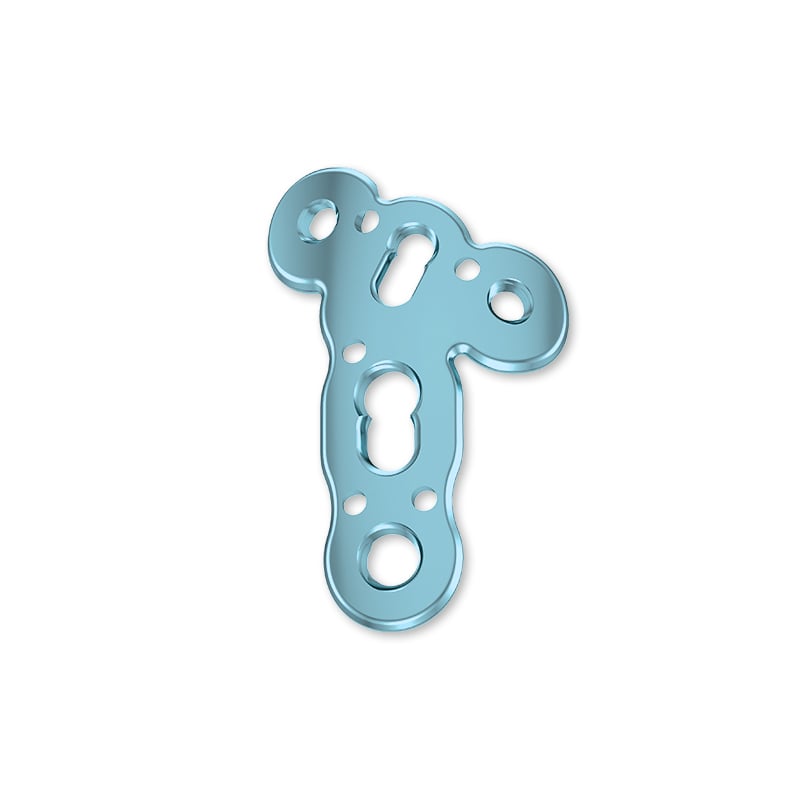
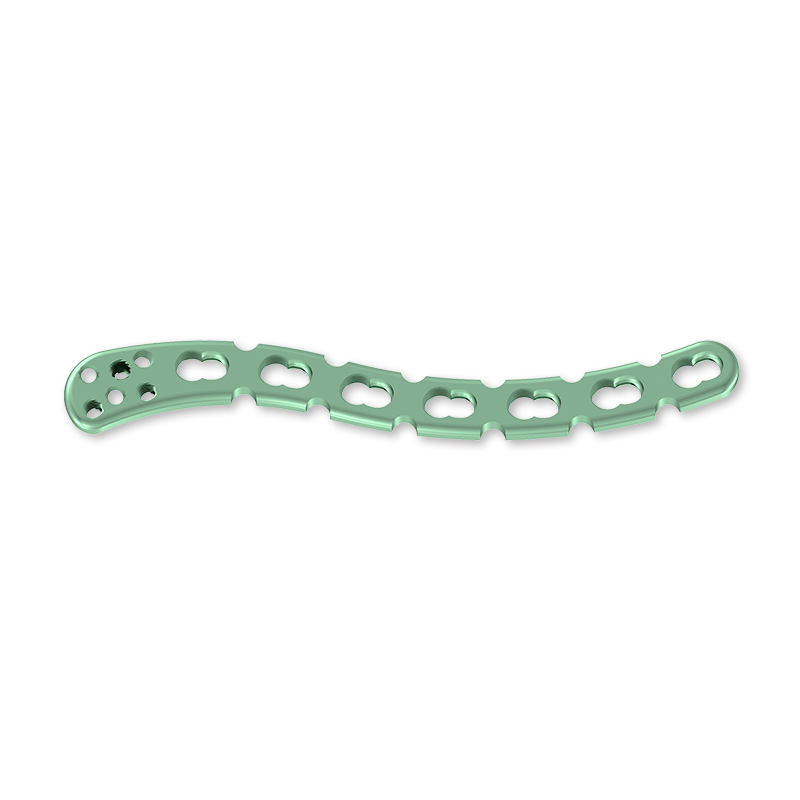
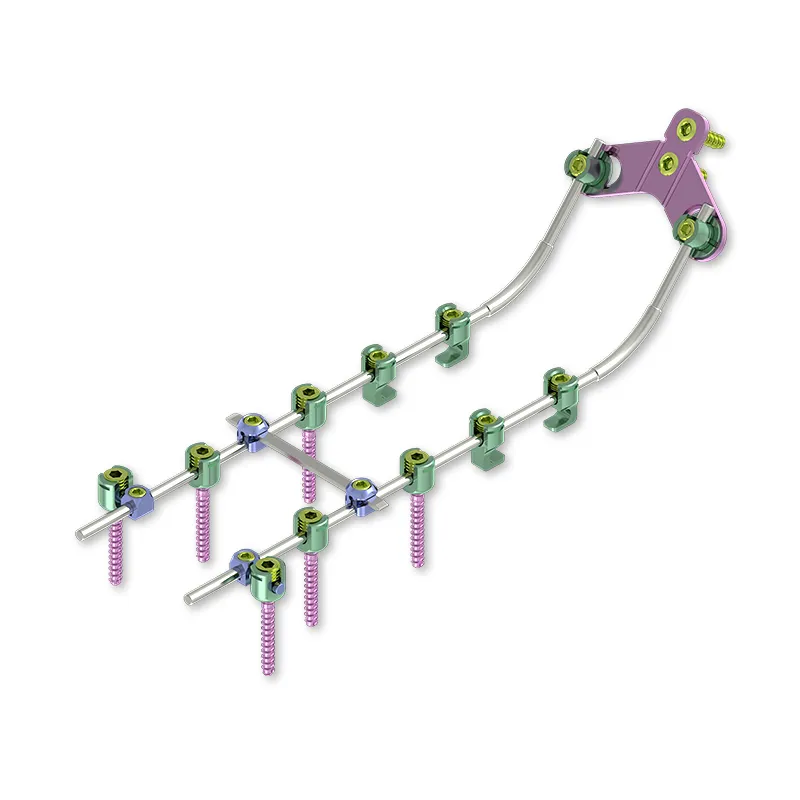
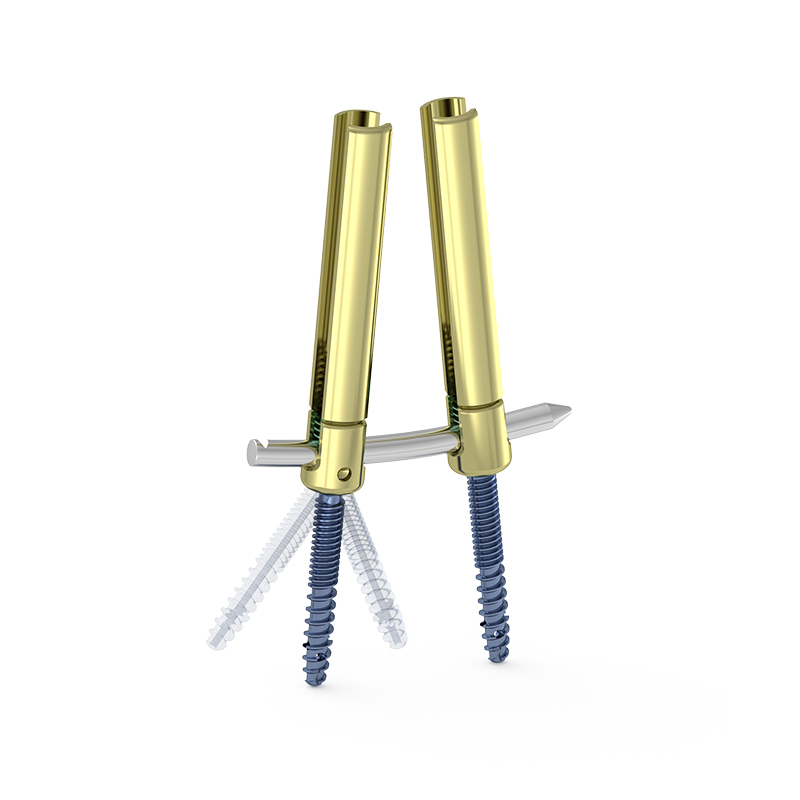
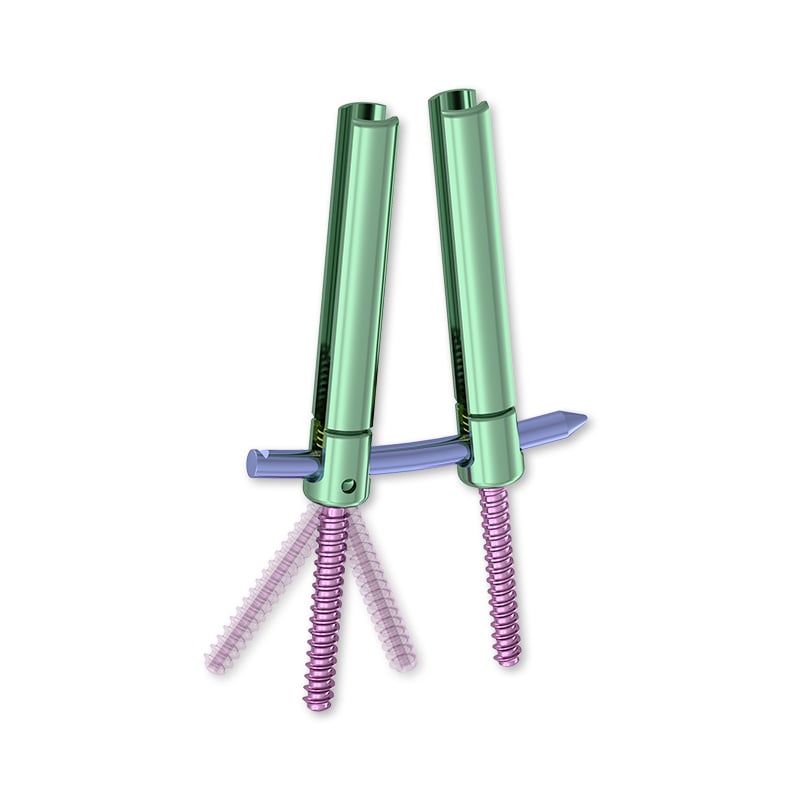
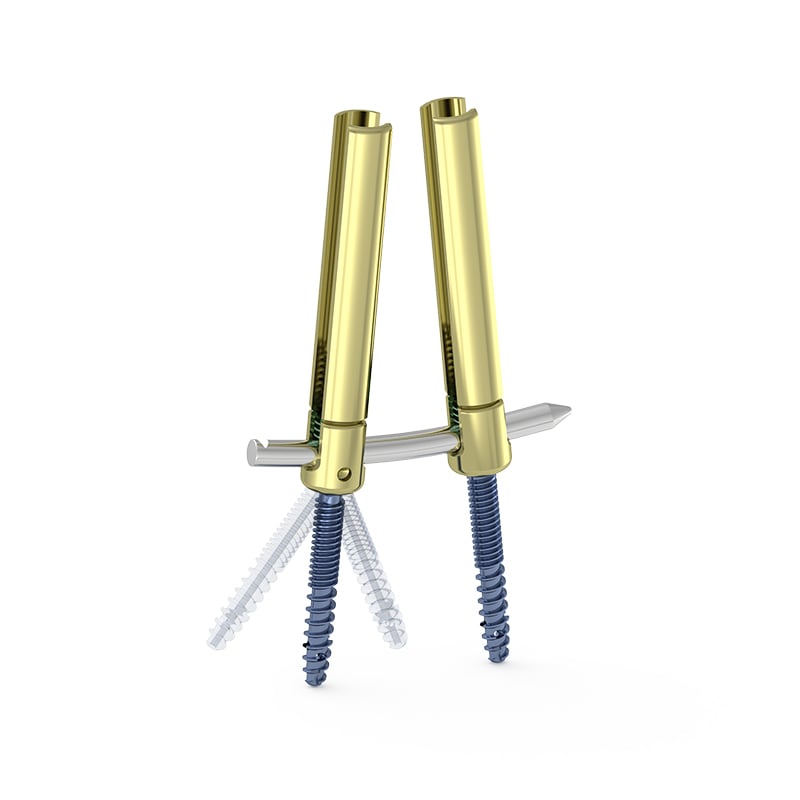
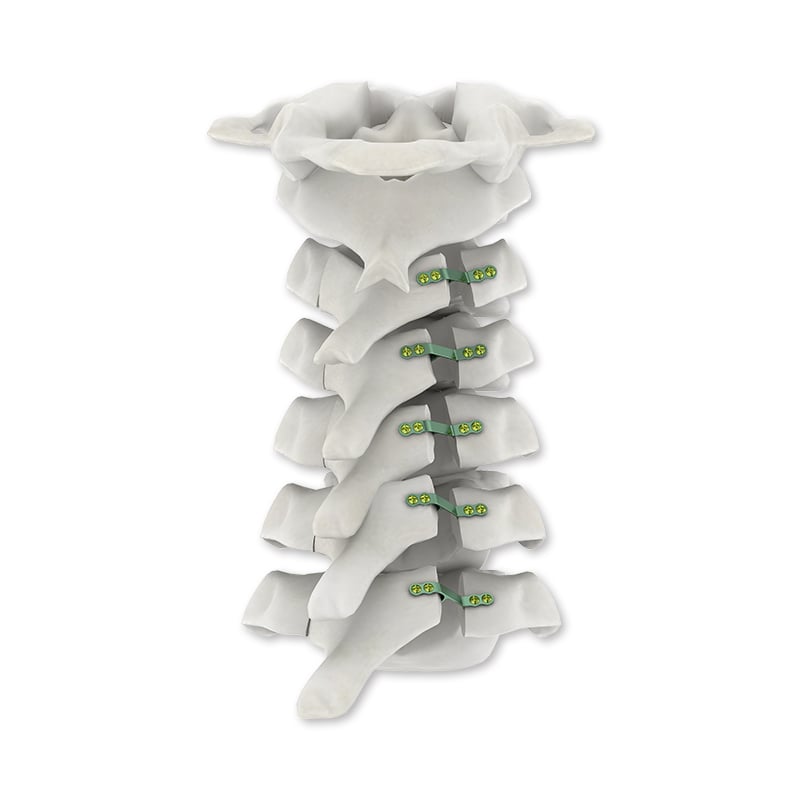
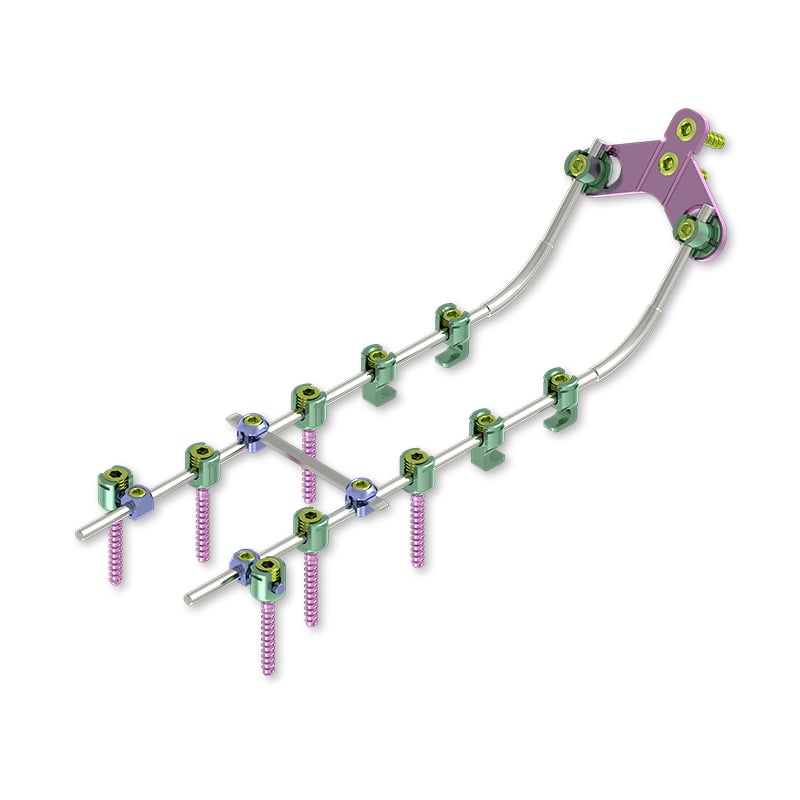
A spinal surgery screw is a specialized orthopedic implant designed to stabilize and fixate vertebral segments during spinal reconstruction procedures. These precision-engineered devices play a critical role in treating various spinal conditions including degenerative disc disease, scoliosis, fractures, and spinal instability. The spinal surgery screw works by anchoring into the pedicle or vertebral body, providing a secure foundation for connecting rods and plates that maintain proper spinal alignment during the healing process. Modern spinal surgery screws incorporate advanced biomechanical designs that maximize pullout strength while minimizing tissue trauma. Their primary functions include providing immediate structural support, facilitating bone fusion, correcting spinal deformities, and restoring spinal stability after injury or disease. Technological features of contemporary spinal surgery screw systems include self-tapping threads for easier insertion, cannulated designs that allow guidewire placement for enhanced accuracy, and low-profile heads that reduce soft tissue irritation. Many designs feature dual-thread technology that improves purchase in both healthy and osteoporotic bone. Applications span across multiple surgical approaches including posterior lumbar interbody fusion, transforaminal lumbar interbody fusion, and cervical fixation procedures. Surgeons rely on the spinal surgery screw as a fundamental component in both minimally invasive and open spinal procedures, with sizing options ranging from pediatric to adult dimensions to accommodate diverse patient anatomies and surgical requirements.

New Products

The spinal surgery screw delivers significant practical benefits that directly impact surgical outcomes and patient recovery. For healthcare facilities and surgeons, these devices offer reliable fixation strength that reduces the risk of hardware failure and revision surgeries, translating to better clinical results and lower overall treatment costs. The operational benefits include streamlined insertion techniques that reduce surgical time, which minimizes anesthesia exposure and decreases infection risk for patients. Modern spinal surgery screw designs feature intuitive instrumentation that allows surgeons to achieve precise placement with greater confidence, even in challenging anatomical situations. The versatility of application makes the spinal surgery screw suitable for treating patients across age groups and diverse spinal pathologies, from traumatic injuries to degenerative conditions. Buyers value the comprehensive size ranges available, ensuring the right fit for every surgical scenario without compromising fixation integrity. The biocompatible materials used in manufacturing, typically medical-grade titanium alloy or stainless steel, promote osseointegration while minimizing adverse tissue reactions. Decision-makers appreciate that investing in quality spinal surgery screw systems means fewer complications, which protects institutional reputation and improves patient satisfaction scores. From a practical standpoint, the durability and mechanical strength of these devices provide long-term stability, allowing patients to resume normal activities sooner. The low-profile designs reduce postoperative discomfort and soft tissue irritation, contributing to faster recovery times. For purchasing departments, the cost-effectiveness becomes evident through reduced revision rates and improved surgical efficiency, making the spinal surgery screw a sound investment for any facility performing spinal procedures.

Practical Tips

How Do Orthopedic Implants Enhance Fracture Healing and Recovery?

02

Jun

How Do Orthopedic Implants Enhance Fracture Healing and Recovery?

When a bone fractures, the body initiates a complex biological cascade aimed at restoring structural integrity and function. However, in many cases, this natural process requires mechanical support to succeed. This is precisely where orthopedic impla...
View More
What Are the Indications for Using Pedicle Screw in Degenerative Spine Disease?

02

Jun

What Are the Indications for Using Pedicle Screw in Degenerative Spine Disease?

Degenerative spine disease encompasses a broad spectrum of conditions that progressively compromise spinal stability, alignment, and neurological function. As these conditions advance, conservative management often fails to provide adequate relief, a...
View More
How to Choose the Right Pedicle Screw Size for Lumbar Fusion Procedures?

02

Jun

How to Choose the Right Pedicle Screw Size for Lumbar Fusion Procedures?

Selecting the correct pedicle screw size for lumbar fusion procedures is one of the most consequential decisions a spine surgeon makes during operative planning. The diameter, length, and thread design of each pedicle screw directly influence fixatio...
View More
What Role Does Spinal Screw Play in Complex Spinal Reconstruction?

06

Jul

What Role Does Spinal Screw Play in Complex Spinal Reconstruction?

In complex spinal reconstruction procedures, every implant must perform with precision and reliability. The spinal screw is one of the most critical components in these surgeries, serving as the primary anchor that holds rods, connectors, and bone se...
View More

Get a Free Quote

Our representative will contact you soon.
Email
Name
Company Name
Message
0/1000

spinal surgery screw

Superior Fixation Strength for Enhanced Stability

Superior Fixation Strength for Enhanced Stability

The spinal surgery screw is engineered with advanced thread geometry that delivers exceptional pullout resistance and axial stability in various bone densities. This critical feature ensures that the implant maintains secure purchase even in patients with compromised bone quality, such as those with osteoporosis or metabolic bone disorders. The dual-pitch thread design creates maximum contact area with surrounding bone tissue, distributing mechanical loads evenly and reducing stress concentration points that could lead to implant loosening. This superior fixation strength is particularly valuable in complex spinal reconstructions where multiple levels require stabilization, as it provides surgeons with confidence that the construct will maintain alignment throughout the fusion process. The enhanced stability directly translates to better clinical outcomes, with reduced rates of pseudarthrosis and hardware migration. For patients, this means a lower likelihood of requiring additional surgical interventions and a more predictable recovery trajectory with earlier return to functional activities.
Precision Engineering for Minimally Invasive Procedures

Precision Engineering for Minimally Invasive Procedures

Modern spinal surgery screws incorporate design innovations specifically tailored for minimally invasive surgical techniques that reduce tissue disruption and accelerate patient recovery. The cannulated core design allows these devices to be placed over guidewires with exceptional accuracy, enabling surgeons to achieve optimal trajectory even through small incisions with limited direct visualization. This precision capability is complemented by self-tapping and self-drilling tip geometries that eliminate the need for separate preparation steps, streamlining the insertion process and reducing overall operative time. The low-profile tulip heads are engineered to minimize the surgical corridor required for rod placement while maintaining robust connection strength. For surgical teams, this translates to simplified procedural workflows and reduced technical complexity. Patients benefit substantially from the minimally invasive compatibility of the spinal surgery screw through smaller incisions, less muscle dissection, reduced blood loss, decreased postoperative pain, and shorter hospital stays. These advantages combine to lower healthcare costs while improving patient satisfaction and enabling faster return to work and daily activities.
Versatile Application Across Multiple Surgical Indications

Versatile Application Across Multiple Surgical Indications

The spinal surgery screw system offers remarkable versatility that makes it suitable for a comprehensive range of spinal pathologies and surgical approaches across all spinal regions. Whether addressing degenerative conditions in the lumbar spine, correcting deformities in scoliosis cases, stabilizing traumatic fractures, or performing cervical fixation procedures, these devices provide consistent performance and reliable outcomes. The extensive size matrix available ensures that surgeons can select the optimal diameter and length for each specific anatomical situation and patient body habitus, from pediatric cases requiring smaller implants to large adult reconstructions demanding maximum fixation strength. This adaptability extends to compatibility with various rod systems and interbody devices, allowing integration into diverse surgical strategies and techniques. For healthcare institutions, maintaining a single comprehensive spinal surgery screw platform reduces inventory complexity while ensuring availability for all procedural needs. Surgeons appreciate the consistent handling characteristics across different sizes and applications, which reduces the learning curve and enhances procedural efficiency. The universal applicability of the spinal surgery screw makes it an essential component in any modern spinal surgery program, supporting clinical excellence across the full spectrum of spinal care.

Get a Free Quote

Our representative will contact you soon.
Email
Name
Company Name
Message
0/1000
Newsletter
Please Leave A Message With Us