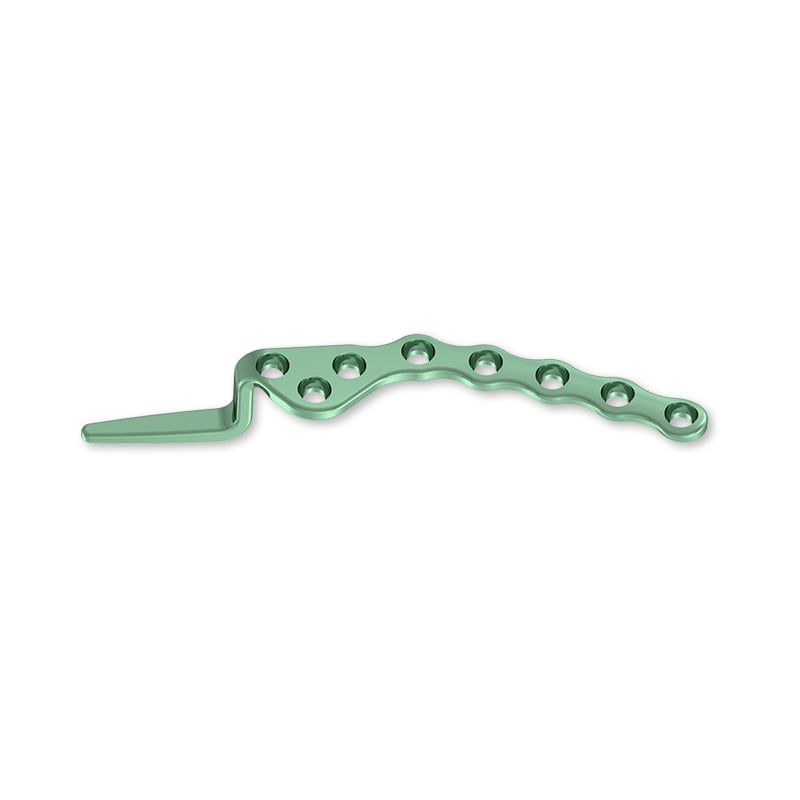
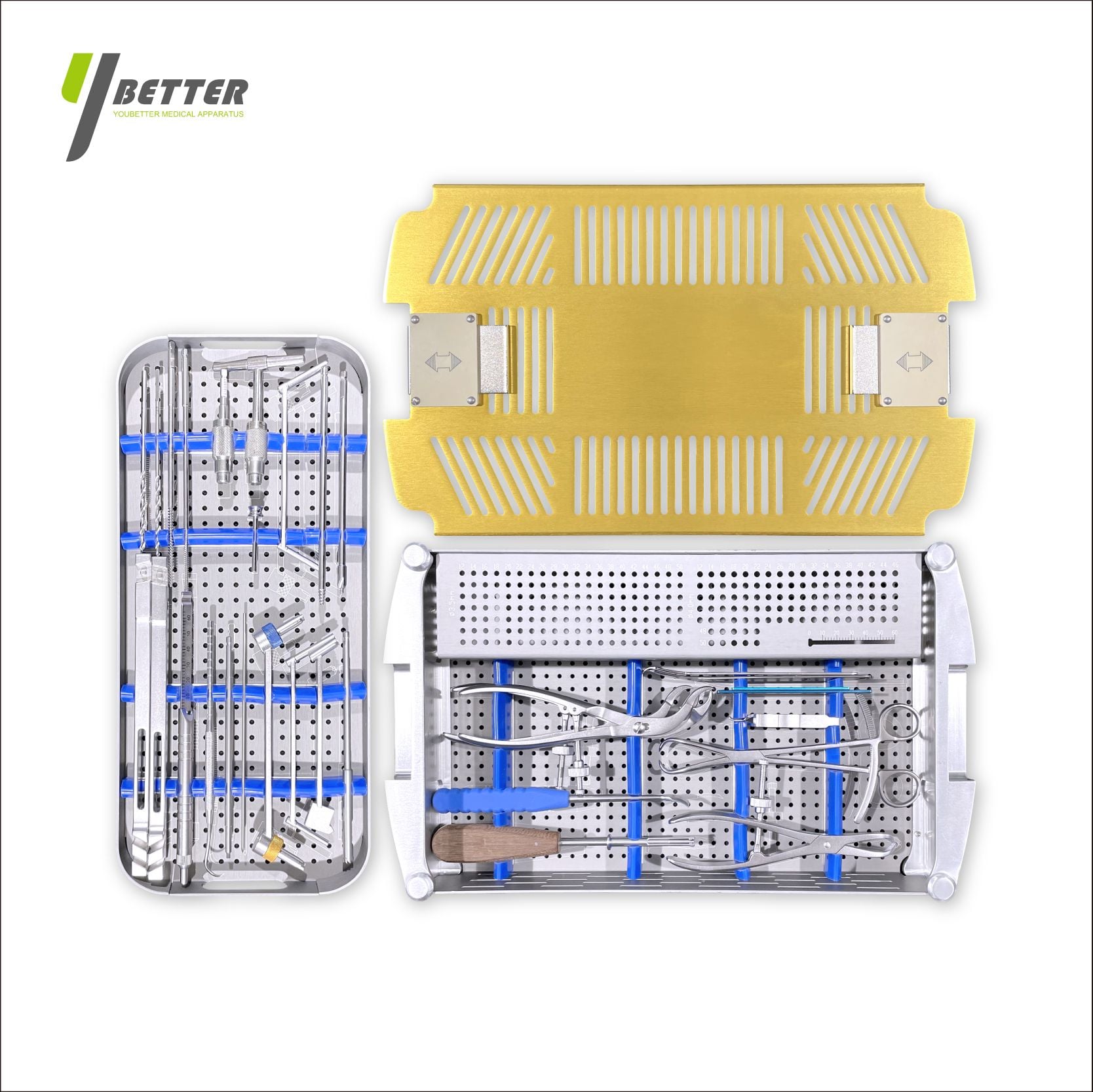
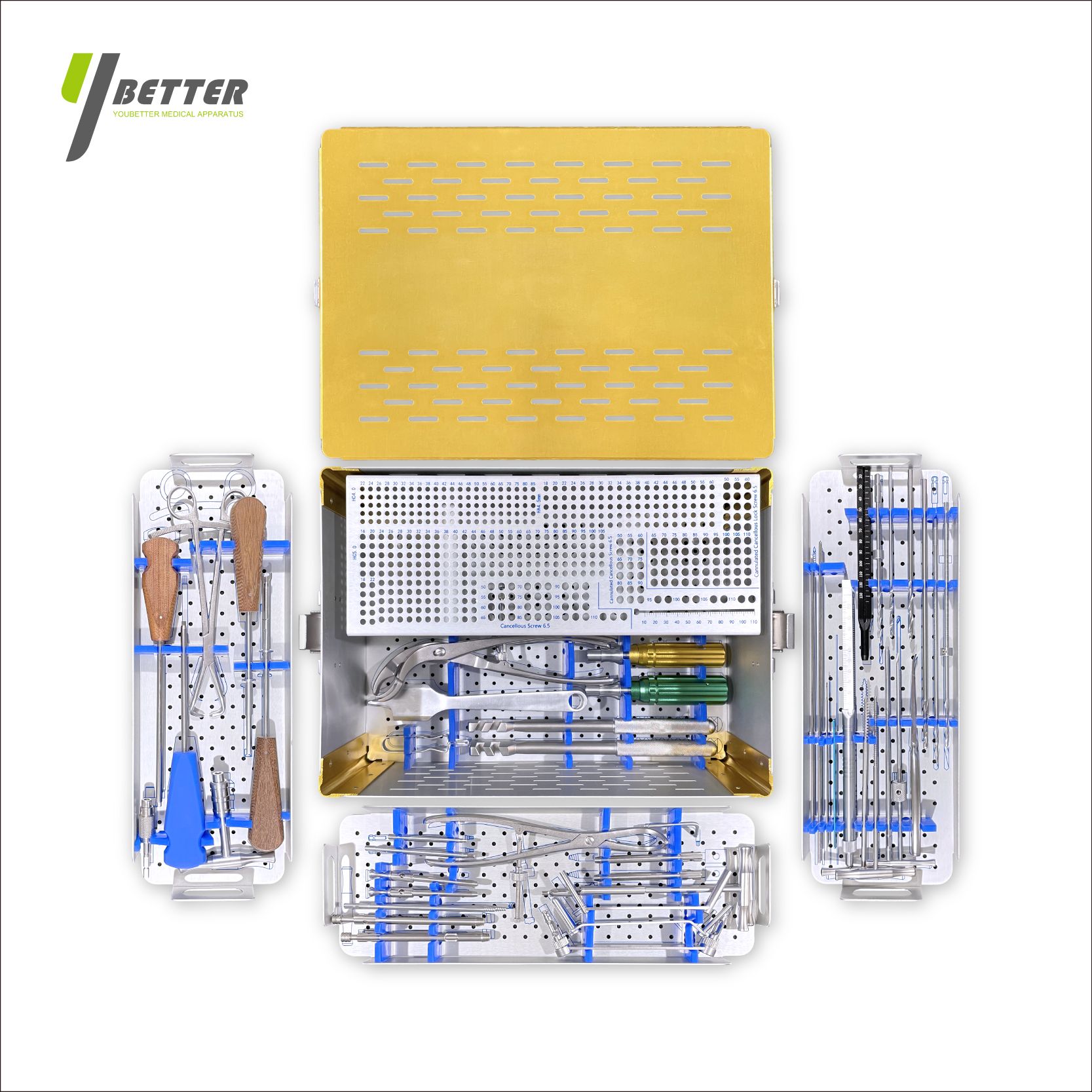
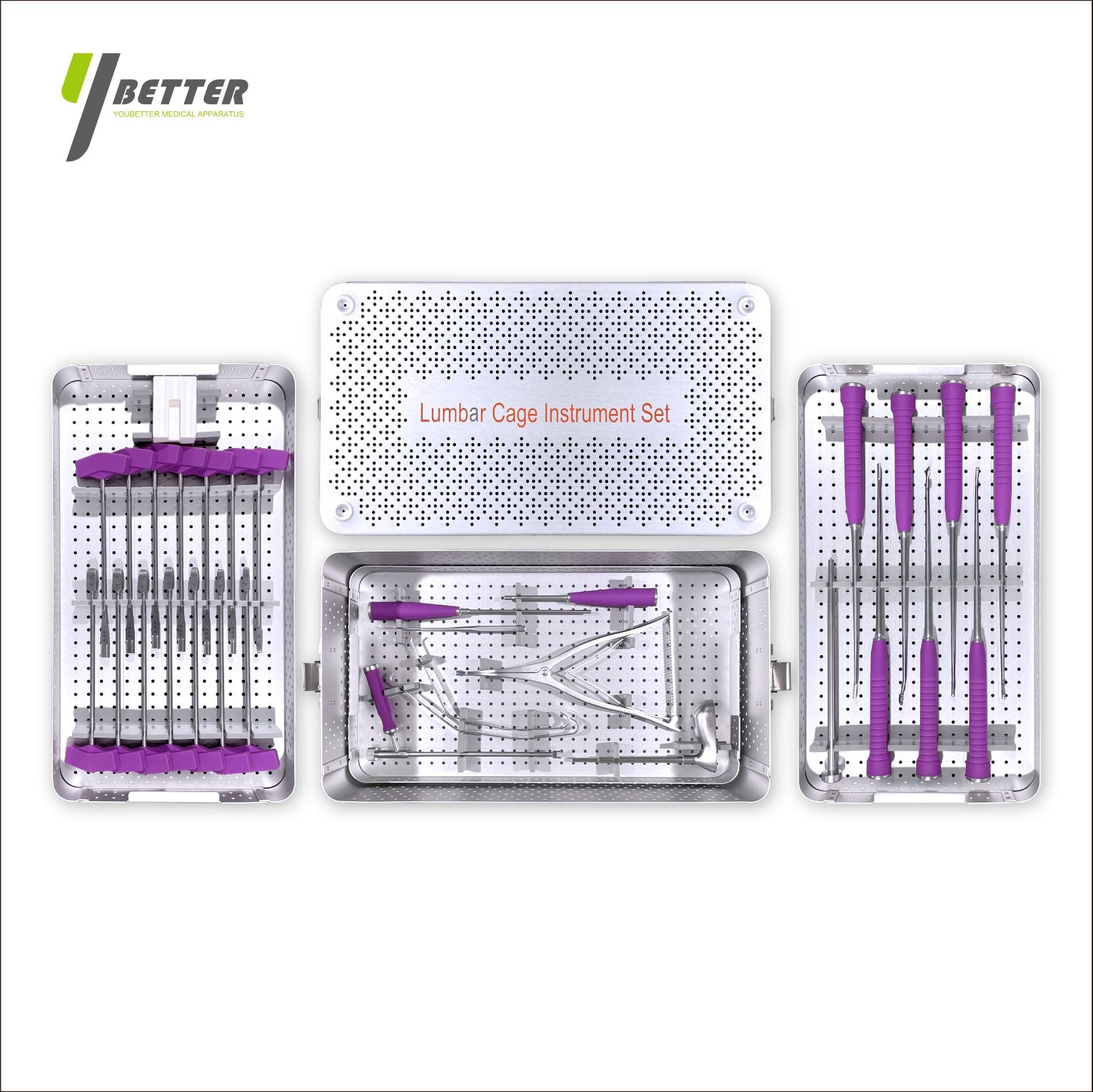
Orthopedic External Fixation System Solutions

All Categories

Get a Free Quote

Our representative will contact you soon.
Email
Name
Company Name
Message
0/1000

orthopedic external fixation system

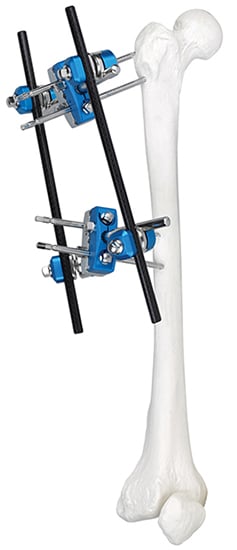
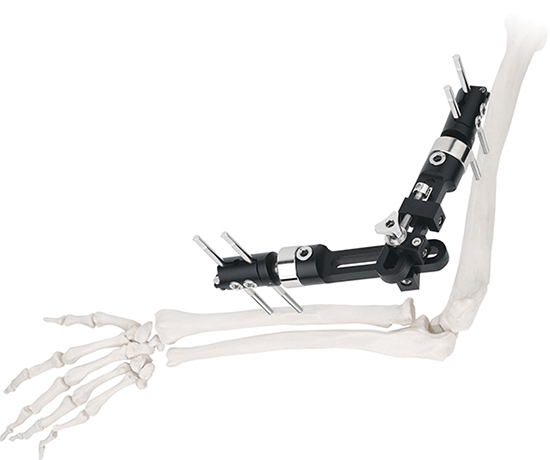
An orthopedic external fixation system is a sophisticated medical device designed to stabilize and align fractured or damaged bones from outside the body. This innovative system consists of metal pins or wires that are inserted into the bone through the skin, connected to an external frame that holds the bone fragments in proper position during the healing process. The orthopedic external fixation system serves as a critical solution for complex fractures, limb lengthening procedures, bone deformity corrections, and cases where internal fixation methods are not suitable. The technology features adjustable components that allow surgeons to make precise modifications to bone alignment without additional surgical interventions. Modern orthopedic external fixation systems incorporate advanced materials such as carbon fiber and titanium alloys, ensuring both strength and lightweight construction. The modular design enables customization according to each patient's specific anatomical requirements and injury patterns. These systems find extensive applications in trauma surgery, reconstructive orthopedics, pediatric bone corrections, and soft tissue management around fracture sites. The external nature of the fixation allows continuous monitoring of the injury site and facilitates wound care access, making it particularly valuable in open fractures or infected bone situations. By maintaining bone stability while preserving blood supply to the injured area, the orthopedic external fixation system promotes optimal healing conditions. The versatility of this technology extends to treating multiple bone segments simultaneously and addressing complex multi-planar deformities that challenge conventional treatment methods.

New Products

The orthopedic external fixation system delivers exceptional value through its minimally invasive approach that reduces surgical trauma compared to traditional internal fixation methods. Patients benefit from shorter operating times and decreased anesthesia exposure, which translates to lower overall healthcare costs and faster recovery initiation. The system allows immediate post-operative adjustments without requiring return trips to the operating room, giving healthcare providers flexible control over the healing process. This adaptability proves especially valuable when dealing with swelling or when gradual correction of deformities is necessary. The external configuration provides unobstructed access to wounds and surrounding soft tissues, enabling comprehensive wound management and reducing infection risks in compromised situations. For facilities and practitioners, the orthopedic external fixation system offers operational efficiency through its reusable frame components and straightforward application techniques that experienced staff can master effectively. The system suits diverse clinical scenarios from emergency trauma stabilization to planned reconstructive procedures, making it a versatile addition to any orthopedic department. Patients appreciate the ability to bear weight earlier in many cases, supporting faster mobility restoration and independence during recovery. The transparent nature of treatment progress, with visible external hardware and measurable adjustments, helps patients understand their healing journey better. Decision-makers will find that investing in an orthopedic external fixation system enhances treatment capabilities for complex cases that might otherwise require patient transfers to specialized centers. The technology supports better outcomes in challenging situations such as severe open fractures, bone infections, and nonunions where traditional methods show limitations. Overall cost-effectiveness emerges from reduced complication rates, shorter hospital stays, and the system's ability to handle multiple treatment phases with a single device platform.

Latest News

How Do Orthopedic Implants Enhance Fracture Healing and Recovery?

02

Jun

How Do Orthopedic Implants Enhance Fracture Healing and Recovery?

When a bone fractures, the body initiates a complex biological cascade aimed at restoring structural integrity and function. However, in many cases, this natural process requires mechanical support to succeed. This is precisely where orthopedic impla...
View More
How Does Pedicle Screw Design Enhance Pullout Strength and Stability?

02

Jun

How Does Pedicle Screw Design Enhance Pullout Strength and Stability?

In modern spinal surgery, fixation reliability is not a secondary consideration — it is the foundation upon which patient outcomes are built. The pedicle screw has become the cornerstone of posterior spinal instrumentation, offering surgeons a ...
View More
Why Is Pedicle Screw Accuracy Critical in Minimally Invasive Spine Surgery?

02

Jun

Why Is Pedicle Screw Accuracy Critical in Minimally Invasive Spine Surgery?

In the evolving landscape of spinal surgery, precision is not merely a technical preference — it is a clinical imperative. The pedicle screw has become the cornerstone of modern spinal fixation systems, offering surgeons a reliable anchor point...
View More
How Does Spinal Screw Improve Outcomes in Scoliosis Correction Surgery?

06

Jul

How Does Spinal Screw Improve Outcomes in Scoliosis Correction Surgery?

Scoliosis correction surgery is one of the most technically demanding procedures in spinal care, requiring precise instrumentation to restore alignment and maintain long-term stability. At the center of modern surgical technique, the spinal screw has...
View More

Get a Free Quote

Our representative will contact you soon.
Email
Name
Company Name
Message
0/1000

orthopedic external fixation system

Precision Adjustability for Optimal Healing

Precision Adjustability for Optimal Healing

The orthopedic external fixation system distinguishes itself through unparalleled adjustability that empowers surgeons to fine-tune bone alignment throughout the entire healing process. Unlike rigid internal fixation devices that lock bones in a single position, this system features calibrated adjustment mechanisms that permit gradual, controlled modifications measured in submillimeter increments. This precision proves invaluable when addressing complex deformities or when bone lengthening is required, as healthcare providers can implement small daily adjustments that stimulate bone growth while maintaining patient comfort. The ability to dynamically respond to healing progress means that if initial alignment proves suboptimal or if bone settles during early healing phases, corrections can be made immediately without subjecting patients to additional surgical procedures. This adaptability significantly reduces the need for revision surgeries and associated complications. Patients experience better functional outcomes because bone alignment can be optimized based on real-time healing responses rather than relying solely on initial surgical positioning. The external frame's modular construction allows multi-directional adjustments, accommodating the three-dimensional nature of bone deformities and fracture patterns. For complex cases involving multiple bone fragments or severely comminuted fractures, the orthopedic external fixation system provides stability while permitting the individualized positioning each fragment may require for proper union.
Enhanced Safety in High-Risk Clinical Scenarios

Enhanced Safety in High-Risk Clinical Scenarios

The orthopedic external fixation system offers critical safety advantages in situations where traditional internal fixation poses elevated risks to patient wellbeing. In cases of severe soft tissue damage, open fractures with contamination, or active bone infections, placing foreign materials deep within tissues invites complications that can compromise healing or lead to serious infections. The external approach minimizes the surgical footprint, preserving blood supply to already compromised tissues and reducing the bacterial load introduced during surgery. This becomes especially important in polytrauma patients whose overall condition may not tolerate lengthy surgical procedures or multiple anesthesia sessions. The system allows staged treatment approaches where initial stabilization can be achieved quickly in emergency settings, with definitive treatment deferred until the patient stabilizes and soft tissues recover. For patients with compromised immune systems, diabetes, or vascular insufficiency, the reduced tissue disruption and easy access for wound monitoring lower complication rates substantially. The orthopedic external fixation system also provides a safer option when treating fractures near joints where internal hardware might interfere with joint function or when pediatric cases require growth plate preservation. Healthcare providers gain peace of mind knowing they can address fracture stability without introducing the permanent foreign body burden that internal fixation represents, particularly relevant in potentially contaminated environments.
Accelerated Mobility and Rehabilitation

Accelerated Mobility and Rehabilitation

One of the most compelling benefits of the orthopedic external fixation system lies in its capacity to facilitate earlier patient mobilization and accelerated rehabilitation compared to alternative treatment approaches. The rigid stability provided by the external frame, combined with its ability to protect healing bone while allowing controlled loading, enables patients to begin weight-bearing activities sooner in their recovery journey. This early mobilization proves crucial for preventing the muscle atrophy, joint stiffness, and cardiovascular deconditioning that frequently accompany prolonged bed rest or immobilization. Physical therapists can work with patients more effectively because the external frame provides visual feedback about alignment and stability, allowing them to confidently progress rehabilitation exercises. The system's design permits joint motion adjacent to the fracture site in many configurations, preventing the joint contractures that complicate recovery when prolonged casting is required. For lower extremity injuries, patients often transition from non-weight-bearing to partial and full weight-bearing status weeks earlier than with conservative casting methods. This faster return to functional activities dramatically improves quality of life during the recovery period and reduces the economic impact of injury through earlier return to work capabilities. The psychological benefits of increased independence and visible healing progress cannot be overstated, as patients who actively participate in their recovery through graduated activities typically report higher satisfaction and better adherence to treatment protocols, ultimately leading to superior long-term functional outcomes.

Get a Free Quote

Our representative will contact you soon.
Email
Name
Company Name
Message
0/1000
Newsletter
Please Leave A Message With Us