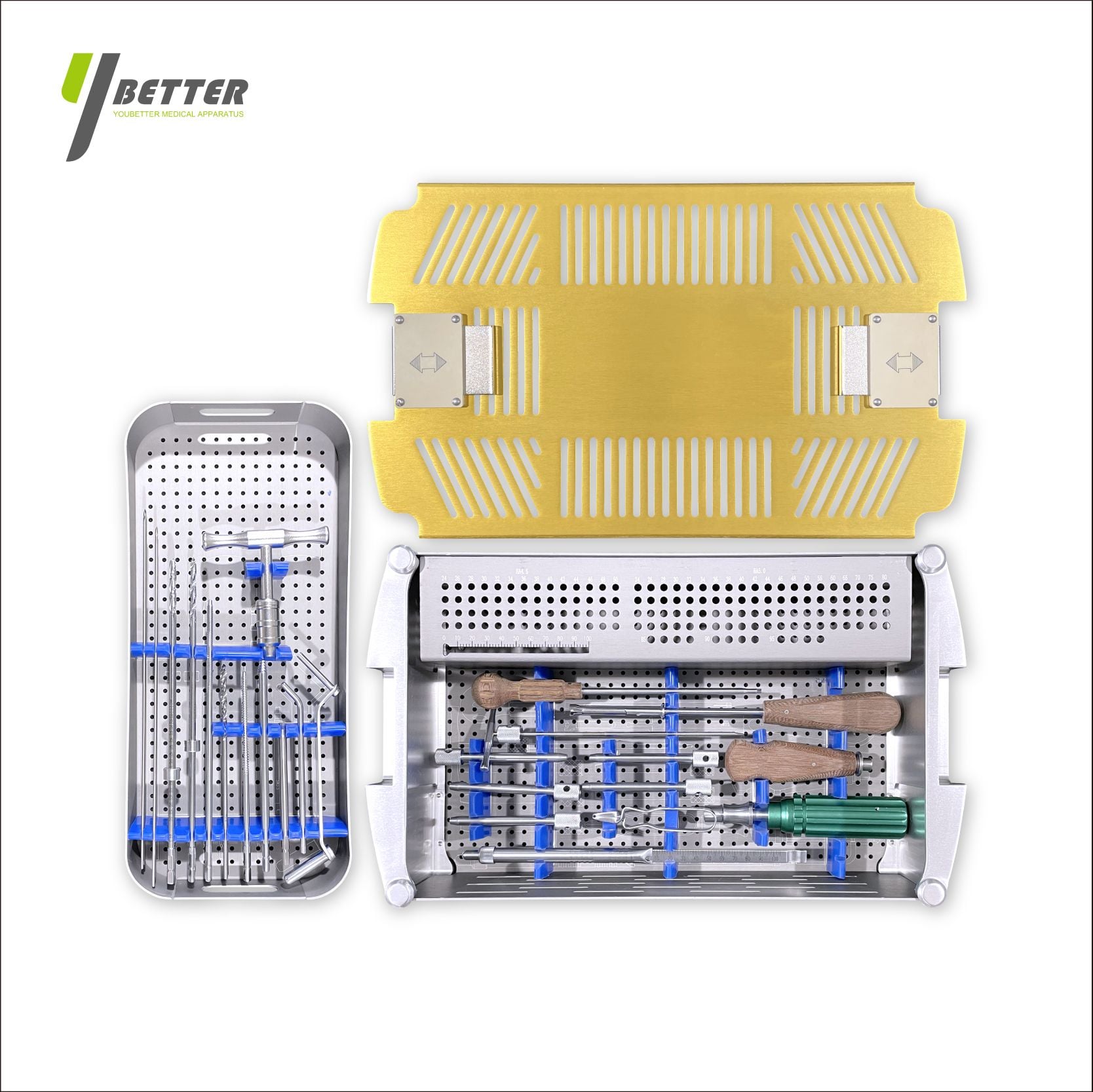
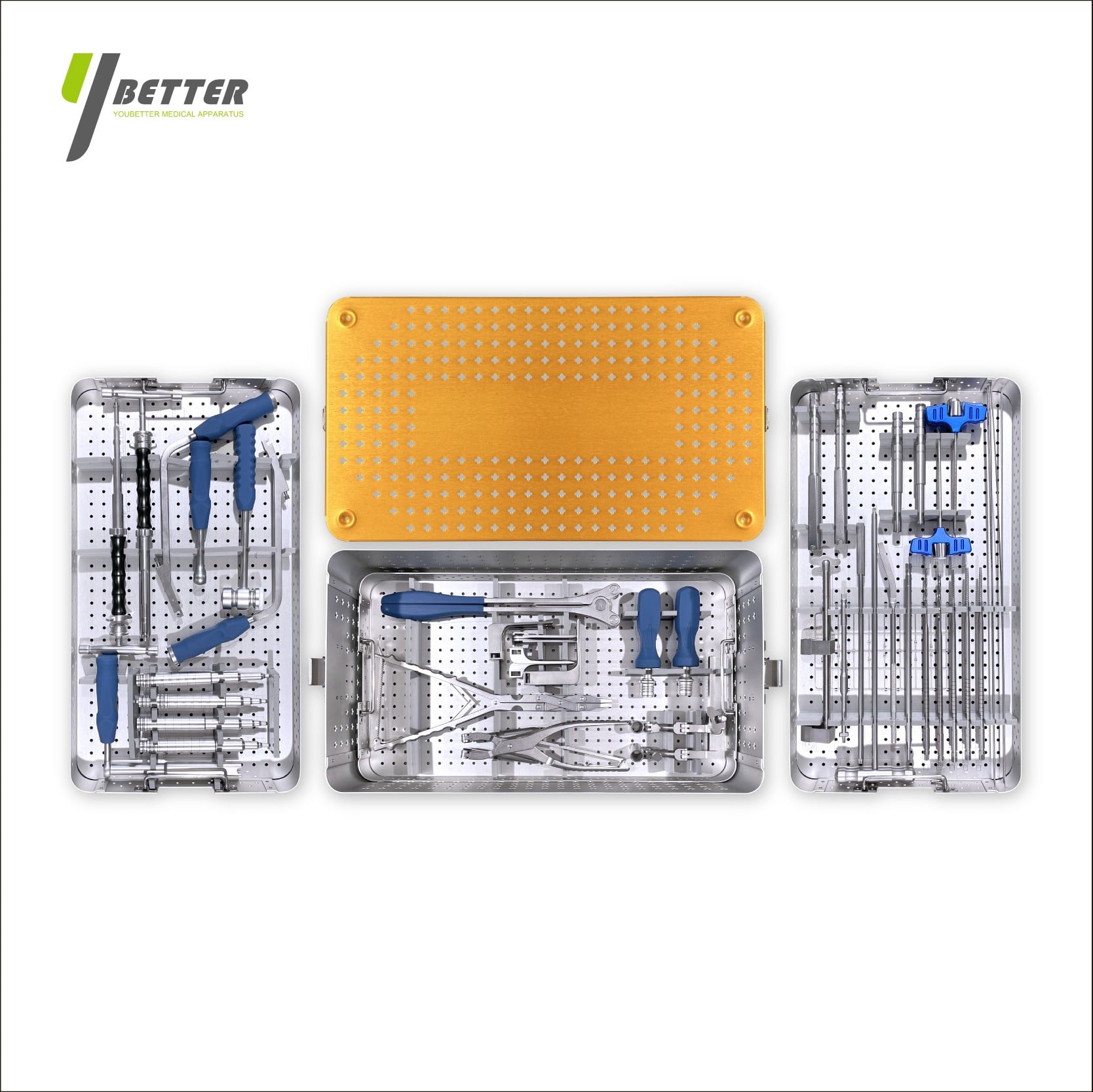
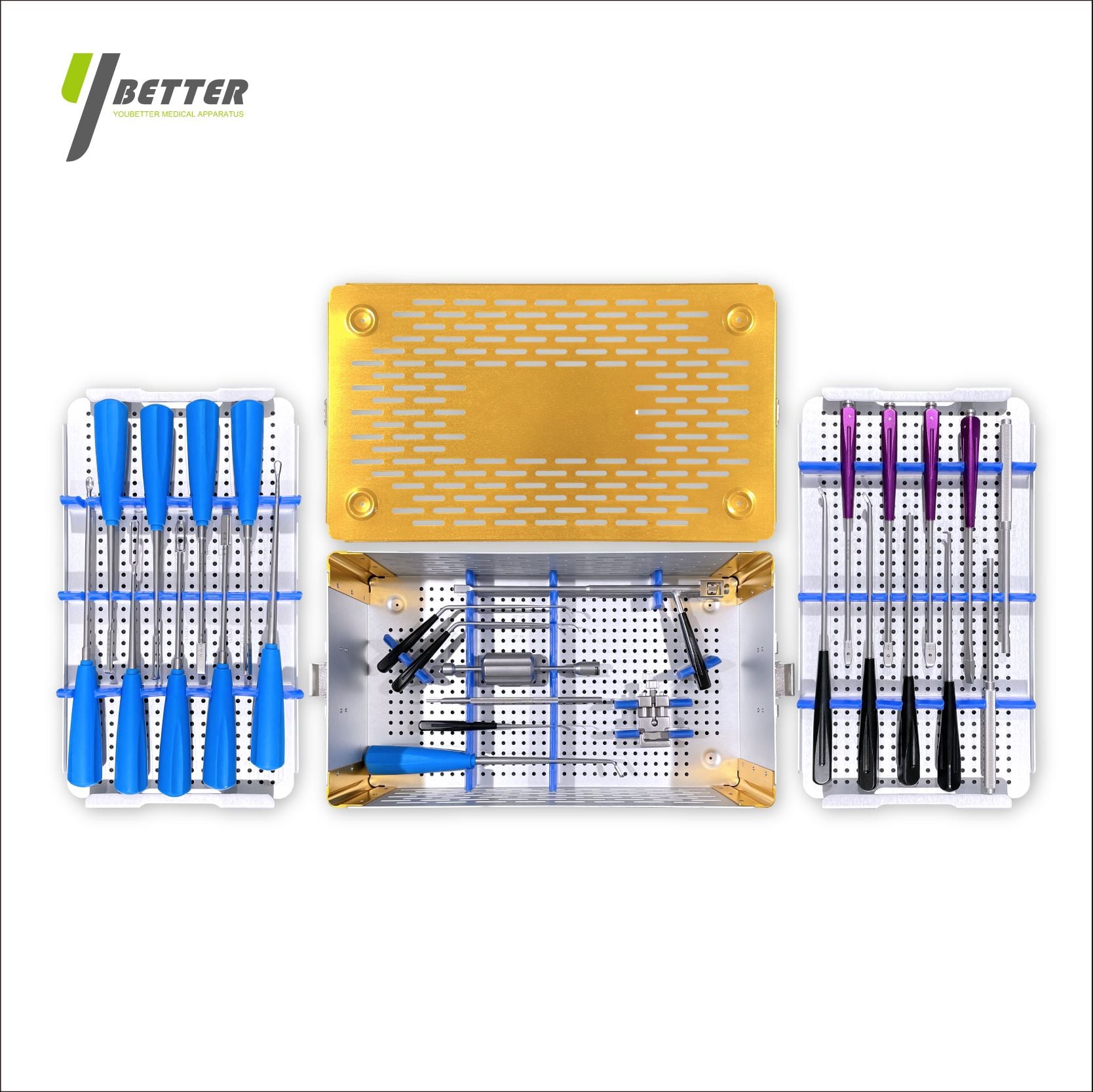
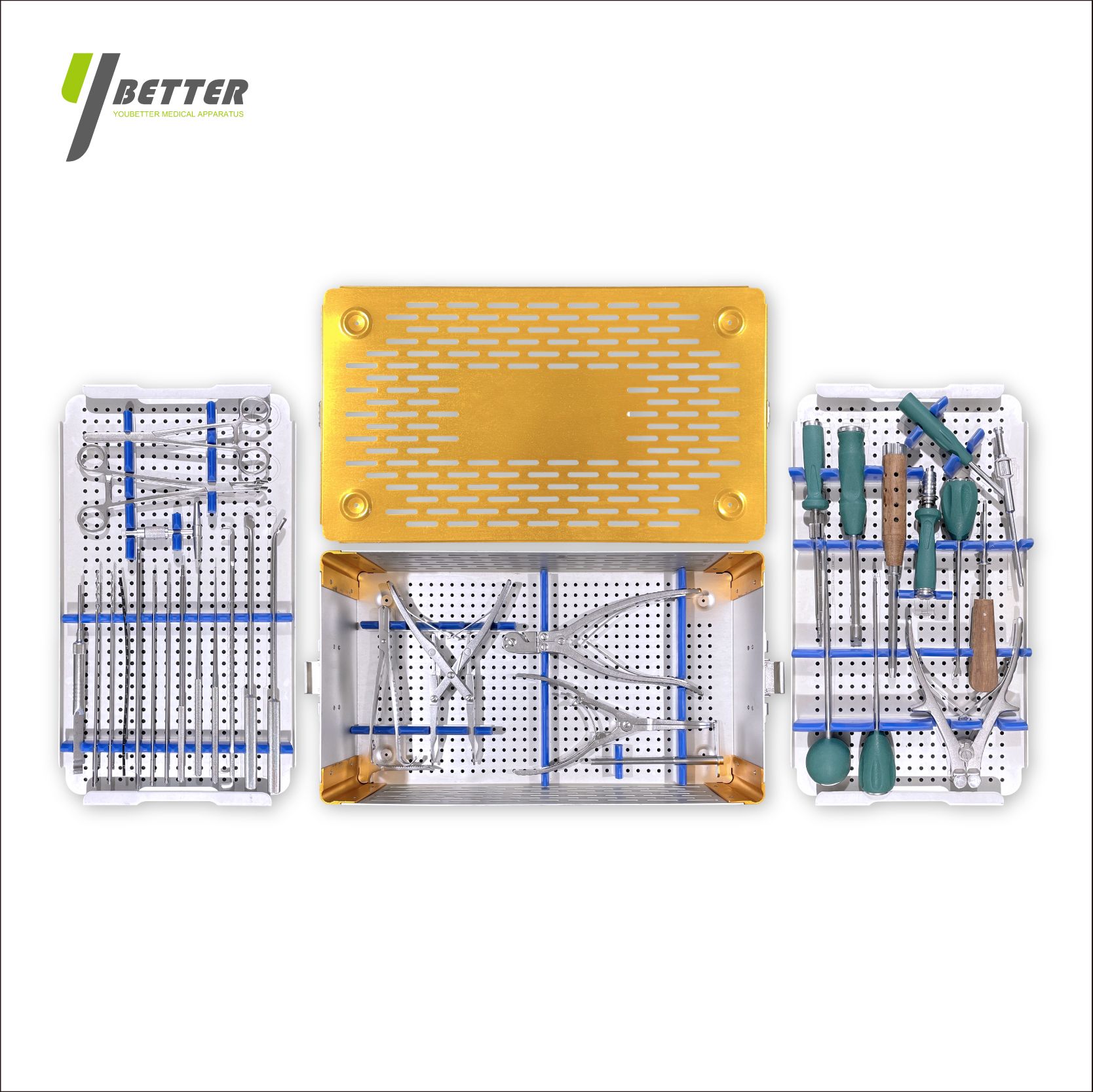
Pedicle Screw Fixation System Solutions

All Categories

Get a Free Quote

Our representative will contact you soon.
Email
Name
Company Name
Message
0/1000

pedicle screw fixation system

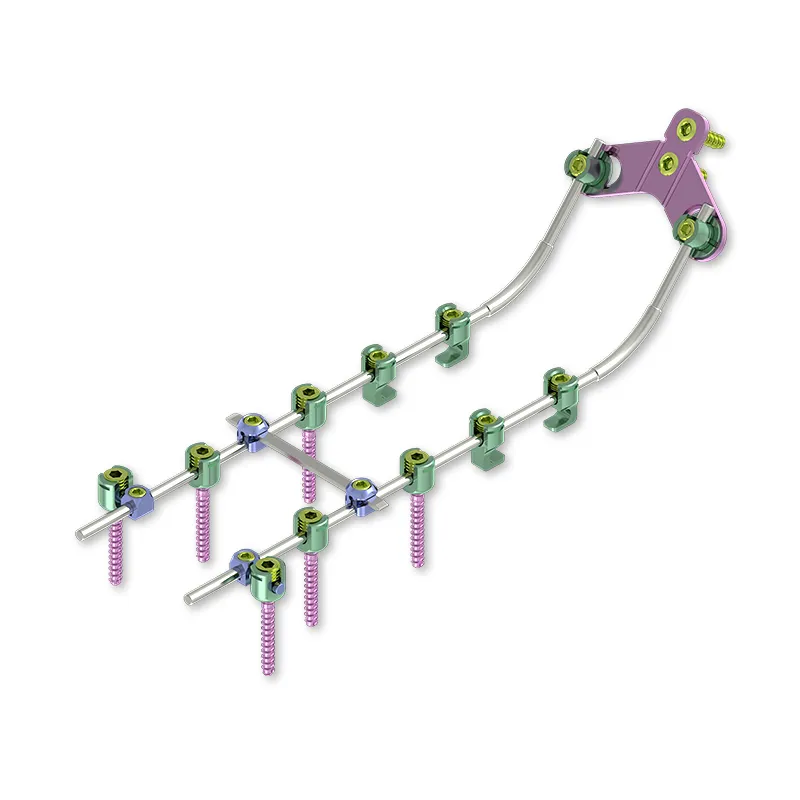
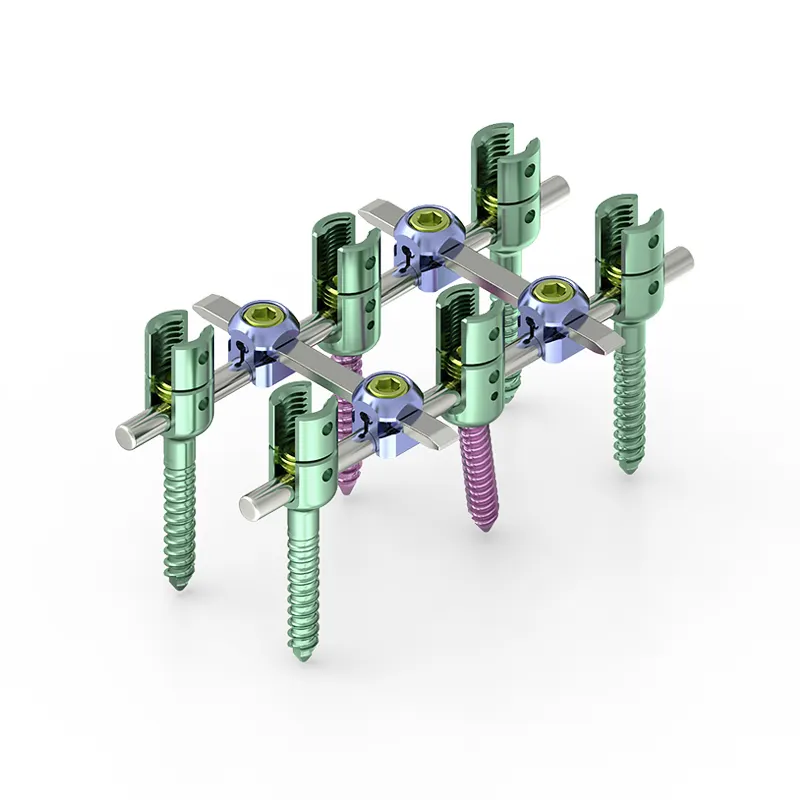
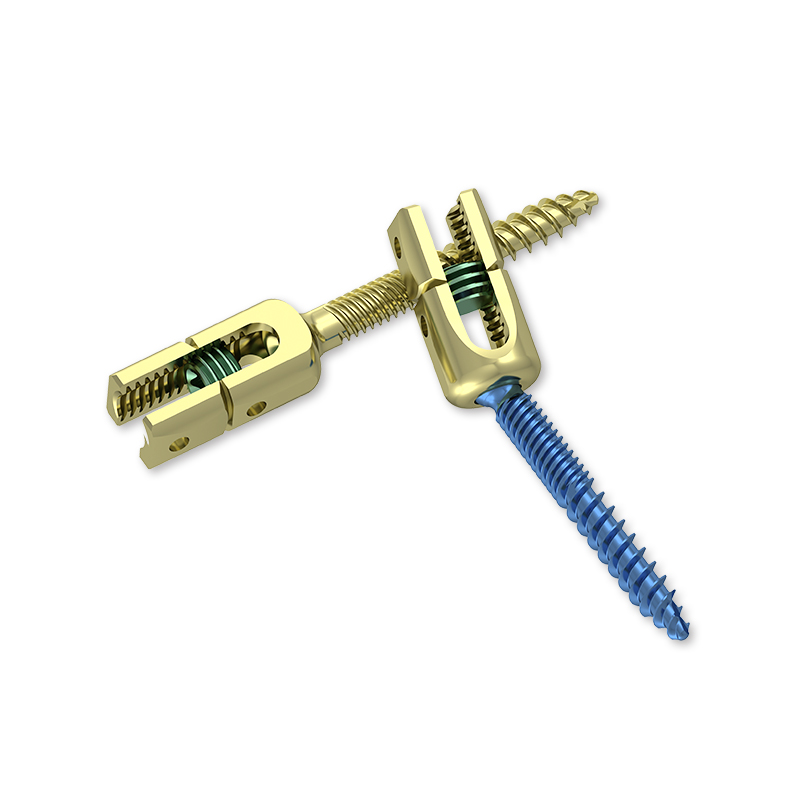
The pedicle screw fixation system represents a critical advancement in spinal surgery, designed to stabilize and support the vertebral column during corrective procedures. This surgical solution involves the precise insertion of specialized screws through the pedicles of vertebrae, creating a secure anchor point for connecting rods and other stabilizing components. The pedicle screw fixation system serves as the foundation for treating various spinal conditions, including degenerative disc disease, scoliosis, fractures, and spinal instability. Its main functions include restoring proper spinal alignment, preventing abnormal motion between vertebral segments, and facilitating bone fusion in targeted areas. The technological features of the pedicle screw fixation system include anatomically contoured screw designs that maximize bone purchase, polyaxial screw heads allowing multi-directional rod placement, and low-profile constructs minimizing soft tissue irritation. Advanced materials such as titanium alloys and stainless steel ensure biocompatibility and strength. The system typically incorporates modular components that surgeons can customize based on patient anatomy and surgical objectives. Applications span across lumbar, thoracic, and cervical spine procedures, addressing both traumatic injuries and chronic degenerative conditions. The pedicle screw fixation system enables minimally invasive surgical approaches through percutaneous insertion techniques, reducing tissue damage and accelerating patient recovery. With proven clinical outcomes and continuous refinement, this fixation method has become the gold standard for posterior spinal stabilization worldwide.

New Products

The pedicle screw fixation system delivers substantial benefits that directly impact patient outcomes and surgical success. This technology provides superior biomechanical stability compared to alternative fixation methods, creating a rigid construct that effectively immobilizes treated spinal segments while fusion occurs. Patients experience reduced post-operative pain and faster return to daily activities because the system maintains proper spinal alignment without requiring external bracing in many cases. The versatility of the pedicle screw fixation system allows surgeons to address multiple vertebral levels simultaneously, treating complex deformities with a single comprehensive procedure rather than staging multiple surgeries. Operational benefits include streamlined surgical workflows through intuitive instrumentation and standardized insertion techniques that reduce procedure time and minimize patient exposure to anesthesia. The modular design enables intraoperative adjustments, allowing surgeons to adapt their approach based on real-time anatomical findings without compromising fixation strength. Application suitability extends across diverse patient populations, from young individuals with congenital deformities to elderly patients with osteoporotic bone, thanks to specialized screw designs that optimize purchase in varying bone densities. The pedicle screw fixation system supports both traditional open surgical approaches and modern minimally invasive techniques, giving medical teams flexibility in treatment planning. From a decision-making perspective, the extensive clinical evidence supporting this technology provides confidence in long-term durability and fusion rates exceeding ninety percent in appropriate candidates. Healthcare facilities benefit from reduced revision surgery rates, as the robust fixation minimizes hardware failure and pseudoarthrosis. Patients gain peace of mind knowing their treatment employs proven technology with decades of refinement and millions of successful implantations worldwide.

Tips And Tricks

How Do Orthopedic Implants Contribute to Minimally Invasive Surgery?

02

Jun

How Do Orthopedic Implants Contribute to Minimally Invasive Surgery?

The evolution of surgical medicine has brought forward one of the most significant shifts in patient care: the widespread adoption of minimally invasive surgery. At the heart of this transformation lies the role of orthopedic implants, which have bee...
View More
What Are the Indications for Using Pedicle Screw in Degenerative Spine Disease?

02

Jun

What Are the Indications for Using Pedicle Screw in Degenerative Spine Disease?

Degenerative spine disease encompasses a broad spectrum of conditions that progressively compromise spinal stability, alignment, and neurological function. As these conditions advance, conservative management often fails to provide adequate relief, a...
View More
How Does Spinal Screw Design Enhance Mechanical Strength and Fixation?

06

Jul

How Does Spinal Screw Design Enhance Mechanical Strength and Fixation?

In modern spinal surgery, the pedicle screw is one of the most critical implants used to stabilize the vertebral column. Whether the procedure involves deformity correction, fracture management, or spinal fusion, the pedicle screw serves as the prima...
View More
How Can Distributors Assess Pedicle Screw Supplier Reliability?

06

Jul

How Can Distributors Assess Pedicle Screw Supplier Reliability?

Choosing the right pedicle screw supplier is one of the most consequential decisions a medical device distributor can make. A pedicle screw supplier directly affects patient safety, regulatory standing, and the commercial reputation of every distribu...
View More

Get a Free Quote

Our representative will contact you soon.
Email
Name
Company Name
Message
0/1000

pedicle screw fixation system

Enhanced Biomechanical Stability Through Three-Column Fixation

Enhanced Biomechanical Stability Through Three-Column Fixation

The pedicle screw fixation system achieves unparalleled spinal stability by engaging all three columns of the vertebral structure simultaneously. Unlike anterior-only or posterior hook systems that rely on limited contact points, pedicle screws penetrate through the posterior elements directly into the vertebral body, creating a mechanical advantage that resists flexion, extension, rotation, and lateral bending forces. This comprehensive stabilization proves essential for patients with significant instability or those requiring correction of severe deformities. The three-dimensional control provided by the pedicle screw fixation system enables surgeons to precisely manipulate vertebral position during correction maneuvers, gradually restoring physiologic alignment while maintaining safety margins around neural structures. The rigid fixation prevents micromotion at fusion sites, which research demonstrates significantly improves bone healing rates and reduces nonunion complications. For trauma patients with burst fractures or fracture-dislocations, this stability protects neurological structures during the critical healing phase. The biomechanical advantages translate to tangible patient benefits including earlier mobilization, reduced need for restrictive bracing, and lower risk of fixation failure requiring reoperation.
Modular Design Enabling Personalized Surgical Solutions

Modular Design Enabling Personalized Surgical Solutions

The modular architecture of the pedicle screw fixation system empowers surgeons to tailor constructs precisely to individual patient anatomy and pathology. Comprehensive implant portfolios include screws in multiple diameters, lengths, and thread configurations, ensuring optimal fit across pediatric through adult populations and accommodating variations in pedicle dimensions throughout spinal regions. Polyaxial screw heads provide angular freedom exceeding forty degrees in some systems, facilitating rod placement even when anatomical constraints or prior surgery creates challenging insertion trajectories. Surgeons can select from standard, reduction, or extended-tab screw heads based on specific procedural requirements, while choosing between monoaxial options when additional rigidity benefits the construct. The pedicle screw fixation system supports hybrid constructs combining screws with hooks or interbody cages, addressing complex revision scenarios or transition zones requiring graduated stiffness. Reduction towers and persuaders integrate seamlessly with the system, providing mechanical advantage for correcting rigid deformities without excessive force application. This modularity extends surgical problem-solving capabilities while maintaining implant compatibility across components, reducing inventory complexity for healthcare facilities and ensuring backup options remain available during procedures.
Minimally Invasive Compatibility Reducing Surgical Trauma

Minimally Invasive Compatibility Reducing Surgical Trauma

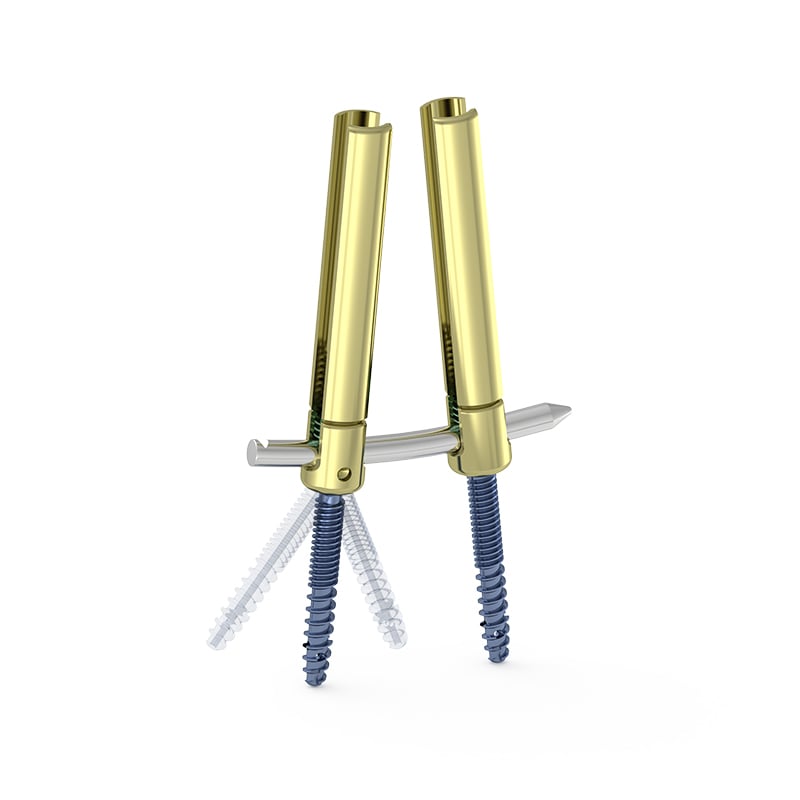
Modern pedicle screw fixation system designs fully support minimally invasive surgical techniques that dramatically reduce tissue disruption compared to traditional open approaches. Percutaneous insertion systems utilize small skin incisions and sequential dilators to create working channels directly to target pedicles, preserving paraspinal muscle attachments that contribute to postoperative pain and prolonged recovery in open procedures. Fluoroscopic and navigation-guided targeting ensures accurate screw placement through these minimized access points, maintaining safety standards while reducing visible scarring and blood loss. The pedicle screw fixation system facilitates tubular retractor compatibility, enabling decompression procedures through the same access corridors used for fixation, consolidating what previously required separate extensive exposures. Patients treated with minimally invasive applications of the pedicle screw fixation system typically experience shorter hospital stays, reduced opioid requirements, and faster return to work compared to open surgery cohorts. The reduced tissue trauma translates to preserved muscle function and spinal motion at adjacent unfused segments. For appropriate candidates, this approach delivers equivalent biomechanical stability and fusion rates while substantially improving the recovery experience, making the pedicle screw fixation system accessible to patients who might otherwise decline surgery due to concerns about invasiveness.

Get a Free Quote

Our representative will contact you soon.
Email
Name
Company Name
Message
0/1000
Newsletter
Please Leave A Message With Us