OEM Cannulated Screw - Precision Orthopedic Implant

All Categories

Get a Free Quote

Our representative will contact you soon.
Email
Name
Company Name
Message
0/1000

oem cannulated screw

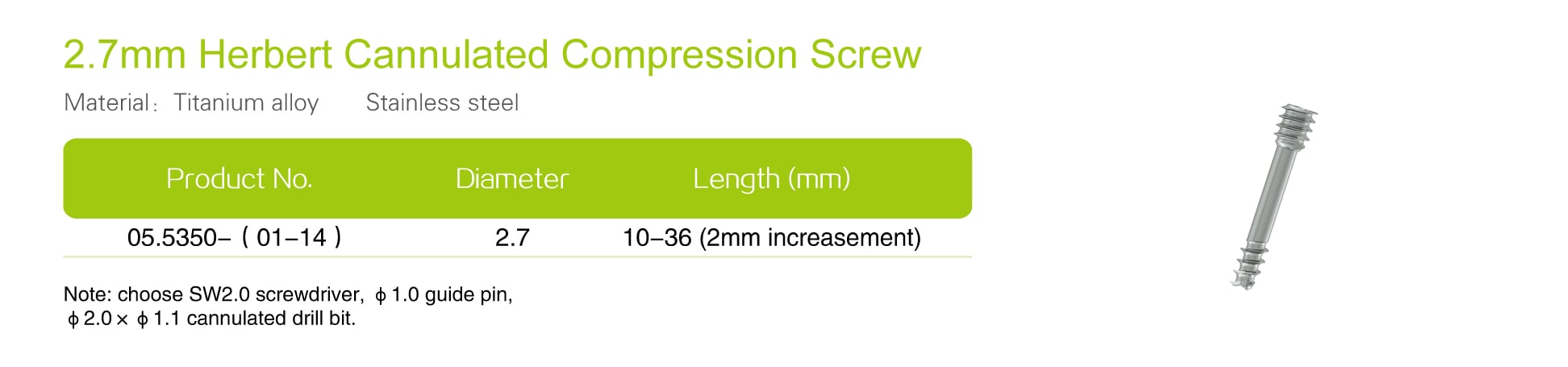
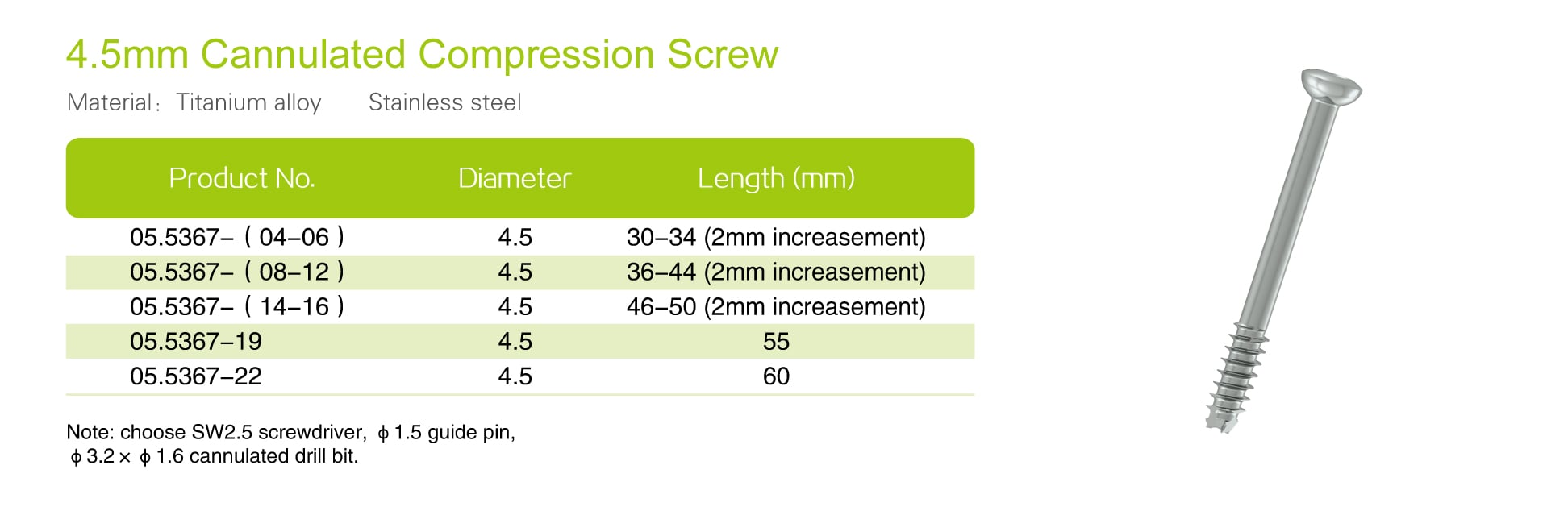
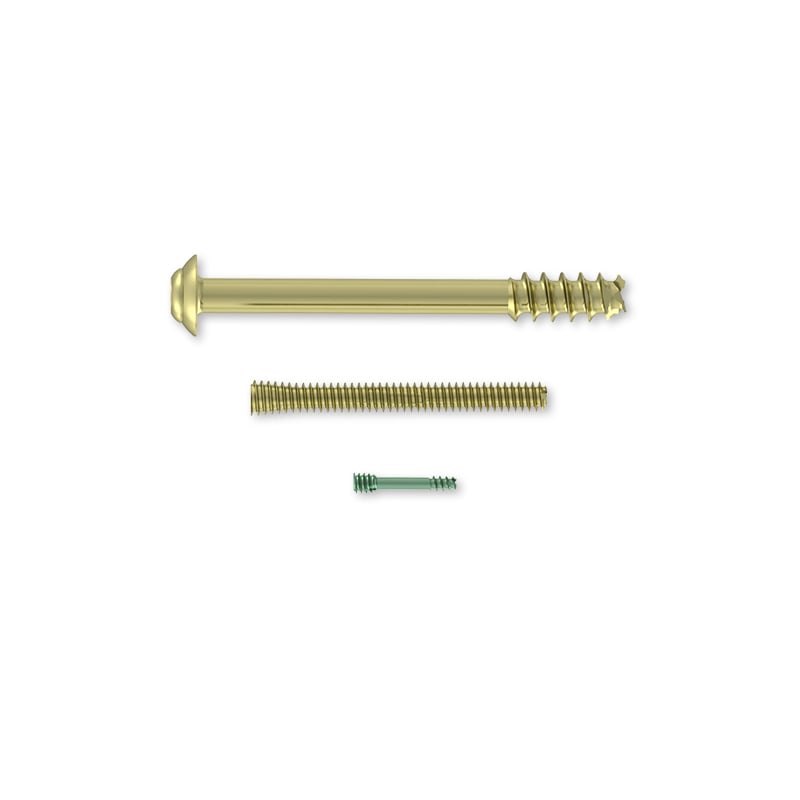
An oem cannulated screw is a specialized orthopedic implant designed with a hollow central channel that allows surgeons to insert the device over a guidewire during surgical procedures. This innovative design revolutionizes bone fixation by enabling precise placement and minimizing surgical trauma. The oem cannulated screw serves as a critical component in fracture repair, joint reconstruction, and various orthopedic stabilization procedures. Manufactured to exacting standards, these screws feature advanced thread designs that provide superior purchase in bone tissue while maintaining structural integrity. The cannulated architecture distinguishes these devices from solid screws by facilitating minimally invasive surgical techniques through percutaneous insertion methods. Surgeons utilize the oem cannulated screw across multiple anatomical locations including hip, knee, ankle, and small bone repairs. The hollow core typically measures between 2.0mm to 3.5mm in diameter, accommodating standard guidewires while preserving the screw's mechanical strength. These medical-grade implants are crafted from biocompatible materials such as titanium alloy or stainless steel, ensuring long-term compatibility within the human body. The oem cannulated screw represents a technological advancement that combines precision engineering with clinical functionality. Its versatility extends to trauma surgery, sports medicine, and reconstructive procedures where accurate screw placement is paramount. The design allows for real-time fluoroscopic visualization during insertion, enabling surgeons to achieve optimal positioning. With various diameter options, thread configurations, and length specifications, the oem cannulated screw adapts to diverse patient anatomies and surgical requirements, making it an indispensable tool in modern orthopedic practice.

New Product Recommendations

The oem cannulated screw delivers substantial practical benefits that directly impact surgical outcomes and patient recovery. First, the guidewire-assisted insertion significantly reduces operative time compared to traditional solid screw placement, translating to shorter anesthesia duration and decreased patient risk. This efficiency advantage means healthcare facilities can optimize surgical schedules while maintaining high safety standards. The precision placement capability of the oem cannulated screw minimizes the need for extensive soft tissue dissection, resulting in smaller incisions, reduced scarring, and faster healing times for patients. From a clinical perspective, the hollow core design enables surgeons to verify correct trajectory before final implant insertion, substantially reducing the risk of malposition that could compromise fixation strength or damage surrounding structures. The oem cannulated screw offers exceptional versatility across multiple surgical applications, from simple fracture fixation to complex joint reconstructions, making it a cost-effective inventory solution for medical facilities. The standardized guidewire compatibility ensures seamless integration with existing surgical instrument sets, eliminating the need for specialized equipment purchases. Patients benefit from decreased postoperative pain due to the minimally invasive approach facilitated by the oem cannulated screw, often resulting in earlier mobilization and rehabilitation. The biocompatible materials used in manufacturing ensure long-term implant stability without adverse tissue reactions, providing durable fixation that supports bone healing. For purchasing decision-makers, the oem cannulated screw represents reliable quality backed by rigorous testing standards, offering consistent performance across diverse clinical scenarios. The availability of comprehensive size ranges ensures appropriate solutions for pediatric through geriatric populations, maximizing the product's utility within orthopedic departments. Surgeons appreciate the reproducible results and reduced learning curve associated with the oem cannulated screw technique, making it an excellent choice for both experienced specialists and developing surgical teams.

Tips And Tricks

What Are the Indications for Using Pedicle Screw in Degenerative Spine Disease?

02

Jun

What Are the Indications for Using Pedicle Screw in Degenerative Spine Disease?

Degenerative spine disease encompasses a broad spectrum of conditions that progressively compromise spinal stability, alignment, and neurological function. As these conditions advance, conservative management often fails to provide adequate relief, a...
View More
How to Choose the Right Pedicle Screw Size for Lumbar Fusion Procedures?

02

Jun

How to Choose the Right Pedicle Screw Size for Lumbar Fusion Procedures?

Selecting the correct pedicle screw size for lumbar fusion procedures is one of the most consequential decisions a spine surgeon makes during operative planning. The diameter, length, and thread design of each pedicle screw directly influence fixatio...
View More
How Can Distributors Assess Pedicle Screw Supplier Reliability?

06

Jul

How Can Distributors Assess Pedicle Screw Supplier Reliability?

Choosing the right pedicle screw supplier is one of the most consequential decisions a medical device distributor can make. A pedicle screw supplier directly affects patient safety, regulatory standing, and the commercial reputation of every distribu...
View More
How Does Spinal Screw Fixation Improve Stability in Spinal Fusion Surgery?

06

Jul

How Does Spinal Screw Fixation Improve Stability in Spinal Fusion Surgery?

Spinal fusion surgery is one of the most common and technically demanding procedures in orthopedic and neurosurgical practice. At the heart of this procedure lies a critical mechanical principle: the spine must be held in precise alignment while bone...
View More

Get a Free Quote

Our representative will contact you soon.
Email
Name
Company Name
Message
0/1000

oem cannulated screw

Guidewire-Directed Precision Technology

Guidewire-Directed Precision Technology

The defining characteristic of the oem cannulated screw is its hollow core engineering that accommodates guidewire insertion for unparalleled surgical accuracy. This technological innovation transforms fracture fixation from a freehand technique into a controlled, predictable process. Surgeons first place a thin guidewire through the fracture site under fluoroscopic guidance, confirming optimal trajectory before introducing the actual implant. The oem cannulated screw then advances over this guidewire like a train on tracks, following the predetermined path with millimeter precision. This methodology dramatically reduces the risk of screw misplacement that could lead to joint penetration, nerve injury, or inadequate fixation. The hollow channel is precisely machined to maintain tight tolerances, ensuring smooth advancement without binding while preserving the screw's torsional strength. This feature proves especially valuable in challenging anatomical regions where direct visualization is limited, such as hip fracture fixation or small bone procedures. The guidewire remains in position throughout insertion, providing continuous reference and preventing drift from the intended trajectory. Once the oem cannulated screw reaches its final position, the guidewire is simply withdrawn, leaving the implant perfectly seated. This precision technology reduces operative complications, shortens procedure duration, and contributes to superior patient outcomes across diverse orthopedic applications.
Minimally Invasive Surgical Compatibility

Minimally Invasive Surgical Compatibility

The oem cannulated screw excels in minimally invasive orthopedic procedures where tissue preservation is paramount to patient recovery. Traditional open surgical approaches require extensive muscle dissection and soft tissue retraction to visualize the fracture site and ensure proper screw placement. In contrast, the guidewire-based technique enabled by the oem cannulated screw allows surgeons to work through small percutaneous incisions, sometimes measuring only 15-20 millimeters in length. This minimally invasive approach preserves the periosteal blood supply critical for bone healing, maintains muscle attachments that provide stability, and minimizes postoperative pain associated with tissue trauma. Patients experience significantly reduced blood loss during surgery, decreased infection risk due to smaller wound exposure, and improved cosmetic results with minimal scarring. The oem cannulated screw facilitates outpatient procedures that previously required hospitalization, reducing healthcare costs while maintaining safety standards. Recovery timelines shorten considerably as patients can often bear weight earlier and begin rehabilitation sooner than with traditional open fixation methods. For elderly patients or those with multiple medical conditions, the reduced physiological stress of minimally invasive surgery using the oem cannulated screw can mean the difference between successful treatment and prohibitive surgical risk. This compatibility with modern surgical philosophy makes the device increasingly valuable as healthcare shifts toward less invasive interventions that prioritize rapid recovery and functional restoration.
Comprehensive Size and Configuration Options

Comprehensive Size and Configuration Options

The oem cannulated screw is manufactured in an extensive range of specifications to address the full spectrum of orthopedic fixation needs across patient populations and anatomical sites. Diameter options typically span from 3.0mm for small bone applications to 7.3mm or larger for major weight-bearing constructs, ensuring appropriate mechanical strength for each clinical situation. Length variations accommodate different bone sizes and fracture patterns, with incremental options allowing precise matching to patient anatomy. Thread design variations include fully threaded configurations for compression across fracture sites, partially threaded versions that enable interfragmentary compression, and specialized thread pitches optimized for osteoporotic bone or dense cortical purchase. The oem cannulated screw is available with different head styles including countersunk profiles for smooth subchondral placement, low-profile designs that minimize soft tissue irritation, and washer-augmented options for enhanced fixation in compromised bone. Material choices between titanium alloy and stainless steel allow surgeons to select based on imaging compatibility requirements, with titanium offering superior MRI artifact reduction. Self-tapping and self-drilling tip configurations reduce insertion torque and surgical steps, while cannulation diameters are standardized to industry guidewire specifications for universal compatibility. This comprehensive selection ensures that the oem cannulated screw provides optimal solutions whether addressing pediatric growth plate injuries, athletic trauma in young adults, or fragility fractures in elderly populations, making it a versatile cornerstone of orthopedic implant inventory.

Get a Free Quote

Our representative will contact you soon.
Email
Name
Company Name
Message
0/1000
Newsletter
Please Leave A Message With Us