when to use cannulated screws
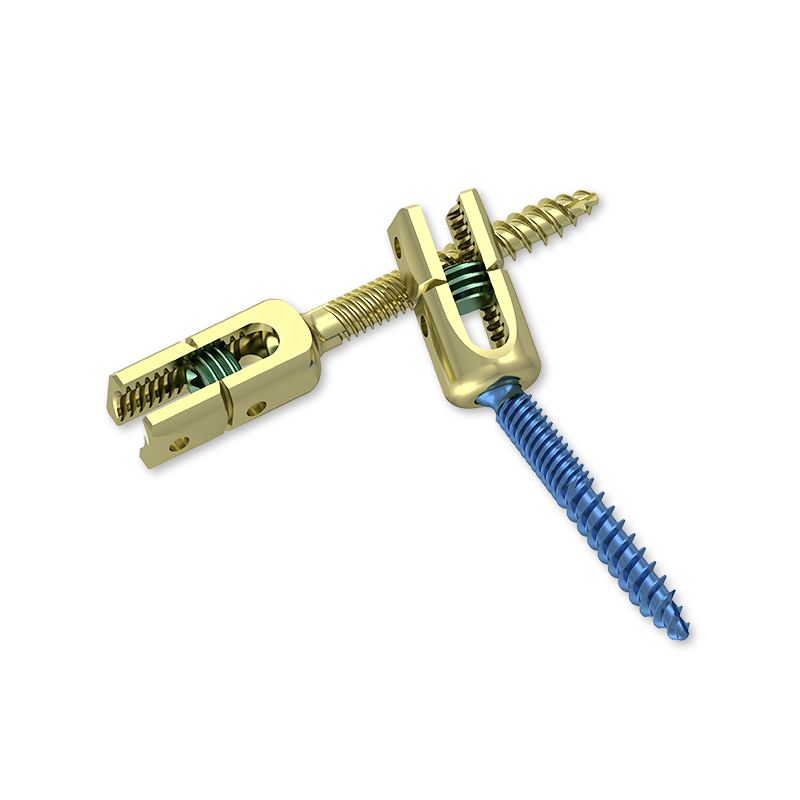
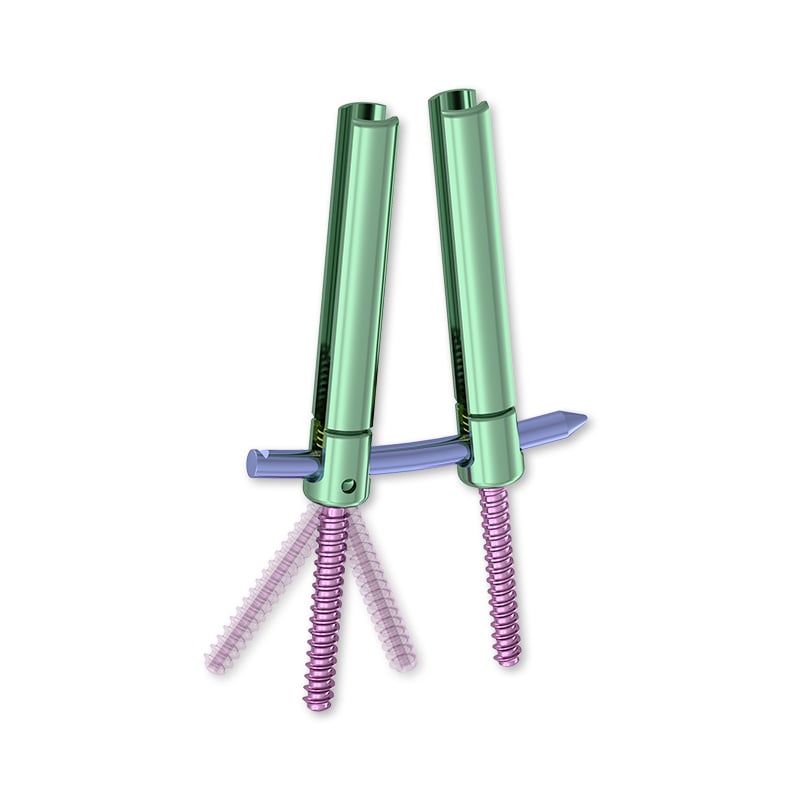
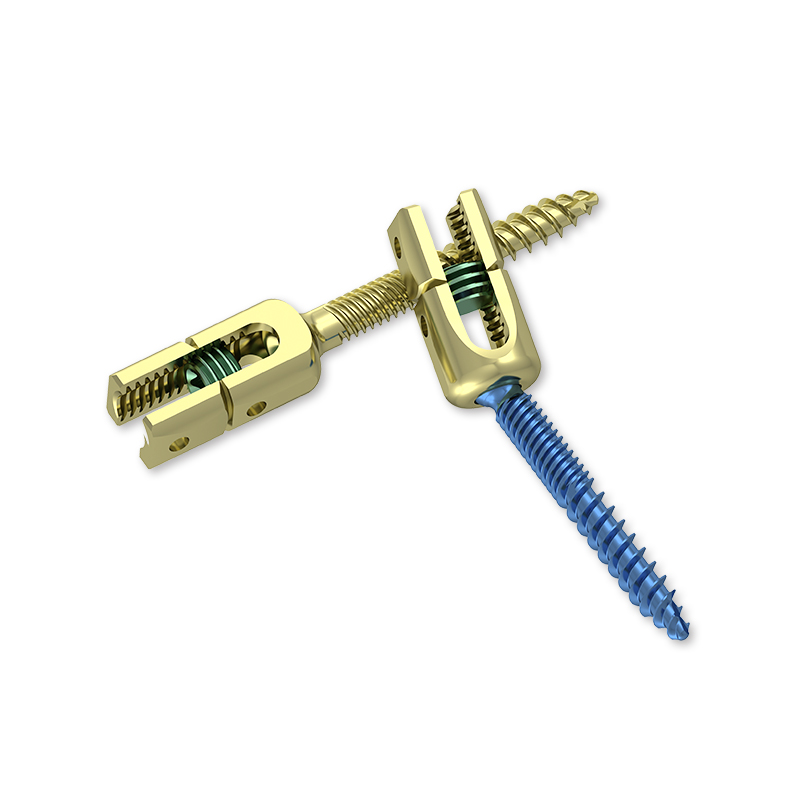
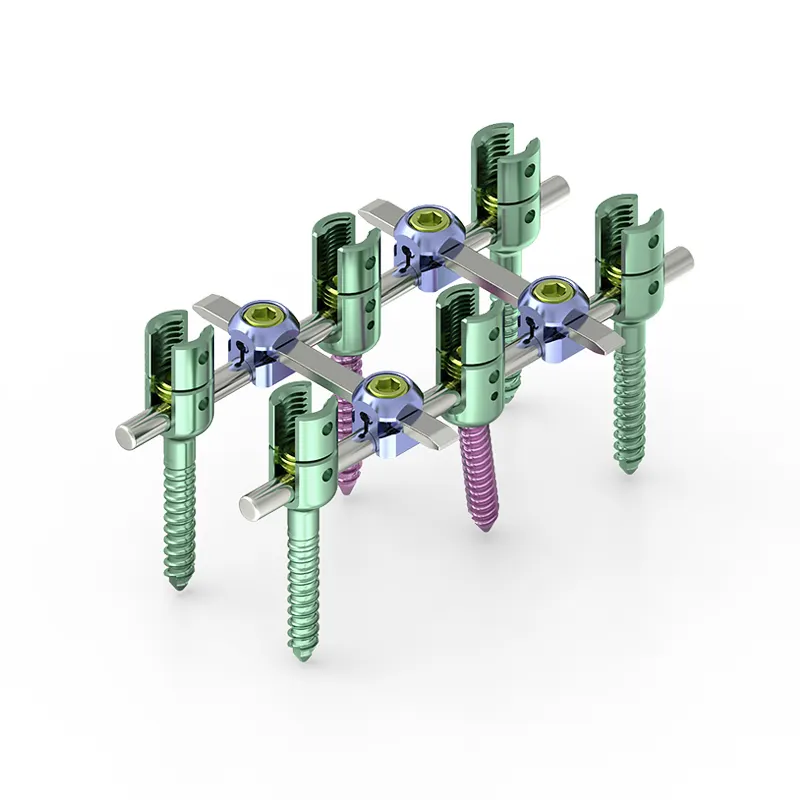
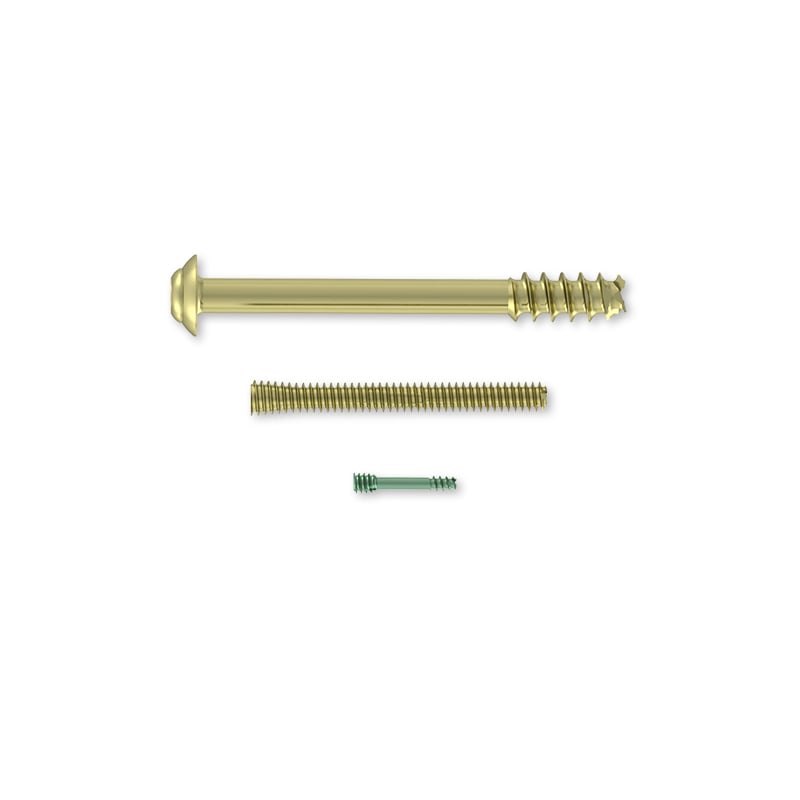
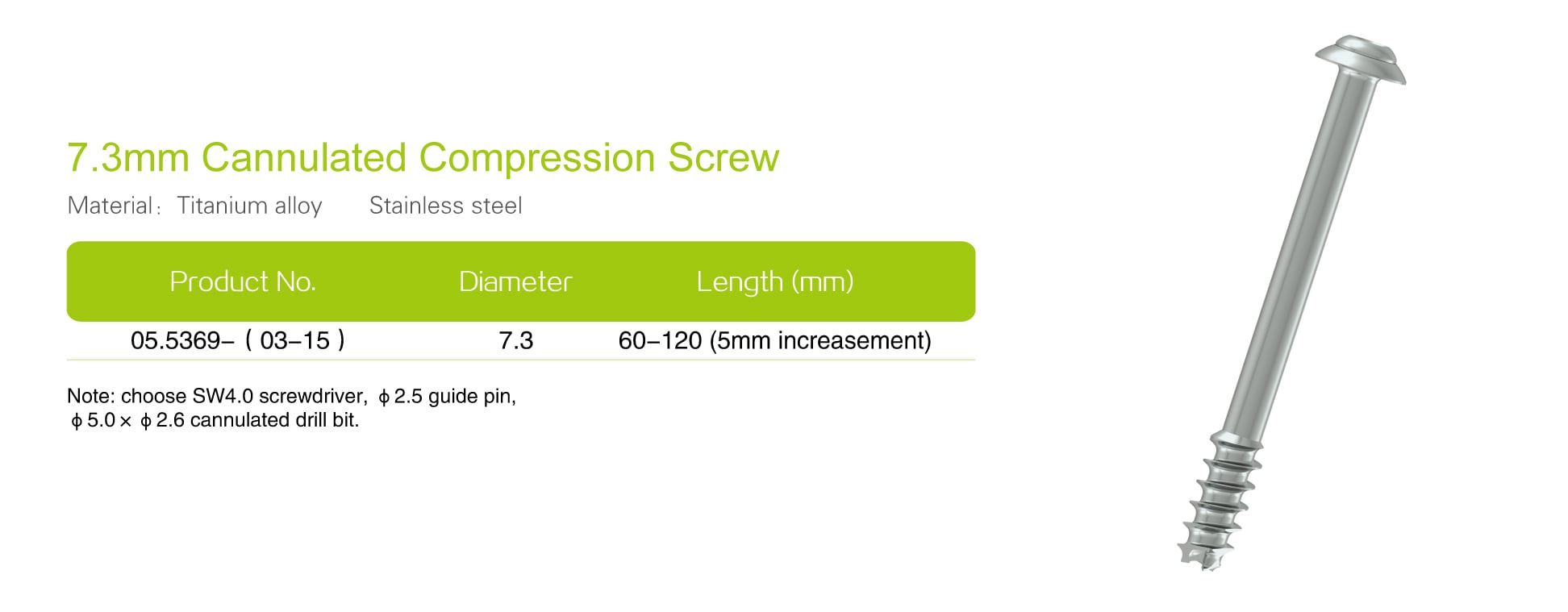
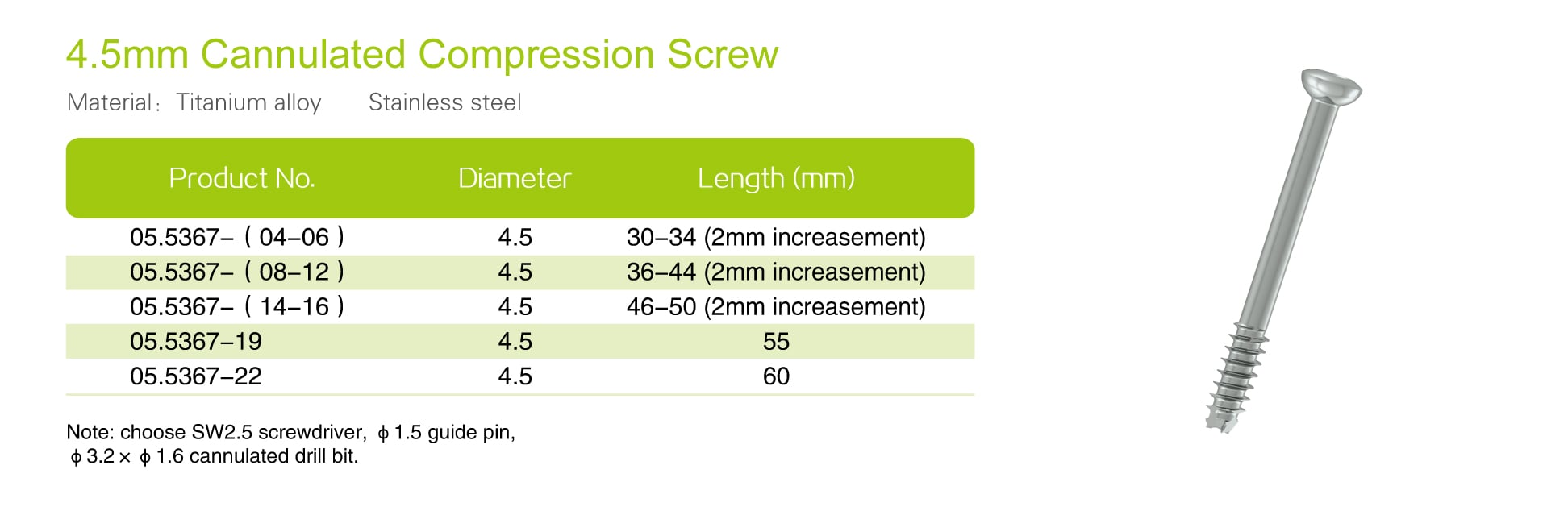
Cannulated screws are specialized orthopedic fasteners featuring a hollow center channel that allows surgeons to insert them over guide wires during surgical procedures. Understanding when to use cannulated screws is essential for optimal patient outcomes in fracture fixation and bone reconstruction. These screws are primarily indicated for fractures requiring precise placement, such as femoral neck fractures, scaphoid fractures, tibial plateau fractures, and acetabular injuries. The hollow design enables surgeons to achieve accurate positioning under fluoroscopic guidance, reducing surgical risk and improving alignment. When to use cannulated screws depends on factors including fracture pattern, bone quality, anatomical location, and the need for minimally invasive techniques. They excel in situations where temporary stabilization with Kirschner wires precedes definitive fixation, allowing the guide wire to remain in place while the screw is inserted over it. The technological features include graduated sizing options, self-tapping or self-drilling capabilities, and compatibility with various head designs such as fully threaded or partially threaded configurations. Cannulated screws find applications across multiple surgical specialties including trauma surgery, sports medicine, pediatric orthopedics, and reconstructive procedures. The decision regarding when to use cannulated screws versus solid screws involves evaluating the surgical approach, desired precision level, and specific biomechanical requirements of each case. Their versatility makes them indispensable tools in modern orthopedic surgery.

 EN
EN