spinal screw
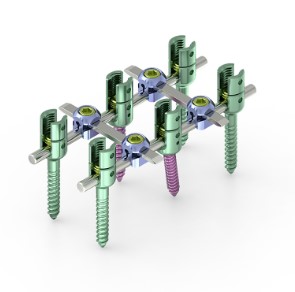
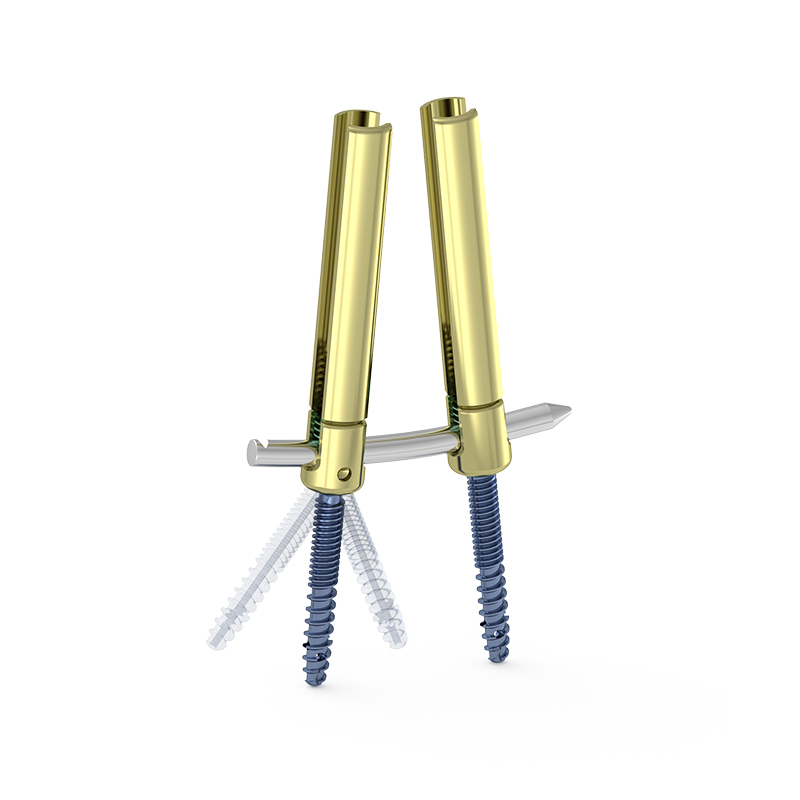
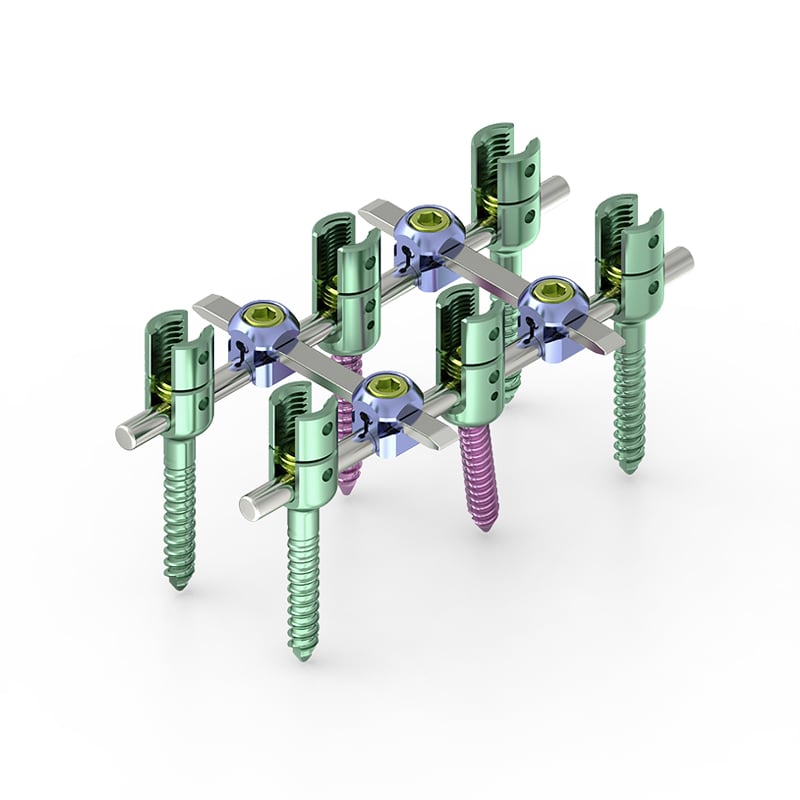
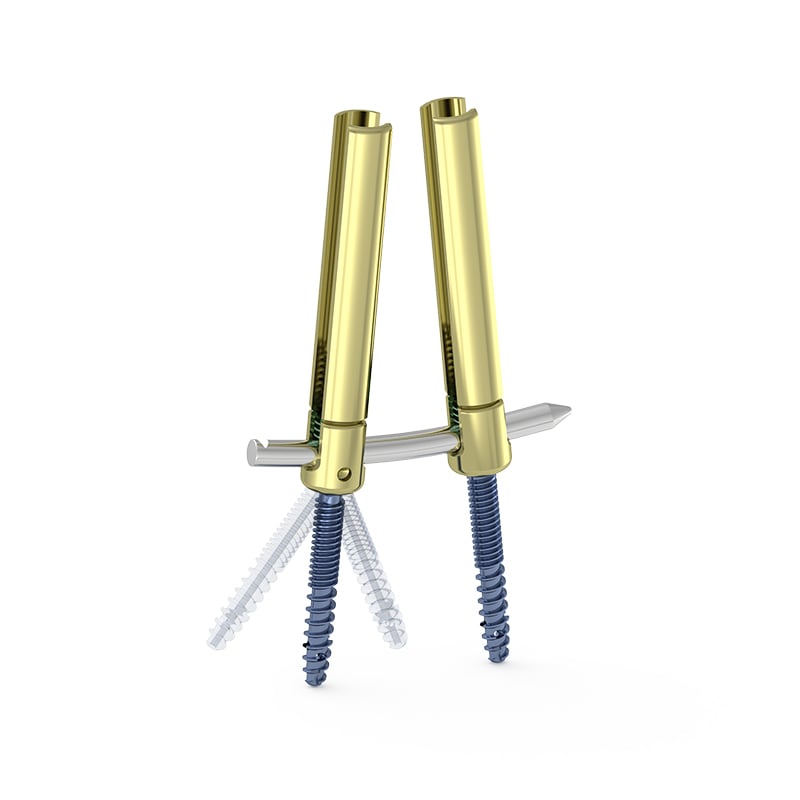
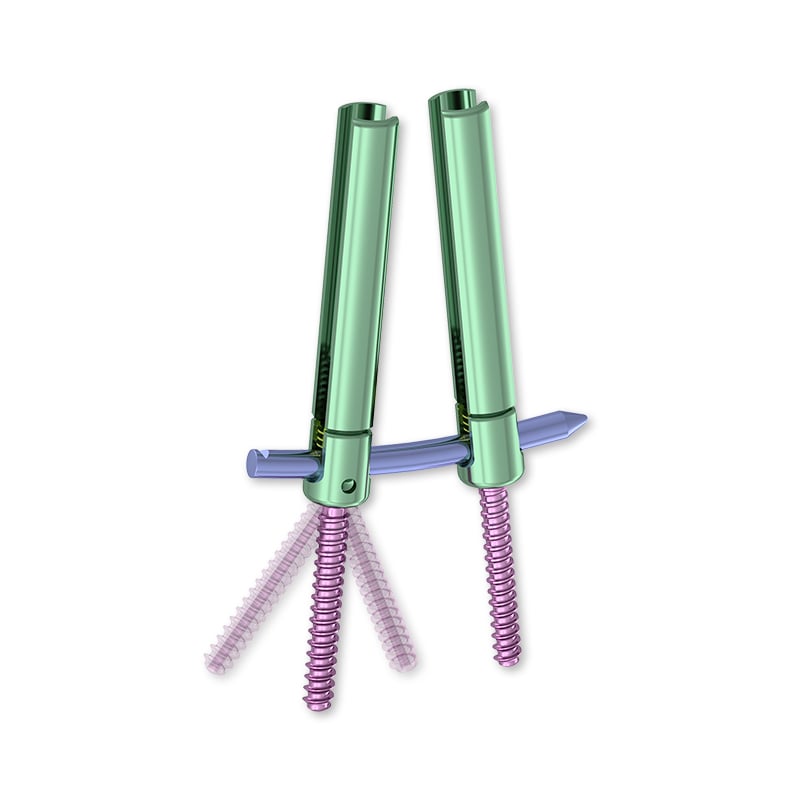
A spinal screw is a specialized orthopedic implant designed to stabilize and support the vertebral column during spinal fusion and corrective procedures. This medical device plays a critical role in treating spinal disorders, injuries, and degenerative conditions by providing secure fixation between vertebrae. The spinal screw works in conjunction with rods, plates, and other spinal instrumentation to create a stable construct that promotes proper bone healing and spinal alignment. Manufactured from biocompatible materials such as titanium alloy or stainless steel, the spinal screw ensures both strength and compatibility with human tissue. Modern spinal screw designs incorporate advanced thread patterns, self-tapping capabilities, and polyaxial heads that allow surgeons to achieve optimal positioning during implantation. These screws are inserted into the pedicles, vertebral bodies, or lateral masses depending on the surgical approach and anatomical requirements. The spinal screw has become an indispensable component in treating conditions including scoliosis, spinal stenosis, vertebral fractures, tumors, and degenerative disc disease. Technological innovations have introduced cannulated designs that facilitate minimally invasive surgical techniques, reducing tissue trauma and recovery time. The versatility of the spinal screw extends across cervical, thoracic, and lumbar spine regions, with size variations and design modifications tailored to each anatomical location. Surgeons rely on precise imaging guidance and instrumentation to ensure accurate placement, maximizing fixation strength while minimizing risk to surrounding neural and vascular structures. The continued evolution of spinal screw technology reflects ongoing efforts to improve surgical outcomes, reduce complications, and enhance patient quality of life following spinal procedures.

 EN
EN