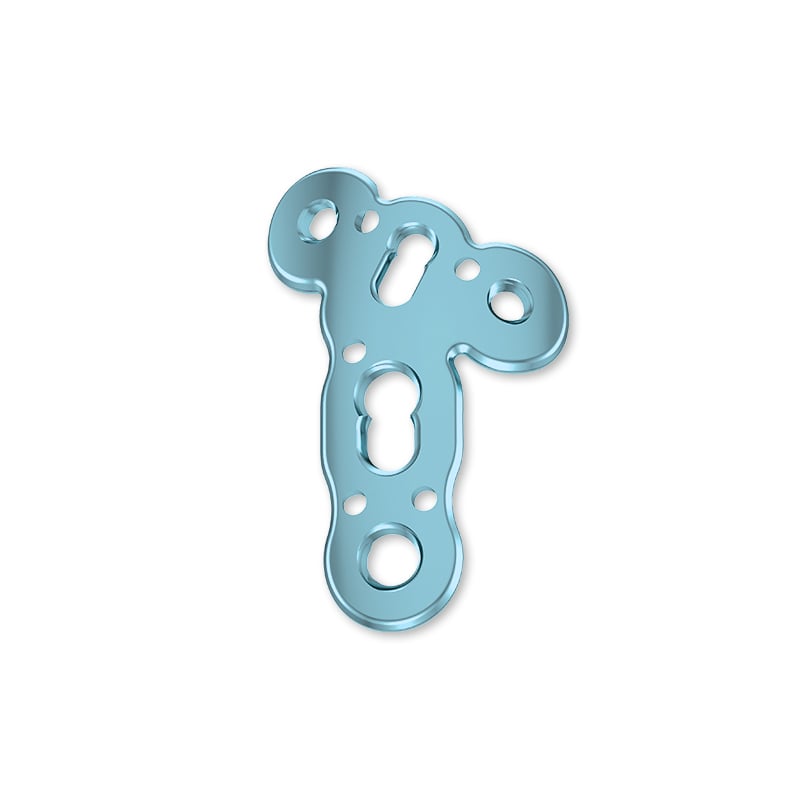
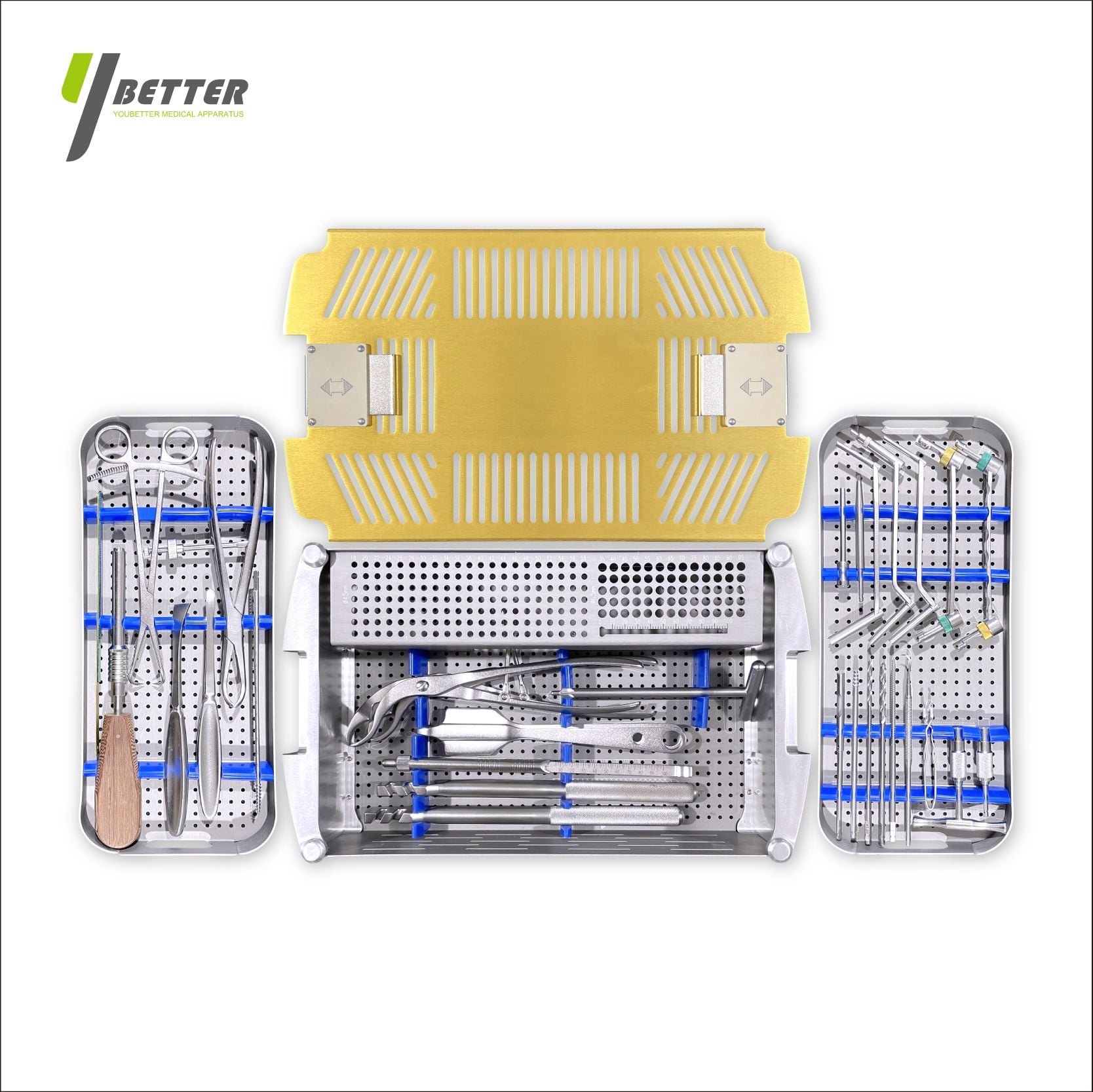
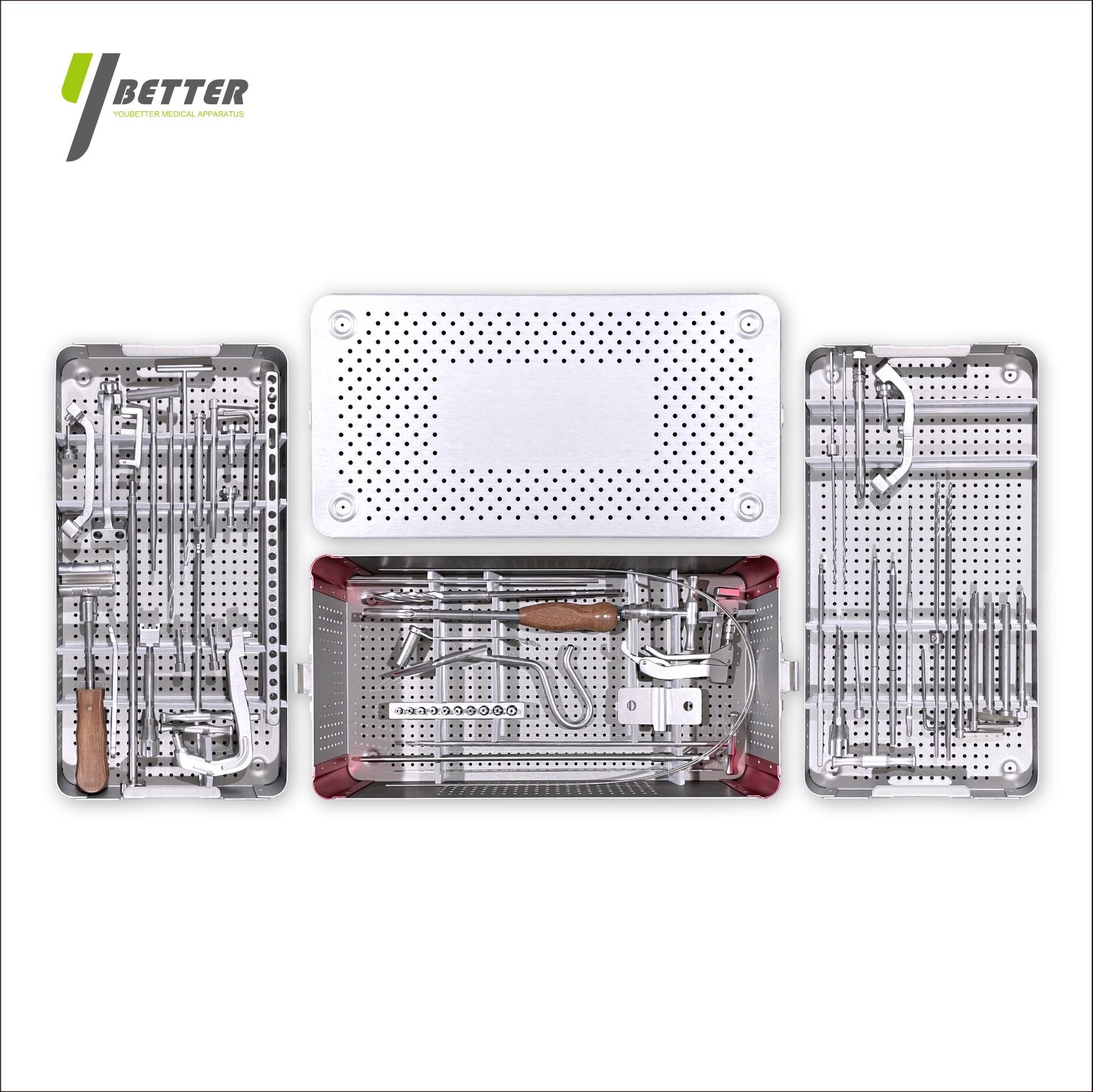
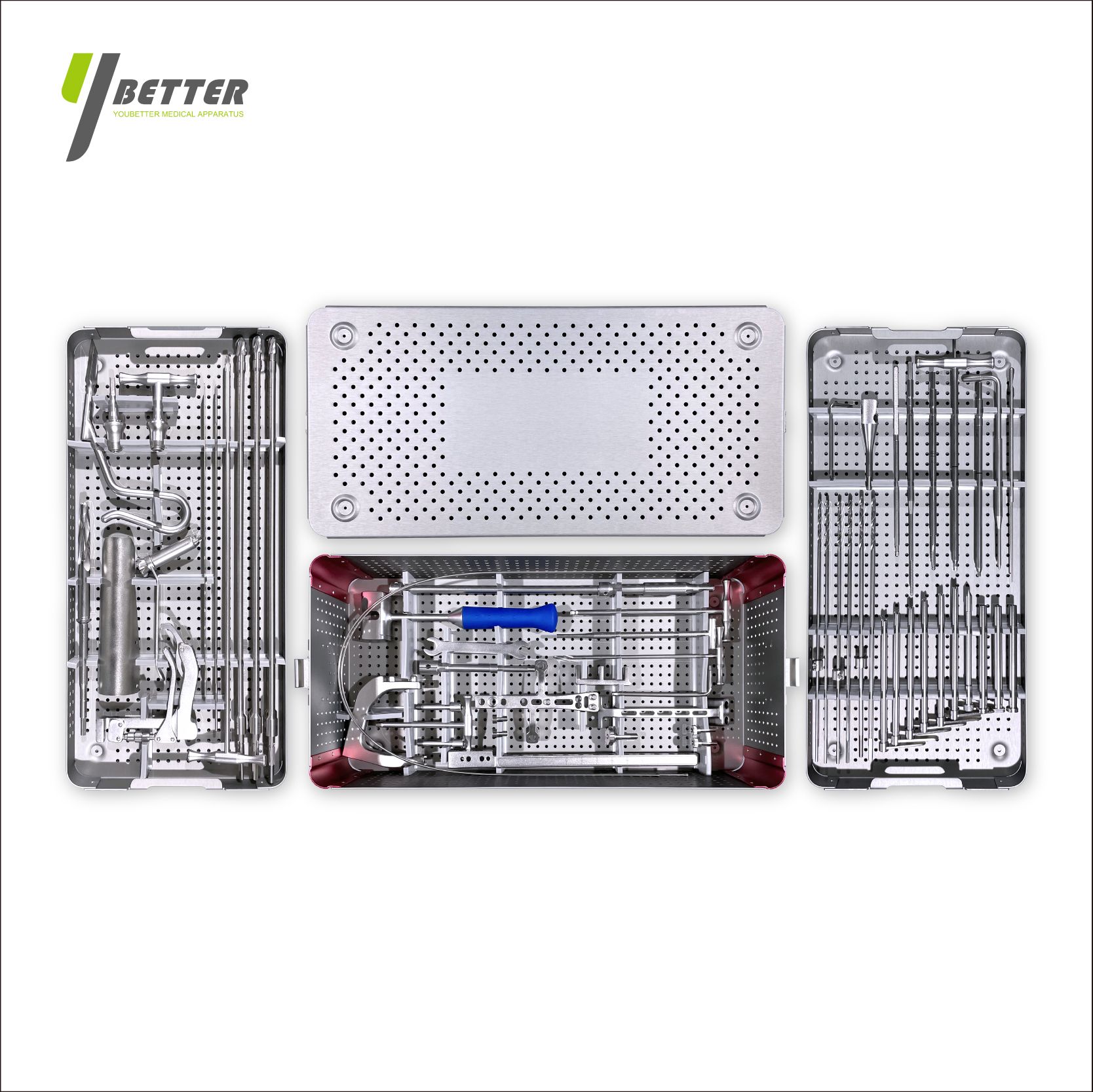
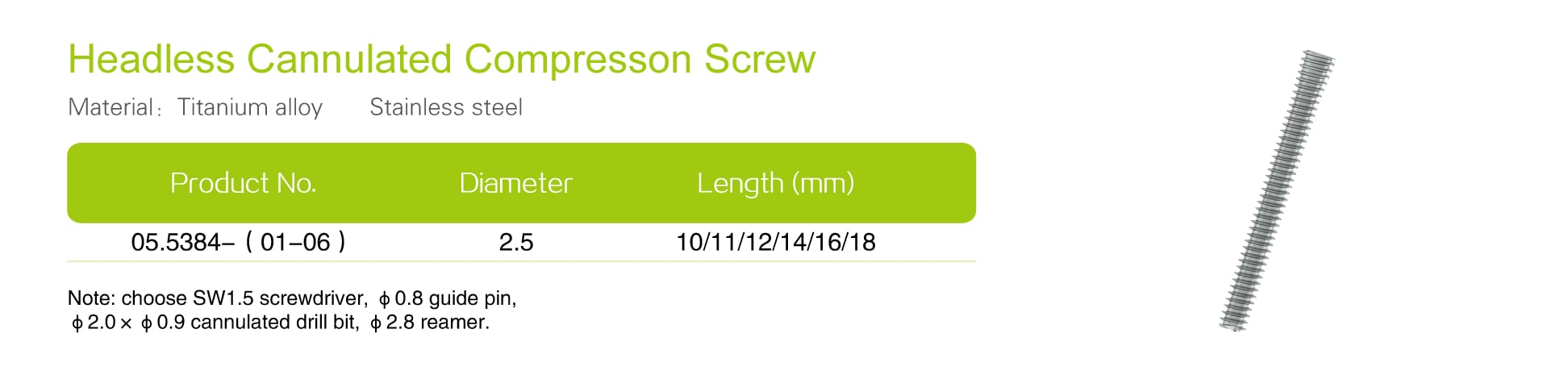
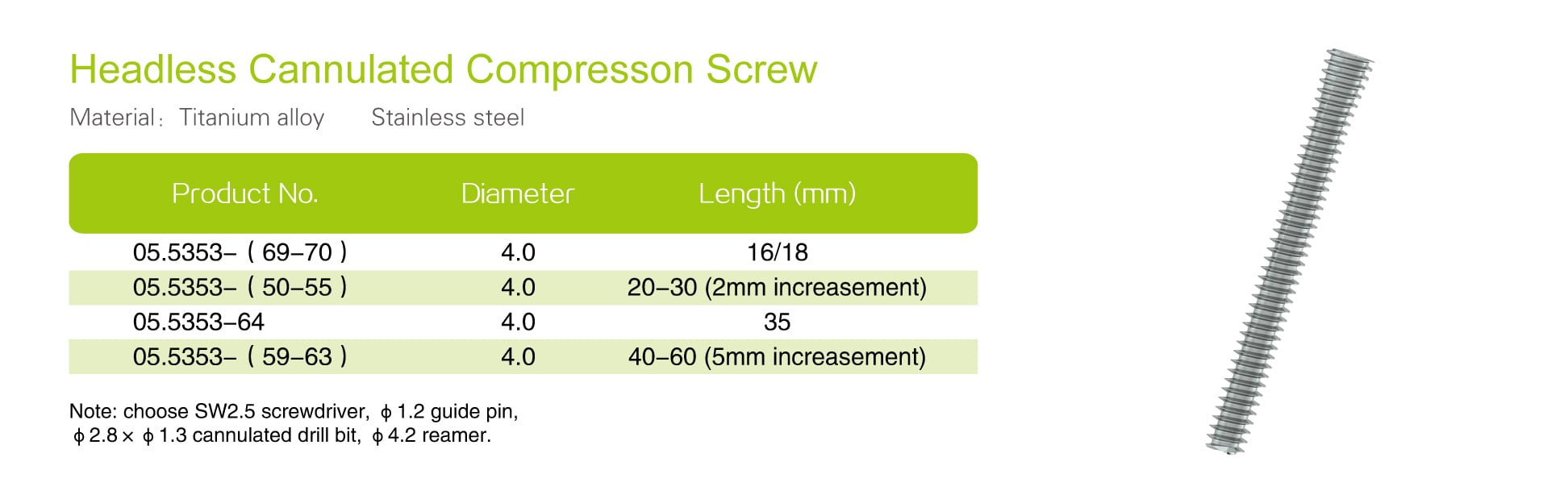
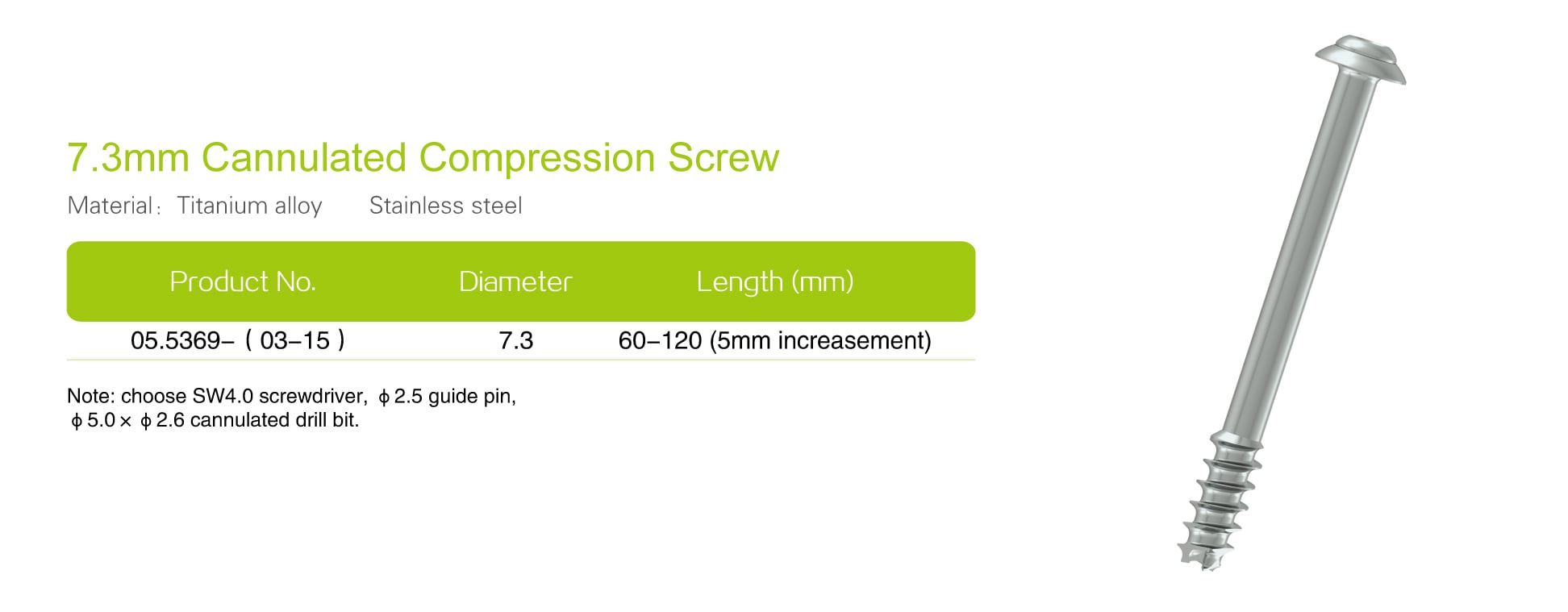
Surgical Cannulated Screw Implant Solutions

All Categories

Get a Free Quote

Our representative will contact you soon.
Email
Name
Company Name
Message
0/1000

surgical cannulated screw implant

The surgical cannulated screw implant is a specialized orthopedic fixation device designed to stabilize bone fractures and facilitate optimal healing. This innovative implant features a hollow core that allows guidewire insertion, enabling precise placement during surgical procedures. The surgical cannulated screw implant is manufactured from medical-grade materials such as titanium alloy or stainless steel, ensuring biocompatibility and long-term durability within the human body. The device functions by compressing bone fragments together, promoting natural consolidation and reducing healing time. Its threaded design provides exceptional grip within bone tissue, while the cannulated structure permits minimally invasive surgical techniques. Surgeons utilize the surgical cannulated screw implant across various anatomical locations, including hip fractures, ankle injuries, foot reconstruction, and hand surgery applications. The technological features include self-tapping threads that simplify insertion, variable pitch designs for enhanced compression, and low-profile heads that minimize soft tissue irritation. The surgical cannulated screw implant represents a fundamental advancement in fracture fixation, offering superior control compared to solid screw alternatives. Medical professionals appreciate the ability to verify screw trajectory before final insertion, reducing the risk of misplacement. The implant accommodates different bone densities and fracture patterns, making it versatile for pediatric, adult, and geriatric patient populations. Whether addressing traumatic injuries or performing elective reconstructive procedures, the surgical cannulated screw implant delivers reliable performance that supports patient recovery and restoration of function.

New Product Releases

The surgical cannulated screw implant offers substantial practical benefits that directly impact surgical outcomes and patient satisfaction. The primary advantage lies in its guidewire-directed placement system, which allows surgeons to achieve precise positioning before committing to final implantation. This feature significantly reduces surgical time and minimizes tissue trauma, leading to faster patient recovery and reduced hospitalization costs. The hollow core design of the surgical cannulated screw implant enables fluoroscopic verification throughout the insertion process, ensuring optimal screw trajectory and preventing potential complications. Buyers value the versatility of these implants, as they accommodate various surgical approaches and bone types without requiring extensive inventory. The compression capability of the surgical cannulated screw implant actively draws bone fragments together, creating ideal conditions for biological healing and reducing the likelihood of nonunion. Operationally, these implants simplify surgical workflows by eliminating the need for pre-drilling in many applications, thanks to their self-tapping thread design. Healthcare facilities benefit from reduced instrument requirements and shorter operating room times, translating to improved efficiency and cost savings. The surgical cannulated screw implant suits emergency trauma cases and planned reconstructive procedures equally well, providing consistent performance across diverse clinical scenarios. Patients experience less postoperative pain due to the minimally invasive nature of cannulated screw insertion techniques. The low-profile head design reduces soft tissue irritation and rarely requires subsequent removal surgery. The biocompatible materials ensure excellent tissue integration while maintaining the mechanical strength necessary for weight-bearing applications. These combined advantages make the surgical cannulated screw implant a superior choice for orthopedic fixation, delivering measurable improvements in surgical precision, patient outcomes, and overall healthcare value.

Tips And Tricks

What Are the Differences Between Monoaxial and Polyaxial Pedicle Screw?

02

Jun

What Are the Differences Between Monoaxial and Polyaxial Pedicle Screw?

In spinal surgery, choosing the right implant can directly influence surgical outcomes, patient recovery, and long-term construct stability. Among the most critical decisions a spine surgeon faces is selecting the appropriate type of pedicle screw fo...
View More
Why Is Pedicle Screw Accuracy Critical in Minimally Invasive Spine Surgery?

02

Jun

Why Is Pedicle Screw Accuracy Critical in Minimally Invasive Spine Surgery?

In the evolving landscape of spinal surgery, precision is not merely a technical preference — it is a clinical imperative. The pedicle screw has become the cornerstone of modern spinal fixation systems, offering surgeons a reliable anchor point...
View More
What Are the Differences Between Spinal Screw and Pedicle Screw Systems?

06

Jul

What Are the Differences Between Spinal Screw and Pedicle Screw Systems?

When evaluating spinal implant instrumentation, one of the most common points of confusion is the distinction between a general spinal screw and a pedicle screw system. Both are used in spinal surgery, but they differ significantly in anatomy, biomec...
View More
How Does Spinal Screw Design Enhance Mechanical Strength and Fixation?

06

Jul

How Does Spinal Screw Design Enhance Mechanical Strength and Fixation?

In modern spinal surgery, the pedicle screw is one of the most critical implants used to stabilize the vertebral column. Whether the procedure involves deformity correction, fracture management, or spinal fusion, the pedicle screw serves as the prima...
View More

Get a Free Quote

Our representative will contact you soon.
Email
Name
Company Name
Message
0/1000

surgical cannulated screw implant

Precision Guidewire Technology for Optimal Placement

Precision Guidewire Technology for Optimal Placement

The surgical cannulated screw implant incorporates advanced guidewire technology that revolutionizes fracture fixation accuracy. The hollow central channel accepts standard guidewires, allowing surgeons to establish the ideal trajectory before screw insertion begins. This feature proves invaluable when working in anatomically complex regions where precise positioning determines surgical success. Surgeons can adjust guidewire placement using real-time imaging until achieving perfect alignment, then advance the surgical cannulated screw implant over the wire with confidence. This method dramatically reduces the risk of screw malposition, which can compromise fixation strength or damage surrounding structures. The guidewire remains in place throughout insertion, providing continuous directional control and preventing trajectory deviation. For small bone fractures requiring multiple screws, the surgical cannulated screw implant system enables parallel placement with consistent spacing. The technology particularly benefits percutaneous procedures where direct visualization is limited, allowing minimally invasive approaches that preserve soft tissue integrity. This precision advantage translates to better fracture reduction, improved biomechanical stability, and enhanced healing outcomes for patients across all orthopedic applications.
Compression Mechanics for Enhanced Bone Healing

Compression Mechanics for Enhanced Bone Healing

The surgical cannulated screw implant delivers exceptional compression force that actively promotes bone consolidation and accelerates healing timelines. The specialized thread design generates interfragmentary compression as the screw advances, drawing separated bone fragments into direct contact. This mechanical compression eliminates gaps at the fracture site, creating optimal conditions for biological healing processes to occur. The surgical cannulated screw implant maintains this compression force throughout the healing period, preventing micromotion that could disrupt callus formation. Unlike passive fixation methods, the active compression provided by these implants stimulates osteogenesis and enhances vascular ingrowth at the fracture interface. Surgeons can control compression magnitude by adjusting insertion depth and torque application, customizing fixation to specific fracture patterns and bone quality. The variable pitch thread options available in surgical cannulated screw implant systems allow for differential compression across the screw length, addressing complex fracture geometries. This compression capability proves particularly valuable in metaphyseal regions where cancellous bone requires enhanced stability. Patients benefit from reduced healing times, lower nonunion rates, and faster return to functional activities, making compression mechanics a defining advantage of the surgical cannulated screw implant technology.
Versatile Application Across Multiple Anatomical Sites

Versatile Application Across Multiple Anatomical Sites

The surgical cannulated screw implant demonstrates remarkable versatility, adapting seamlessly to diverse anatomical locations and fracture types throughout the skeletal system. Orthopedic surgeons employ these implants for femoral neck fractures, where precise placement along the femoral neck axis proves critical for successful outcomes. The surgical cannulated screw implant equally excels in foot and ankle surgery, addressing calcaneal fractures, ankle arthrodesis, and metatarsal osteotomies with reliable fixation. Hand surgeons utilize smaller diameter versions for scaphoid fractures and phalangeal injuries where limited working space demands compact instrumentation. The implant accommodates both cancellous and cortical bone environments, maintaining purchase across varying bone densities encountered in different anatomical regions. Pediatric applications benefit from the surgical cannulated screw implant's availability in multiple diameters and lengths, providing appropriate fixation for growing bones without excessive hardware bulk. Revision surgery scenarios where bone quality is compromised particularly benefit from the superior thread engagement these implants provide. The surgical cannulated screw implant supports both lag screw and position screw techniques, giving surgeons tactical flexibility based on specific fracture mechanics and patient factors, ensuring optimal fixation regardless of clinical presentation.

Get a Free Quote

Our representative will contact you soon.
Email
Name
Company Name
Message
0/1000
Newsletter
Please Leave A Message With Us